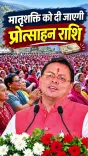
CM Sukhu accuses BJP of 'selling' Himachal via custom packages
Synopsis
Himachal Pradesh CM Sukhvinder Singh Sukhu alleged on 21 November 2026 that the previous BJP government 'sold' the state under the guise of customised investment packages, escalating a long-running Congress-BJP battle over industrial policy in the hill state.
Key Takeaways
CM Sukhu accused the former BJP government (2017-2022) of selling Himachal Pradesh's interests through customised investment packages.
The charge targets a specific instrument — tailored industrial concession deals — used to attract investors to the hill state's difficult terrain.
Himachal Pradesh has a narrow economic base built on tourism, hydropower, and horticulture, making industrial incentive terms a perennial political flashpoint.
Sukhu's Congress government has been in office since December 2022 and has consistently contrasted its governance with the BJP era.
The specific package or deal referenced has not been publicly identified, keeping the accusation in the political rather than documented-evidence domain.
Former BJP state leaders and the upcoming Himachal assembly session are expected to be the next arena for this dispute.
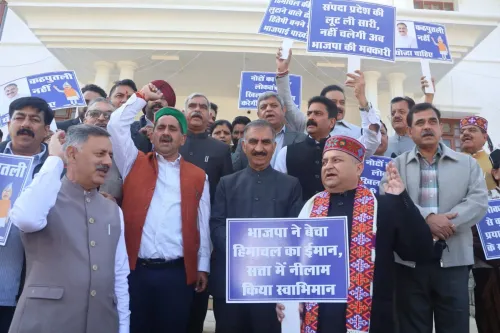
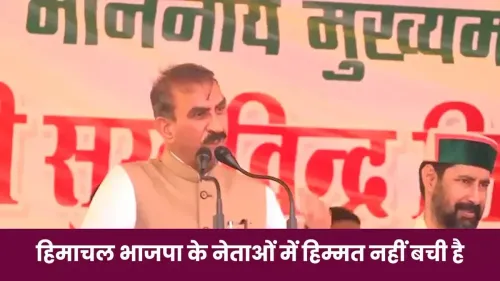
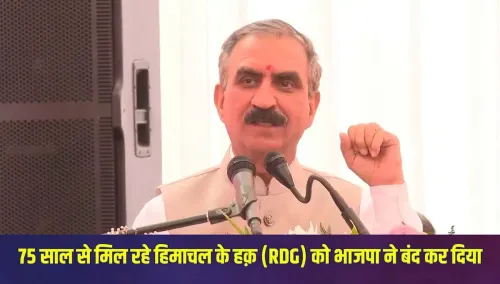
A sharp political broadside landed in Himachal Pradesh on Saturday, 21 November 2026, as Chief Minister Sukhvinder Singh Sukhu accused the previous Bharatiya Janata Party government of having effectively 'sold' the hill state under the cover of so-called customised investment packages — a charge that cuts straight to one of the most contested fault lines in Himachal's economic governance.
Posting on X, Sukhu wrote: 'कस्टमाइज़ पैकेज के नाम पर पूर्व भाजपा सरकार ने हिमाचल को बेचने का काम किया था।' — 'In the name of customised packages, the former BJP government did the work of selling Himachal.' The accusation is brief but deliberate, framing industrial incentive policy not as development but as a surrender of the state's interests.
What 'customised packages' means in Himachal's industrial context
Himachal Pradesh has historically attracted industry through tailored concession packages — combinations of land allotment terms, power tariff rebates, and tax exemptions — aimed at compensating investors for the state's difficult terrain and logistical costs. Such packages were actively used during the BJP government's tenure from 2017 to 2022. Because hill-state economies have a narrow industrial base built primarily around tourism, hydropower, and horticulture, the terms of these packages have always attracted political scrutiny.
Sukhu's Congress government, in office since December 2022, has consistently sought to draw a contrast with its predecessor on the question of resource management. This latest post follows that established pattern: each change of guard in Shimla tends to produce allegations that the outgoing side had favoured private interests over public ones when negotiating with industry.
A political pattern as old as Himachal's alternating governments
The Congress-BJP alternation in Himachal Pradesh — the state has rarely returned an incumbent government in modern electoral history — means these accusations flow in both directions across election cycles. When the BJP was in opposition during the previous Congress term, it made similar claims about sweetheart deals. The specific 'customised package' Sukhu alludes to has not been officially identified in public records, which means the charge, for now, is a political framing rather than a documented allegation with a named deal or company attached to it.
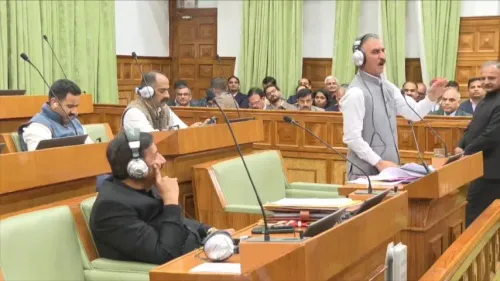
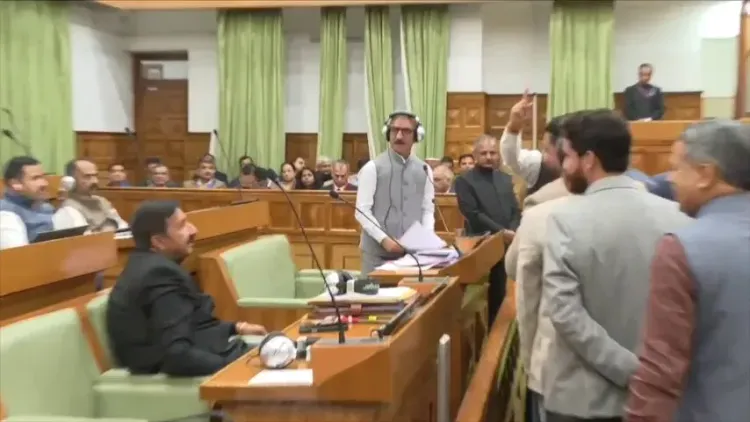
What gives the statement added weight is timing: the Himachal assembly session is a natural forum where such accusations crystallise into formal demands for accountability — and former BJP state leaders are now expected to respond. Any new industrial policy announcement from the Sukhu government in the coming weeks will likely be positioned, explicitly or implicitly, as a corrective to the era he is criticising.
Himachal's residents — the ultimate stakeholders in how the state's limited land and power resources are allocated — will be watching whether this charge moves beyond rhetoric into a concrete policy or inquiry. A slogan is a beginning. The assembly floor is where it either lands or dissolves.
Point of View
The opacity of bespoke industrial concessions has long enabled both governments and oppositions to construct damaging narratives. Unless Sukhu's government follows through with a formal inquiry, named deals, or a transparently structured replacement policy, the charge risks becoming ritual combat rather than accountability. The real test is whether Himachal's next industrial policy announcement actually closes the opacity gaps the CM is now highlighting.
NationPress
21 Nov 2026
Frequently Asked Questions
What did CM Sukhu say about the BJP's customised packages in Himachal Pradesh?
CM Sukhu stated that the former BJP government 'sold' Himachal Pradesh under the guise of customised investment packages, alleging that these deals favoured private interests over the state's.
What are customised investment packages in Himachal Pradesh?
They are tailored concession arrangements — covering land allotment, power tariff rebates, and tax exemptions — offered to industries to offset the costs of operating in Himachal's challenging hilly terrain.
When was the BJP in power in Himachal Pradesh that Sukhu is referring to?
The BJP governed Himachal Pradesh from 2017 to 2022 , when it was replaced by the Congress government led by Sukhvinder Singh Sukhu in December 2022.
Has Sukhu named a specific deal or company in his accusation?
No. The post does not identify a specific customised package, company, or transaction, keeping the charge at the level of a political allegation rather than a documented case.
What is likely to happen next after Sukhu's accusation?
Former BJP state leaders are expected to respond, and the Himachal Pradesh assembly session is the most likely forum where the charge will either be substantiated with specifics or contested by the opposition.