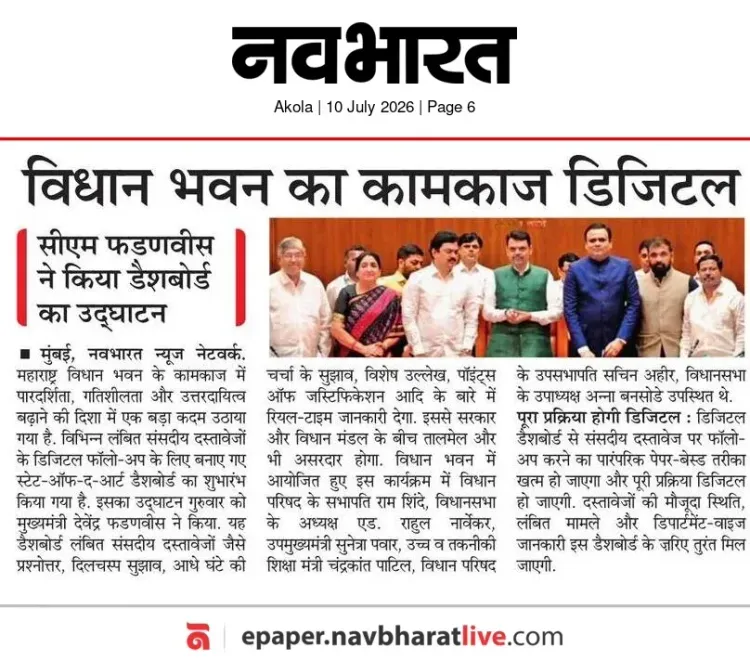
CM Fadnavis Launches Digital Dashboard for Vidhan Bhavan
Synopsis
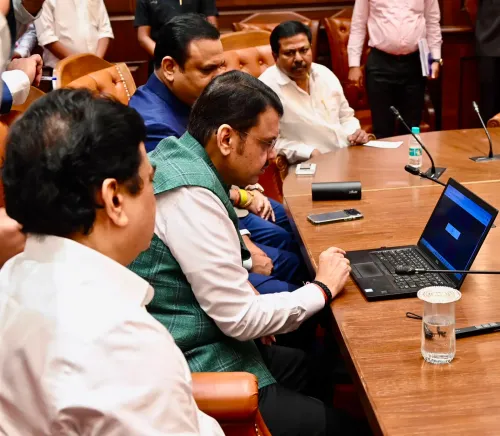
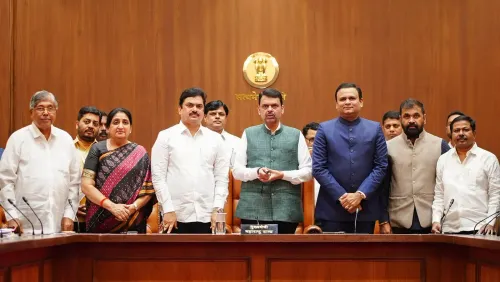
Chief Minister Devendra Fadnavis inaugurated a digital dashboard for Maharashtra Vidhan Bhavan on 10 July 2026, bringing the state legislature's operations onto a digital platform as part of the government's ongoing e-governance push under the Digital India framework.
Key Takeaways
CM Devendra Fadnavis inaugurated a digital dashboard for Maharashtra Vidhan Bhavan on 10 July 2026 .
The initiative aims to digitise the day-to-day legislative functioning of Maharashtra's state assembly .
The move builds on e-governance reforms initiated during Fadnavis's first term (2014–2019) , including paperless offices and online grievance systems.
Primary stakeholders include MLAs , the Vidhan Bhavan secretariat , and citizens seeking greater legislative transparency.
The rollout aligns with India's Digital India programme and a broader national trend of digitising state legislatures.
Training for legislators and staff, and potential integration with central parliamentary platforms, remain key next steps to watch.
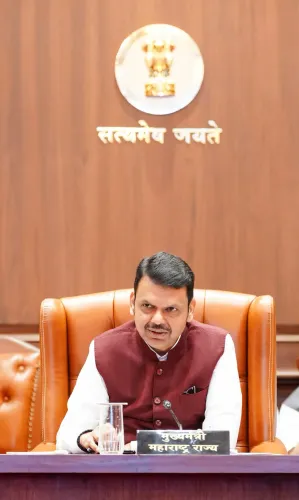
The Chief Minister's Office of Maharashtra announced on Friday, 10 July 2026 that Chief Minister Devendra Fadnavis has inaugurated a digital dashboard for Maharashtra Vidhan Bhavan, marking a significant step in the state's push to modernise its legislative operations through technology.
Context
The post, shared by the official Chief Minister's Office of Maharashtra account, states: 'Vidhan Bhavan ka kaamkaaj digital — Mukhyamantri Devendra Fadnavis inhone kiya dashboard ka udghatan' ('The work of Vidhan Bhavan goes digital — Chief Minister Devendra Fadnavis inaugurated the dashboard'). The announcement signals a formal integration of digital monitoring tools into the day-to-day functioning of Maharashtra's state legislature.
Devendra Fadnavis, a senior BJP leader, has consistently championed e-governance initiatives across his tenures as Chief Minister. The inauguration of a dedicated legislative dashboard reflects an extension of that administrative philosophy into the legislature itself.
Policy Backdrop
This initiative draws on a longer lineage of digital reform in Maharashtra. During Fadnavis's first term (2014–2019), the state rolled out several e-governance platforms, including online grievance redressal systems and paperless office pilots. These efforts were broadly aligned with India's Digital India programme, launched in 2015, which encouraged states to digitise legislative and administrative functions.
Across India, state legislatures have progressively adopted digital dashboards and monitoring systems since the mid-2010s to track attendance, pending bills, and question-hour proceedings. Maharashtra's latest initiative continues this national trend, with the Vidhan Bhavan secretariat now positioned to leverage real-time data for greater transparency and efficiency.
Stakeholders and Impact
The primary beneficiaries of the dashboard are Members of the Legislative Assembly (MLAs), the Vidhan Bhavan secretariat staff, and, indirectly, citizens who stand to gain from more accountable legislative processes. A centralised digital interface could streamline tracking of legislative business, reducing dependence on paper-based records and manual coordination.
For the Government of Maharashtra, the move also carries a political dimension: demonstrating governance efficiency and modernisation ahead of future legislative sessions reinforces the administration's broader reform credentials.
What's Next
Attention will now turn to the rollout timeline, the scope of training provided to MLAs and assembly staff, and whether the platform will be integrated with central parliamentary digital initiatives. The effectiveness of the dashboard will ultimately be assessed over coming assembly sessions as legislators and secretariat personnel adapt to the new system.
If implemented comprehensively, the initiative could serve as a model for other state legislatures looking to modernise their internal operations under the broader Digital India framework.
Point of View
A brand identity he has cultivated since his first term. By extending digitisation into the legislature itself — rather than limiting it to the executive — the move signals an ambition to reshape institutional culture across all branches of state governance. It also fits neatly into a competitive dynamic among BJP-governed states to showcase e-governance milestones, particularly as the national Digital India programme enters a more mature phase. The real test, however, will be adoption: dashboards that go underutilised by legislators or secretariat staff rarely deliver the transparency gains they promise.
NationPress
10 Jul 2026
Frequently Asked Questions
What is the Vidhan Bhavan digital dashboard inaugurated by CM Fadnavis?
The digital dashboard is a technology platform inaugurated by Chief Minister Devendra Fadnavis on 10 July 2026 to digitise the legislative operations of Maharashtra Vidhan Bhavan, the state assembly.
Why did CM Devendra Fadnavis launch a digital dashboard for Vidhan Bhavan?
The launch is part of the Maharashtra government's broader e-governance agenda to modernise legislative processes, improve transparency, and reduce reliance on paper-based systems in the state assembly.
What is Maharashtra's track record on digital governance?
Maharashtra rolled out several e-governance platforms between 2014 and 2019, including online grievance redressal and paperless office initiatives, broadly aligned with India's Digital India programme launched in 2015.
Who benefits from the Vidhan Bhavan digital dashboard?
The primary beneficiaries are MLAs, the Vidhan Bhavan secretariat staff, and citizens, who stand to gain from more transparent and efficient tracking of legislative business.
What are the next steps after the Vidhan Bhavan dashboard launch?
Key next steps include the rollout timeline, training for MLAs and assembly staff, and potential integration with central parliamentary digital platforms, with effectiveness to be assessed over coming assembly sessions.