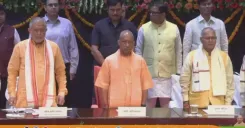
CM Fadnavis Launches Maha AI Model and MahaDBT 2.0 in Maharashtra
Synopsis
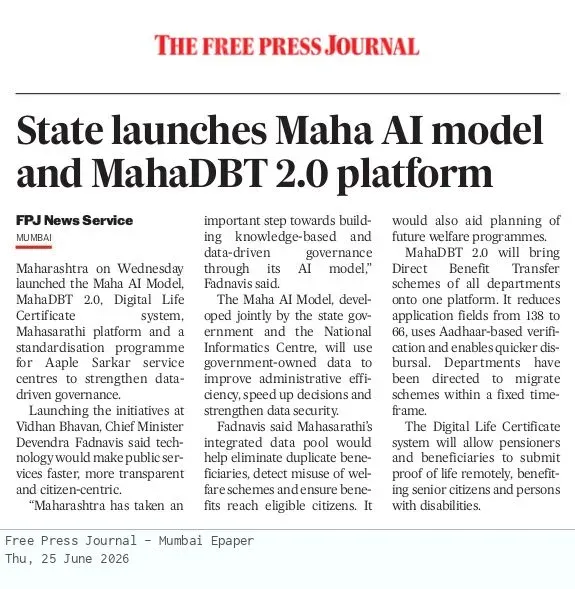
Maharashtra has launched the Maha AI model and MahaDBT 2.0 under Chief Minister Devendra Fadnavis, upgrading the state's Direct Benefit Transfer platform and embedding AI into welfare delivery. The twin initiatives signal Maharashtra's push to modernise governance infrastructure for students, farmers, and welfare recipients.
Key Takeaways
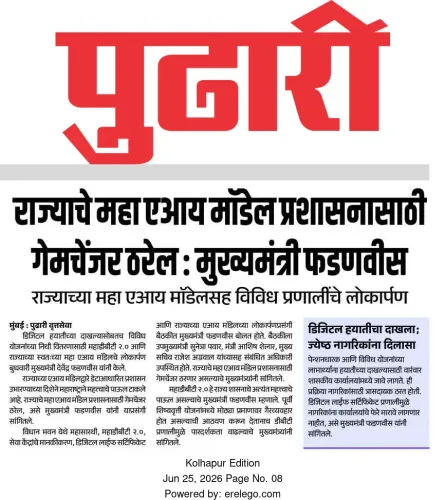
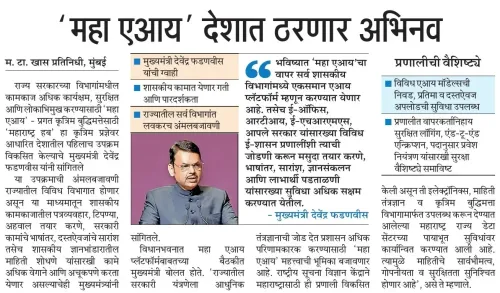
The Chief Minister's Office of Maharashtra announced the launch of the Maha AI model and MahaDBT 2.0 on 25 June 2026 .
MahaDBT 2.0 is an upgraded version of Maharashtra's Direct Benefit Transfer portal, which routes subsidies and scholarships directly to beneficiaries' bank accounts.
The original MahaDBT platform was built on the national DBT mission launched by the Government of India in 2013 .
The Maha AI model is intended to integrate artificial intelligence into state governance and welfare delivery systems.
Key beneficiaries include students, farmers, and low-income welfare recipients across Maharashtra.
Chief Minister Devendra Fadnavis is the political driver of both initiatives, continuing his focus on e-governance and digital infrastructure.
The Chief Minister's Office of Maharashtra announced on Thursday, 25 June 2026 that the state has launched two flagship technology initiatives: the Maha AI model and the MahaDBT 2.0 platform, under the leadership of Chief Minister Devendra Fadnavis.
Context
The official post from the Chief Minister's Office of Maharashtra confirmed the simultaneous rollout of the Maha AI model and an upgraded version of the state's Direct Benefit Transfer portal, MahaDBT 2.0. The announcement positions Maharashtra as one of the more ambitious states in integrating artificial intelligence with welfare delivery infrastructure. Chief Minister Devendra Fadnavis, who has previously championed e-governance reforms during his earlier terms, is the political face of both initiatives.
Policy Backdrop
The original MahaDBT platform was Maharashtra's implementation of the national Direct Benefit Transfer mission, launched by the Government of India in 2013, which aimed to route subsidies, scholarships, and welfare payments directly into beneficiaries' bank accounts, reducing leakages and intermediary fraud. Over the years, the platform has served students, farmers, and welfare recipients across the state, processing applications for dozens of government schemes through a single portal.
The upgrade to MahaDBT 2.0 follows a broader national pattern in which Indian states have progressively modernised legacy DBT infrastructure, incorporating Aadhaar-linked payments, state-level data analytics, and AI-assisted fraud detection. Maharashtra's parallel launch of a dedicated Maha AI model signals intent to embed machine-learning capabilities directly into governance and welfare delivery systems, aligning with the Centre's push for digital public infrastructure.
Stakeholders and Impact
The most direct beneficiaries of MahaDBT 2.0 are the lakhs of students, farmers, and low-income households in Maharashtra who depend on state subsidies and scholarship transfers. An upgraded platform is expected to reduce processing delays, improve targeting accuracy, and cut down on duplicate or fraudulent claims that have historically plagued welfare schemes.
The Maha AI model, if integrated across departments, could augment everything from application screening to anomaly detection in fund disbursement. Government employees and departmental administrators will also be key stakeholders as they adapt workflows to the new AI-assisted infrastructure. The business and technology ecosystem in Mumbai and Pune — Maharashtra's twin tech hubs — stands to benefit from the state's growing appetite for homegrown AI solutions.
What's Next
Attention will now turn to rollout metrics: how quickly MahaDBT 2.0 achieves adoption across the state's welfare schemes, and whether the Maha AI model is extended to additional departments beyond its initial deployment. Integration announcements with Aadhaar-based authentication and the national DBT architecture will be closely watched. The pace and scale of implementation will determine whether Maharashtra's dual launch translates into measurable improvements in welfare delivery or remains a policy statement awaiting execution.
Point of View
However, will be in adoption rates and measurable reductions in leakage, not the announcement itself.
NationPress
25 Jun 2026
Frequently Asked Questions
What is MahaDBT 2.0?
MahaDBT 2.0 is the upgraded version of Maharashtra's Direct Benefit Transfer platform, which processes scholarship, subsidy, and welfare payments for students, farmers, and low-income residents directly into their bank accounts, building on the national DBT mission launched in 2013.
What is the Maha AI model launched by Maharashtra?
The Maha AI model is a state-developed artificial intelligence initiative announced by the Chief Minister's Office of Maharashtra on 25 June 2026. It is intended to support governance and welfare delivery, though specific features are still being detailed by the government.
Who launched MahaDBT 2.0 and the Maha AI model?
Both initiatives were launched under Chief Minister Devendra Fadnavis and announced by the Chief Minister's Office of Maharashtra on 25 June 2026.
How does MahaDBT 2.0 benefit students and farmers in Maharashtra?
MahaDBT 2.0 is expected to reduce delays in scholarship and subsidy disbursements, improve targeting accuracy, and reduce fraudulent or duplicate claims, making welfare transfers faster and more reliable for students, farmers, and other beneficiaries.
How does Maharashtra's Maha AI model fit into India's digital governance push?
Maharashtra's Maha AI model aligns with a national trend of Indian states integrating AI and data analytics into welfare delivery, complementing Central initiatives such as Aadhaar-linked payments and digital public infrastructure frameworks.