CM Fadnavis Launches Six Tech Upgrades for Mumbai Police
Synopsis
Maharashtra CM Devendra Fadnavis launched six technology initiatives for Mumbai Police on 21 November 2026, including a citizen app, Digi ID smart cards, MPIS, Samvaad, Pratyancha fusion centre, and India's first blockchain-based anti-narcotics forensic van, aiming to build a smarter, more transparent policing ecosystem.
Key Takeaways
Six technology projects were launched for the Brihanmumbai Police Commissionerate at Sahyadri Guest House on 21 November 2026 .
The Mumbai Police Citizen App provides a single platform for services, permissions, jurisdiction details, and citizen suggestions.
The Pratyancha Fusion Centre integrates data from multiple sources for enhanced intelligence sharing and threat identification.
The Anti-Narcotics Investigation and Forensic Van is described as the first of its kind in India, using blockchain-based evidence storage.
Tapas Saarathi , an AI-powered investigation system focused on evidence management and conviction rates, was highlighted as an upcoming development.
The initiatives build on the national CCTNS framework established in 2009 to digitise core police functions across India.
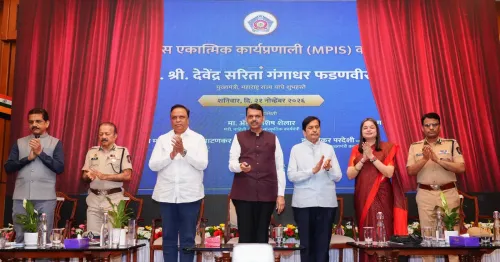
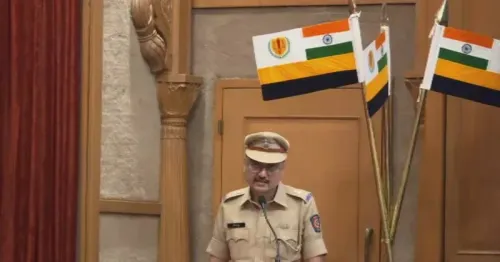
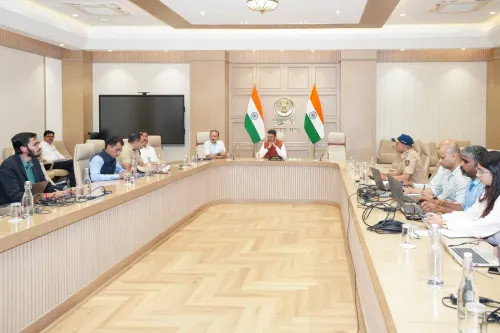
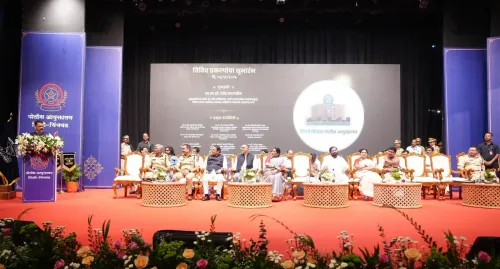
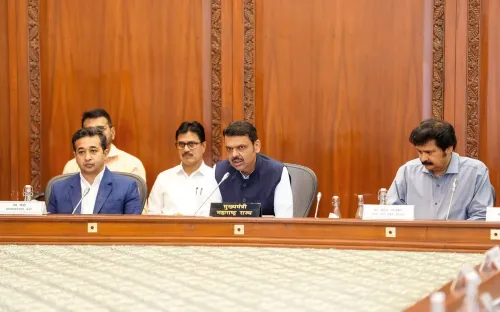
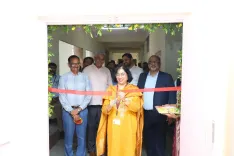
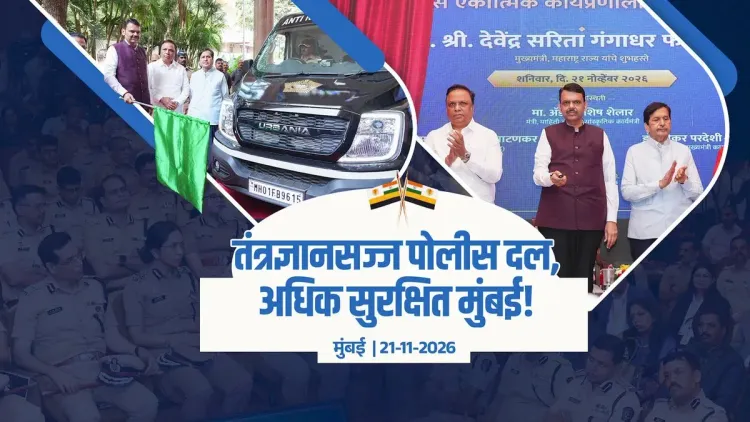
Six technology projects — from a citizen-facing app to the country's first blockchain-equipped anti-narcotics forensic van — landed in Mumbai's policing arsenal on Saturday, 21 November 2026, as Maharashtra Chief Minister Devendra Fadnavis formally launched the initiatives at Sahyadri Guest House, Mumbai, signalling an ambitious push to rewire how the city's police force operates, investigates, and communicates.
Six tools, one goal: a smarter Brihanmumbai Police Commissionerate
The launch covered six distinct systems in one stroke. The Mumbai Police Citizen App consolidates police-related services, permissions, jurisdiction details, and citizen suggestions onto a single digital platform — a direct-service window for residents who previously had to navigate multiple counters or offices.
For personnel on the ground, the Digi ID Smart Card gives every officer a secure digital identity that can be verified instantly through a scan, cutting authentication delays in the field. Smart Tablets extend that reach further, enabling digital record-keeping and data-driven policing at the station level.
MPIS, Samvaad, and the intelligence nerve centre Pratyancha
Behind the citizen-facing layer lies a heavier operational stack. The Mumbai Police Information System (MPIS) is designed as an integrated platform to streamline coordination and accelerate multiple police functions from a single interface. Running alongside it, the Samvaad App focuses specifically on internal communication between personnel — a channel built for speed and security.
The centrepiece for intelligence work is Pratyancha — Mumbai Police Fusion Centre, which integrates data from multiple sources to sharpen threat identification and intelligence sharing. Fusion centres of this kind — aggregating feeds from CCTV, criminal databases, and field units — have become a standard architecture in advanced urban policing globally, and Mumbai now joins that framework formally.
India's first blockchain-backed anti-narcotics forensic van
Perhaps the single most striking announcement is the Anti-Narcotics Investigation and Forensic Van — described by Fadnavis as a first-of-its-kind initiative in the country. The van enables on-site investigation and forensic evidence collection, with evidence stored on a blockchain-based system to ensure tamper-proof chain of custody. In narcotics cases, where evidence integrity is routinely challenged in court, that layer of immutable record-keeping could directly affect conviction outcomes.
Fadnavis also emphasised the in-development Tapas Saarathi, an AI-powered investigation system aimed at strengthening evidence management and improving conviction rates — though the system was flagged as still in progress rather than live at launch.
Maharashtra's tech-policing push in national context
These six launches build on a lineage that stretches back to the Crime and Criminal Tracking Network and Systems (CCTNS), the national digitisation framework initiated in 2009 to connect police stations and standardise core functions across India. State governments have progressively layered citizen portals, data platforms, and analytics tools on top of that foundation. Maharashtra's move today is among the more comprehensive single-day rollouts, bundling citizen services, internal operations, intelligence fusion, and forensic technology under one umbrella.
Minister Mangal Prabhat Lodha and Minister Adv. Ashish Shelar, along with senior police officials and other dignitaries, were present at the ceremony.
The real test arrives in the rollout — how quickly these systems reach individual police stations, whether officers adopt the tablets and apps in practice, and whether case disposal times or public service metrics move in response. Those numbers will determine whether today's launch is a turning point or a press conference.
Point of View
With CM Fadnavis visibly anchoring high-profile digital rollouts to build an executive identity around administrative modernisation. The blockchain forensic van is a notable outlier nationally — if it withstands court scrutiny on evidence admissibility, it could become a template for anti-narcotics enforcement in other metro forces. The bundling of six systems in a single ceremony also reflects a political calculation: demonstrating delivery velocity ahead of any accountability cycle. The critical variable, as with most e-governance drives in India, will be ground-level adoption rather than launch-day optics.
NationPress
21 Nov 2026
Frequently Asked Questions
What technology projects did Devendra Fadnavis launch for Mumbai Police?
CM Fadnavis launched six projects: the Mumbai Police Citizen App, Digi ID Smart Card, Smart Tablets, Mumbai Police Information System (MPIS), Samvaad App, and the Pratyancha Fusion Centre, along with India's first Anti-Narcotics Investigation and Forensic Van featuring blockchain-based evidence storage.
What is the Mumbai Police Citizen App?
The Mumbai Police Citizen App is a single digital platform that allows residents to access police-related services, check permissions, find jurisdiction details, and submit suggestions — consolidating multiple services in one place.
What is Pratyancha, the Mumbai Police Fusion Centre?
Pratyancha is an intelligence fusion centre that integrates data from multiple sources to improve threat identification and strengthen intelligence sharing within Mumbai Police.
What is special about the Anti-Narcotics Investigation and Forensic Van?
It is described as the first such initiative in India, enabling on-site forensic investigation and evidence collection, with evidence secured on a blockchain-based system to ensure a tamper-proof chain of custody.
What is Tapas Saarathi in Mumbai Police?
Tapas Saarathi is an AI-powered investigation system being developed to strengthen evidence management and improve conviction rates for Mumbai Police, highlighted at the launch as a forthcoming initiative.