CM Fadnavis Marks Independence Day With Tribute to Freedom Fighters
Synopsis
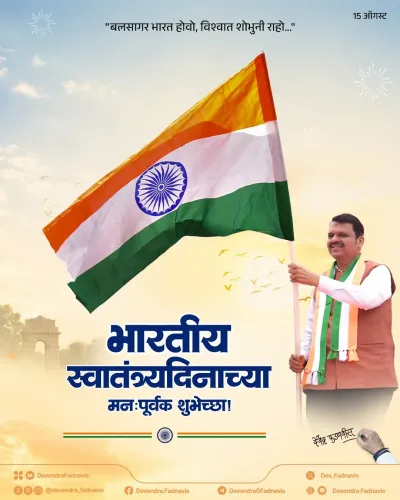
Maharashtra Chief Minister Devendra Fadnavis marked Independence Day on 15 August with a bilingual message honouring India's freedom fighters, pairing an English tribute with a celebrated Marathi patriotic verse calling for the endurance of Indian freedom.
Key Takeaways
Maharashtra Chief Minister Devendra Fadnavis posted his Independence Day message on 15 August 2026 at 6:42 AM IST .
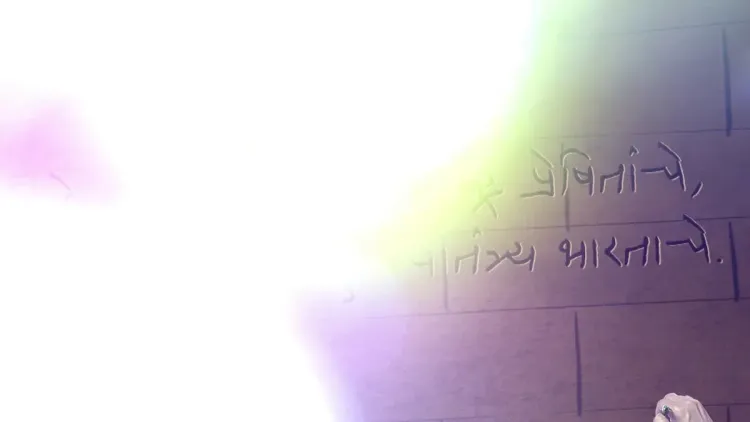
He paid tribute to 'countless freedom fighters whose courage and sacrifice shaped our nation's destiny.' The post included a Marathi verse — 'हे राष्ट्र देवतांचे, हे राष्ट्र प्रेषितांचे...' — invoking the endurance of Indian freedom under the moon and sun.
The bilingual format addressed both a national English-speaking audience and Maharashtra's Marathi-speaking citizens simultaneously.
India has marked Independence Day on 15 August each year since gaining freedom from British rule in 1947 .
On the morning of India's Independence Day, 15 August, Maharashtra Chief Minister Devendra Fadnavis extended greetings to the nation, honouring the freedom fighters whose sacrifice made self-rule possible — and invoking a Marathi verse to carry that spirit forward.
Posting in both English and Marathi, Fadnavis wrote: 'Tribute to the countless freedom fighters whose courage and sacrifice shaped our nation's destiny. May their legacy inspire us to serve India with unity and integrity.' He followed with a celebrated Marathi verse — 'हे राष्ट्र देवतांचे, हे राष्ट्र प्रेषितांचे, आ-चंद्रसूर्य नांदो स्वातंत्र्य भारताचे...' — which translates as: 'This nation belongs to the gods, this nation belongs to the prophets; may the freedom of India endure as long as the moon and sun.'
A Verse That Carries the Weight of 1947
The Marathi lines Fadnavis chose are drawn from a tradition of patriotic poetry that has accompanied Maharashtra's public life for generations. By anchoring an Independence Day message in regional verse rather than a generic English slogan, the Chief Minister signals the cultural register his constituency responds to — pride in Maharashtra's own contribution to the independence movement, from the Chapekar brothers to Bal Gangadhar Tilak.
India achieved independence from British rule on 15 August 1947, a date that carries both triumph and memory. Each anniversary renews the call — heard in speeches from New Delhi to Mumbai — to translate the sacrifices of that era into present-day service and national cohesion.
The Dual-Language Choice and What It Says
The bilingual structure of the post — English appeal, Marathi verse — is deliberate. It speaks simultaneously to a national audience and to Maharashtra's 12 crore-plus citizens, for whom the Marathi language is an identity marker as much as a communication tool. For a Chief Minister leading India's wealthiest state by GDP, the gesture reinforces that regional pride and national patriotism are not competing loyalties but the same impulse expressed in two tongues.
Point of View
The choice of a classical patriotic verse is as much a political signal as a cultural one. The emphasis on 'unity and integrity' also echoes the BJP's long-running national-integration messaging, keeping the post aligned with the party's broader ideological frame without crossing into overt electioneering. On a day when every leader posts, the Marathi verse is the differentiator.
NationPress
15 Aug 2026
Frequently Asked Questions
What did Maharashtra CM Devendra Fadnavis say on Independence Day?
Fadnavis paid tribute to India's freedom fighters and expressed hopes that their legacy would inspire unity and integrity. He also shared a Marathi patriotic verse wishing for the endurance of Indian freedom.
What is the Marathi verse Fadnavis quoted on Independence Day?
The verse — 'हे राष्ट्र देवतांचे, हे राष्ट्र प्रेषितांचे, आ-चंद्रसूर्य नांदो स्वातंत्र्य भारताचे' — translates as: 'This nation belongs to the gods, this nation belongs to the prophets; may the freedom of India endure as long as the moon and sun.'
When did India gain independence?
India achieved independence from British rule on 15 August 1947. The date is commemorated every year as Independence Day.
Why did Fadnavis post in both English and Marathi?
As Chief Minister of Maharashtra, Fadnavis addressed a dual audience — a national English-speaking public and Maharashtra's large Marathi-speaking population — reflecting both his state leadership role and his national political stature.
Who is Devendra Fadnavis?
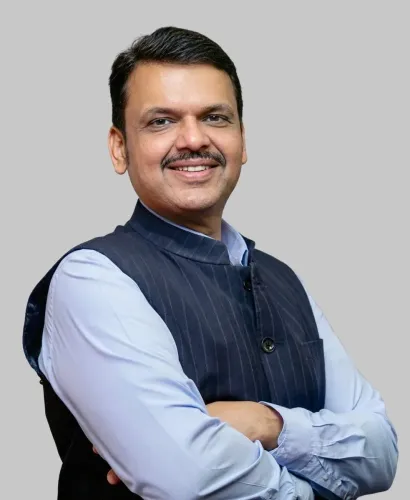
Devendra Fadnavis is the Chief Minister of Maharashtra and a senior leader of the Bharatiya Janata Party (BJP).