CM Fadnavis Marks Janjatiya Gaurav Diwas at Parliament
Synopsis
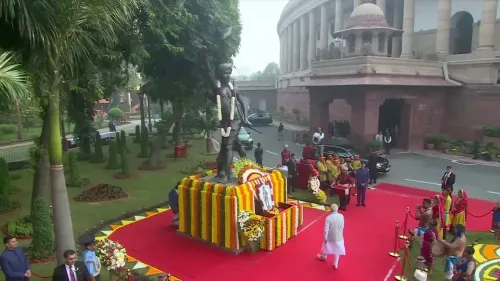
On Janjatiya Gaurav Diwas, 15 November 2026, India's President, PM, VP and Lok Sabha Speaker paid floral tributes to Birsa Munda at Parliament's Prerna Sthal. Maharashtra CM Devendra Fadnavis shared the moment, highlighting Adivasi cultural performances marking tribal India's freedom-struggle legacy.
Key Takeaways
Janjatiya Gaurav Diwas is observed every 15 November , the birth anniversary of tribal freedom fighter Bhagwan Birsa Munda , declared by the Government of India in 2021 .
President Draupadi Murmu , PM Narendra Modi , VP C.P.
Radhakrishnan , and Lok Sabha Speaker Om Birla offered floral tributes at Prerna Sthal in the Parliament complex.
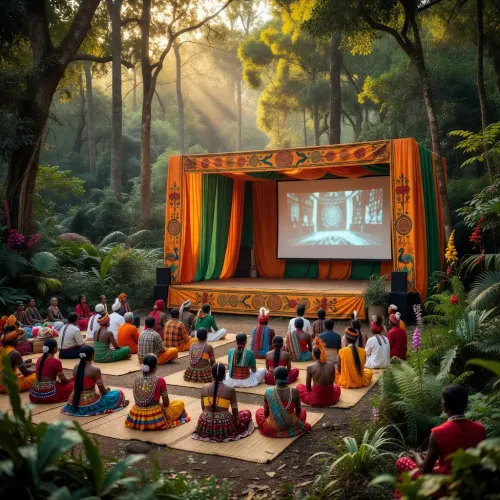
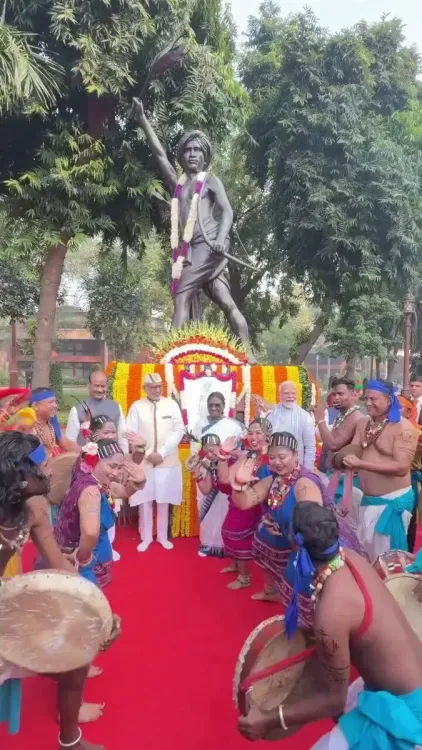
Adivasi artists performed at the event, showcasing India's tribal heritage and traditional art forms.
President Murmu is the first person from a Scheduled Tribe community to hold the office, lending additional significance to her participation.
CM Devendra Fadnavis opened his post with 'Jai Johar' , a traditional Adivasi salutation, signalling solidarity with tribal communities.
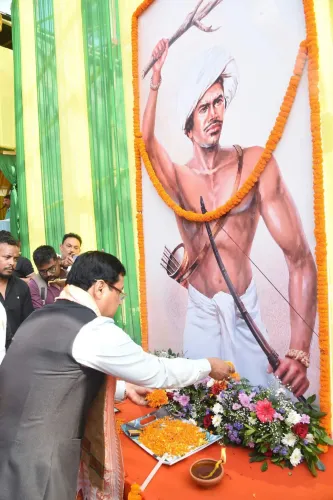
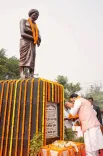
On the birth anniversary of Bhagwan Birsa Munda, India's highest constitutional offices converged at Prerna Sthal within the Parliament complex on Sunday, 15 November 2026 to pay floral tributes to the 19th-century tribal freedom fighter — and Maharashtra Chief Minister Devendra Fadnavis shared the moment with a salute that resonated far beyond New Delhi.
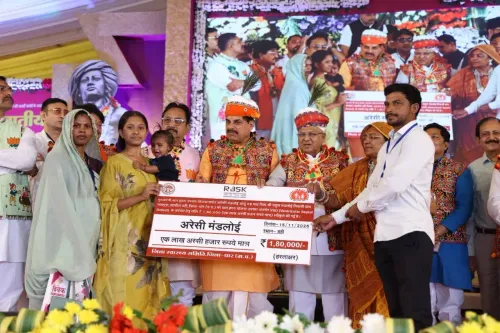
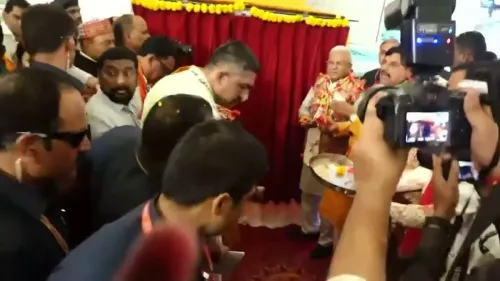
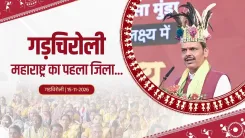
Fadnavis posted on X with the words 'Jai Johar' — 'Hail and honour', a traditional Adivasi greeting — noting that President Draupadi Murmu, Prime Minister Narendra Modi, Vice President C.P. Radhakrishnan, and Lok Sabha Speaker Om Birla offered pushpanjali (floral tributes) at the memorial site. Adivasi artists performed at the occasion, showcasing India's rich tribal heritage and traditional art forms.
Who Was Birsa Munda — and Why 15 November Matters
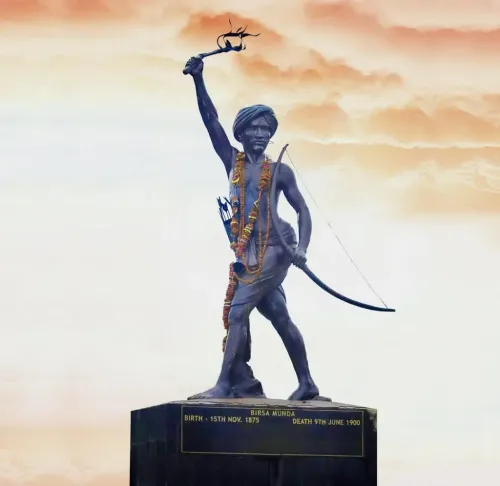
Birsa Munda was born on 15 November 1875 in present-day Jharkhand and led the Munda Rebellion against British colonial rule and feudal land exploitation in the late 1890s. Revered as Dharti Aaba — 'Father of the Earth' — he died in British custody in 1900 at the age of 25, leaving behind a legacy that tribal communities across India continue to honour as a symbol of resistance and dignity.
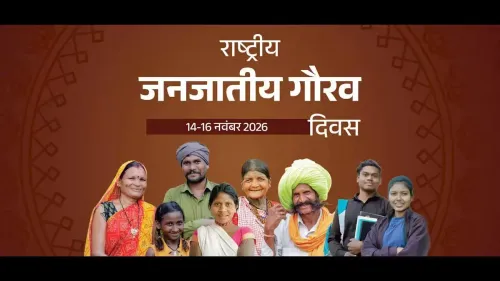
In 2021, the Government of India formally declared 15 November as Janjatiya Gaurav Diwas — Tribal Pride Day — to institutionalise recognition of Birsa Munda's birth anniversary and to place tribal contributions at the centre of the national freedom-struggle narrative. The observance is now an annual fixture on the official calendar.
Prerna Sthal and the Constitutional Quartet
Prerna Sthal, the memorial site within the Parliament complex, serves as the designated venue for official floral tributes to national figures. The simultaneous presence of the President, the Prime Minister, the Vice President, and the Lok Sabha Speaker at a single commemoration underscores the constitutional weight the government attaches to Janjatiya Gaurav Diwas.
President Draupadi Murmu herself is the first person from a Scheduled Tribe community to hold that office, making her participation carry a symbolic resonance that goes beyond protocol. Her presence at Birsa Munda tributes is a recurring and meaningful detail in these annual observances.
Adivasi Artists at the Heart of the Ceremony
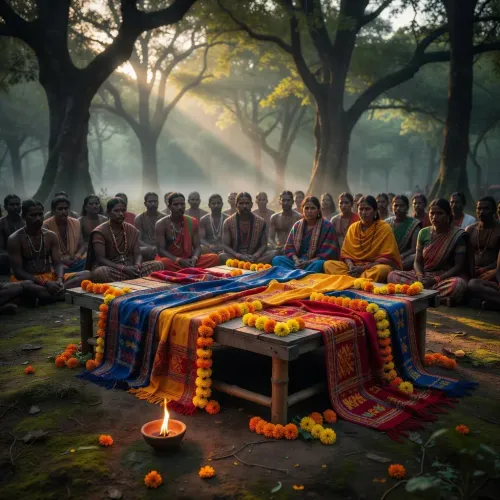
Beyond the official wreath-laying, the occasion featured performances by Adivasi artists who presented traditional art forms rooted in India's diverse tribal cultures. These cultural displays are a deliberate element of the commemorations — anchoring the day not just in historical memory but in living tradition, reminding audiences that tribal heritage is not archival but active.
Fadnavis's post, closing with the hashtag #JanjatiyaGauravDiwas, reflects a broader pattern among BJP leaders of amplifying the Centre's tribal-outreach messaging on this date — a practice that has grown steadily since the observance was instituted.
Five years after Janjatiya Gaurav Diwas was declared, its scale and constitutional choreography signal that the annual tribute to Birsa Munda has moved firmly from a government initiative into the rhythm of India's national calendar — and the question now is what policy substance follows the ceremony.
Point of View
Anchored each year by the presence of the country's highest offices. The institutionalisation of this observance since 2021 reflects the BJP's consistent effort to weave tribal freedom-struggle narratives — previously marginal in mainstream history — into the official national story. For CM Fadnavis, amplifying the event from Maharashtra signals alignment with that central project while broadening his own outreach to Adivasi constituencies. The deeper test, analysts note, lies in whether cultural commemoration translates into measurable advances in tribal welfare, land rights, and educational outcomes.
NationPress
15 Nov 2026
Frequently Asked Questions
What is Janjatiya Gaurav Diwas and why is it celebrated on 15 November?
Janjatiya Gaurav Diwas is India's national Tribal Pride Day, observed every 15 November to mark the birth anniversary of Bhagwan Birsa Munda , the Munda tribal leader who led a rebellion against British colonial rule. The Government of India declared the observance in 2021 to honour tribal contributions to the freedom struggle.
Who was Bhagwan Birsa Munda?
Birsa Munda was a 19th-century tribal leader born on 15 November 1875 in present-day Jharkhand. He led the Munda Rebellion against British rule and feudal land exploitation, is revered as Dharti Aaba (Father of the Earth), and died in British custody in 1900 aged 25.
Where is Prerna Sthal and what happens there?
Prerna Sthal is a memorial site located within the Parliament complex in New Delhi . It is used as the designated venue for official floral tributes to national figures, including tributes paid during Janjatiya Gaurav Diwas.
Why is President Draupadi Murmu's participation in Janjatiya Gaurav Diwas significant?
President Draupadi Murmu is the first person from a Scheduled Tribe community to hold the office of President of India, making her participation in tributes to Birsa Munda symbolically resonant beyond official protocol.
What did CM Devendra Fadnavis post about Janjatiya Gaurav Diwas?
Maharashtra Chief Minister Devendra Fadnavis posted on X with the salutation 'Jai Johar' , noting that the President, PM, VP and Lok Sabha Speaker paid floral tributes at Prerna Sthal and that Adivasi artists performed to showcase India's tribal heritage on 15 November 2026 .