CM Fadnavis marks Marathi Classical Language Day
Synopsis
Maharashtra CM Devendra Fadnavis marked the first Marathi Abhijat Bhasha Divas on 3 October 2026, one year after Marathi received Classical Language status from the Union government, calling it a proud moment for Maharashtra's identity.
Key Takeaways
3 October 2024 : The Union government formally granted Marathi the 'Classical Language' designation.
3 October 2026 : CM Devendra Fadnavis marked the first Marathi Abhijat Bhasha Divas on X, calling it a pride of Maharashtra's identity.
Classical Language status unlocks central funding for research, a Centre of Excellence, and national scholarships for Marathi scholars.
Marathi joins Tamil, Sanskrit, Telugu, Kannada, Malayalam, and Odia as India's recognised Classical Languages.
Fadnavis acknowledged decades of advocacy by scholars, activists, and political leaders across party lines who campaigned for the status.
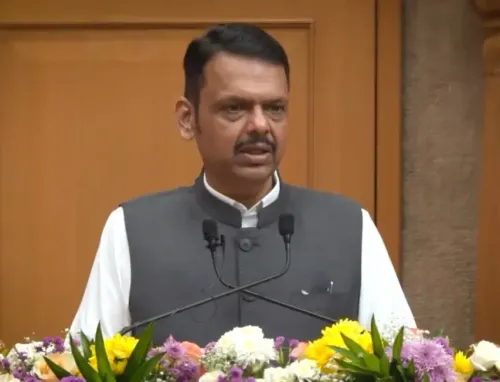
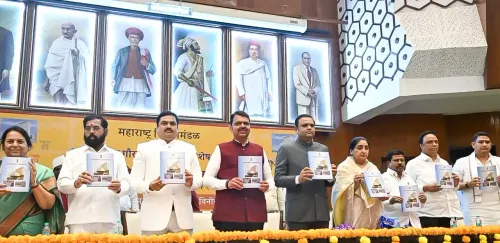
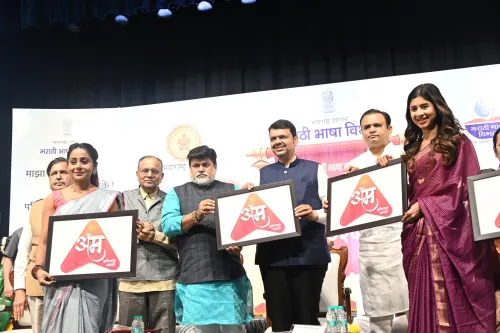
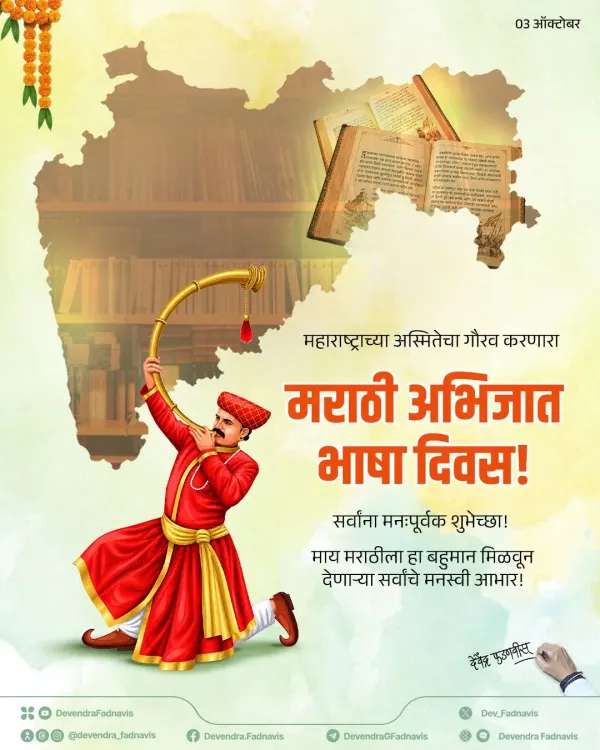
One year ago today, a decades-long cultural aspiration became official — and Maharashtra Chief Minister Devendra Fadnavis is making sure no one forgets the anniversary. On 3 October 2026, Fadnavis took to X to mark the first Marathi Abhijat Bhasha Divas, commemorating the historic decision of 3 October 2024 when the Union government granted Marathi the coveted 'Classical Language' status.
In his post, written in Marathi, Fadnavis called the day 'महाराष्ट्राच्या अस्मितेचा गौरव' — 'a pride of Maharashtra's identity' — and offered heartfelt thanks to 'all the great stalwarts' who made the honour possible for what he affectionately called 'माय मराठी', or 'Mother Marathi'.
What 'Classical' status actually means for Marathi
The Classical Language designation by the Government of India is not merely ceremonial. It unlocks dedicated central funding for research, the establishment of a Centre of Excellence, and national scholarships for scholars of the language. For Marathi — spoken by roughly 83 million people worldwide — the recognition places it alongside Tamil, Sanskrit, Telugu, Kannada, Malayalam, and Odia in the highest tier of India's linguistic heritage.
Activists and literary figures had campaigned for this status for well over a decade, arguing that Marathi's documented literary history stretches back more than 1,000 years, fulfilling the criteria set by the government's Linguistic Experts Committee.
A milestone Maharashtra fought long to claim
The push for Classical status had been a persistent demand across party lines in Maharashtra — in the legislature, on the streets, and in academic circles. When the Cabinet decision came through in October 2024, it was received as a cultural victory for the state's 12 crore-plus Marathi-speaking population. Marking the first anniversary as an institutionalised day of commemoration signals the Maharashtra government's intent to keep the achievement visible and build on its momentum.
Fadnavis's acknowledgment of the 'stalwarts' who fought for this recognition is a nod to the scholars, activists, and political voices — across generations — whose sustained pressure finally moved the needle at the national level.
One anniversary in, and Marathi's classical standing is no longer just a gazette notification — it is becoming a day on Maharashtra's cultural calendar.
Point of View
Turning a one-time administrative decision into an annual moment of cultural identity. For Fadnavis and the BJP, amplifying this milestone reinforces their claim of delivering on a long-standing cultural demand that resonated across Maharashtra's electorate. More broadly, it reflects a wider political pattern of incumbent governments converting language and heritage recognition decisions into durable electoral narratives — keeping the goodwill of a landmark moment alive well beyond the original announcement.
NationPress
3 Oct 2026
Frequently Asked Questions
When did Marathi get Classical Language status?
Marathi was granted Classical Language status by the Union government on 3 October 2024 , a decision now commemorated annually as Marathi Abhijat Bhasha Divas.
What is Marathi Abhijat Bhasha Divas?
Marathi Abhijat Bhasha Divas, observed on 3 October each year, marks the anniversary of Marathi receiving the Classical Language designation from the Government of India in 2024.
What benefits does Classical Language status give Marathi?
Classical Language status entitles Marathi to dedicated central government funding for research, establishment of a Centre of Excellence for the language, and national scholarships for Marathi scholars.
Which languages have Classical Language status in India?
As of 2024, India's Classical Languages are Tamil, Sanskrit, Telugu, Kannada, Malayalam, Odia, and Marathi — the most recently added.
What did CM Fadnavis say about Marathi Abhijat Bhasha Divas?
CM Devendra Fadnavis called the day 'a pride of Maharashtra's identity' and thanked all the stalwarts whose efforts secured the Classical Language recognition for 'Mother Marathi'.