CM Fadnavis meets Japan Chamber chief in Mumbai to boost investment
Synopsis
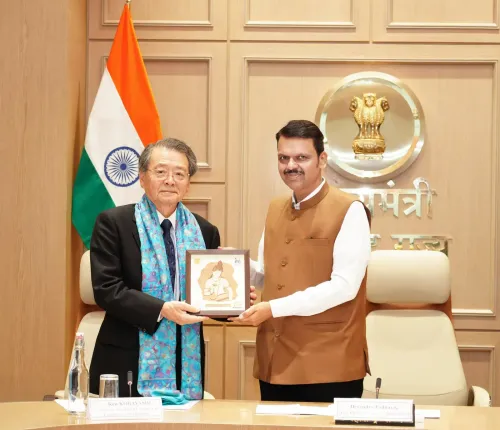
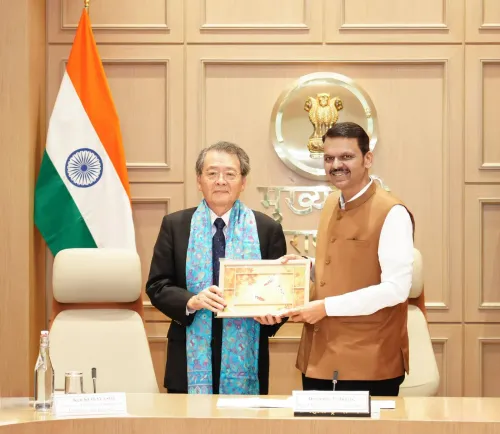
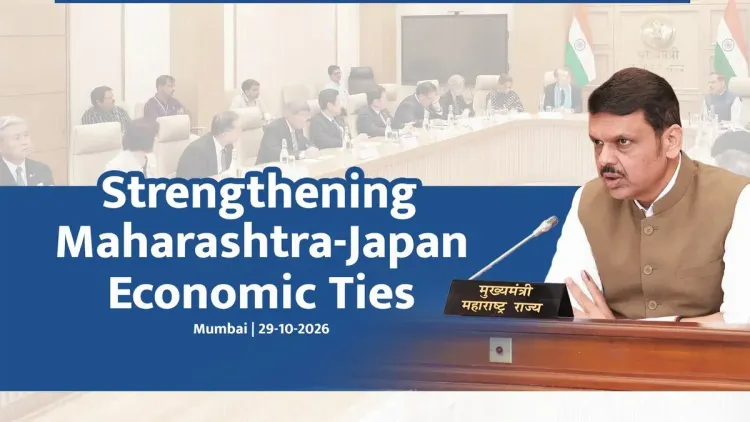
Maharashtra Chief Minister Devendra Fadnavis held a high-level meeting in Mumbai with Japan Chamber of Commerce and Industry Chairman Ken Kobayashi on 29 October 2026, discussing ways to strengthen economic ties and attract more Japanese investment into the state.
Key Takeaways
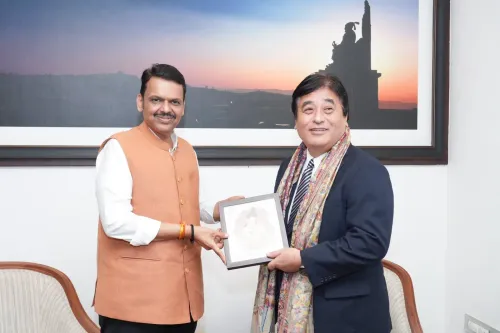
Chief Minister Devendra Fadnavis met Ken Kobayashi , Chairman of the Japan Chamber of Commerce and Industry , in Mumbai on 29 October 2026 .
The meeting focused on strengthening Maharashtra-Japan economic ties and promoting Japanese investment in Maharashtra.
Japan has been a long-standing FDI partner for Maharashtra, with the India-Japan Comprehensive Economic Partnership Agreement of 2011 accelerating bilateral investment flows.
Key sectors of Japanese interest include automobiles, electronics, precision engineering and infrastructure , all areas where Maharashtra has established capacity.
The engagement is part of India's broader Act East framework, with Maharashtra playing an active state-level diplomatic role in courting Japanese capital.
Follow-up investment commitments, MoUs or reciprocal visits to Japan are the developments to watch from this round of talks.
Maharashtra's top salesman for foreign capital made his pitch in Mumbai on Thursday. Chief Minister Devendra Fadnavis met Ken Kobayashi, Chairman of the Japan Chamber of Commerce and Industry (JCCI), and his delegation on 29 October 2026, in a focused session aimed at deepening the economic corridor between Maharashtra and Japan.
What Fadnavis told the JCCI delegation
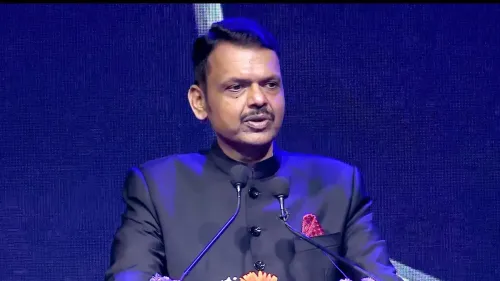
Fadnavis shared his full speech from the meeting on X, describing it as a forum for 'discussing opportunities to strengthen Maharashtra-Japan economic ties and promote Japanese investment in Maharashtra.' The address, delivered directly to one of Japan's most influential business bodies, signals the state's intent to move well beyond goodwill — towards concrete capital flows in manufacturing, infrastructure and technology.
Why Japan, why now
Japan is not a new partner for Maharashtra — it is a proven one. Japanese firms have anchored significant manufacturing capacity in the state for decades, with the India-Japan Comprehensive Economic Partnership Agreement of 2011 providing the formal scaffolding that accelerated bilateral FDI. Automakers, electronics companies and infrastructure developers have all followed that trail into Maharashtra's industrial corridors. The JCCI, as the apex representative body for Japanese business, holds the keys to scaling that relationship further.
The meeting also fits neatly into India's broader Act East diplomatic framework, under which state governments have taken an increasingly active role in courting East Asian capital — not waiting for New Delhi to broker every opportunity. For Fadnavis, who has made investment attraction a signature priority of his Chief Ministership, a direct conversation with the JCCI Chairman is precisely the kind of state-level outreach that produces the next generation of commitments.
Maharashtra's pitch to Tokyo boardrooms
Maharashtra brings a strong hand to this table: a deep manufacturing base, proximity to Mumbai's financial ecosystem, established industrial zones with Japanese-familiar logistics and, critically, a record of honouring commitments made to foreign investors. The sectors that Japanese capital eyes most closely in India — automobiles, precision engineering, electronics and urban infrastructure — are sectors where Maharashtra already has anchor investments from names like Suzuki and Toyota.
The meeting with Kobayashi-san and the JCCI delegation is less a diplomatic courtesy call and more a business review between parties who already know each other's value. The question now is what follow-through looks like — whether fresh investment commitments, memoranda of understanding, or plans for a reciprocal visit by Maharashtra officials to Japan emerge from the room.
When Maharashtra and Japan sit down together, the agenda is rarely symbolic. Watch for the numbers that come next.
Point of View
Investor-ready economy to an international business audience. Within BJP's broader economic governance narrative, high-visibility meetings with apex foreign business bodies serve a dual purpose: attracting capital and building a record of executive action ahead of the next electoral cycle. The real metric for this meeting, however, will be measurable investment announcements — not the handshake photographs.
NationPress
29 Oct 2026
Frequently Asked Questions
Why did CM Fadnavis meet the Japan Chamber of Commerce and Industry?
CM Fadnavis met JCCI Chairman Ken Kobayashi in Mumbai on 29 October 2026 to discuss strengthening Maharashtra-Japan economic ties and encouraging greater Japanese investment in the state across sectors like manufacturing and infrastructure.
Who is Ken Kobayashi?
Ken Kobayashi is the Chairman of the Japan Chamber of Commerce and Industry, Japan's apex business representative body that promotes trade, investment and economic cooperation internationally.
What Japanese companies have invested in Maharashtra?
Major Japanese firms including Suzuki and Toyota have established significant manufacturing operations in Maharashtra, making the state one of India's leading destinations for Japanese foreign direct investment.
What is India's Act East policy and how does it relate to Maharashtra-Japan ties?
India's Act East policy prioritises deepening economic, strategic and diplomatic engagement with East and Southeast Asia. Maharashtra's active outreach to Japanese business groups is a state-level expression of this broader national framework.
What could come out of the Maharashtra-Japan investment meeting?
Potential outcomes include new investment commitments from Japanese firms, memoranda of understanding on specific projects, and reciprocal visits by Maharashtra government officials to Japan to follow up on discussions.