CM Fadnavis Meets Nepal MPs at Varsha Bungalow, Mumbai
Synopsis
Maharashtra Chief Minister Devendra Fadnavis hosted Nepal MP Sandeep Rana and a parliamentary delegation at Varsha Bungalow in Mumbai on 27 July 2026. The talks focused on strengthening India-Nepal bilateral ties, expanding cooperation, and advancing shared progress between the two nations.
Key Takeaways
Maharashtra CM Devendra Fadnavis met a Nepali parliamentary delegation at Varsha Bungalow, Mumbai on 27 July 2026 .
The delegation included federal MP Sandeep Rana , Lumbini Province MP Nima Giri , and former Constituent Assembly member Amar Singh Pun .
Discussions focused on strengthening bilateral ties and expanding cooperation for 'shared progress and prosperity.' The meeting reflects the growing trend of Indian state governments engaging directly with Nepali provincial and federal lawmakers.
India-Nepal relations are governed by the foundational 1950 Treaty of Peace and Friendship , which enables open borders and close cooperation.
Maharashtra's engagement signals the state's active role in India's broader neighbourhood-first diplomatic approach.
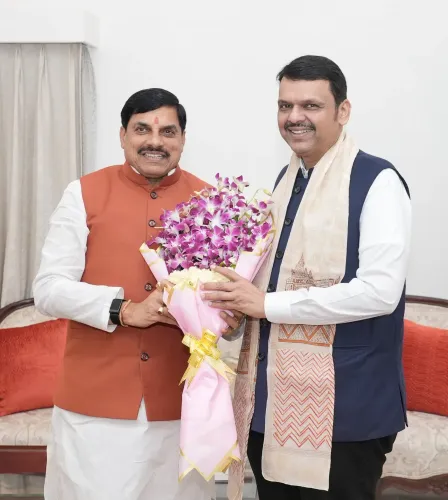
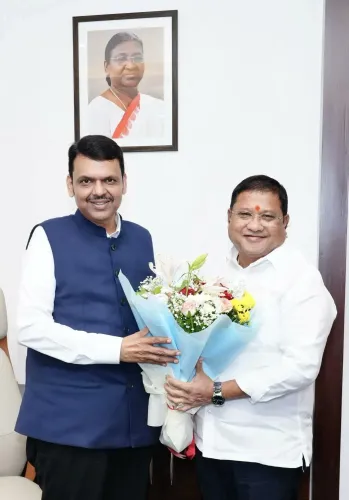
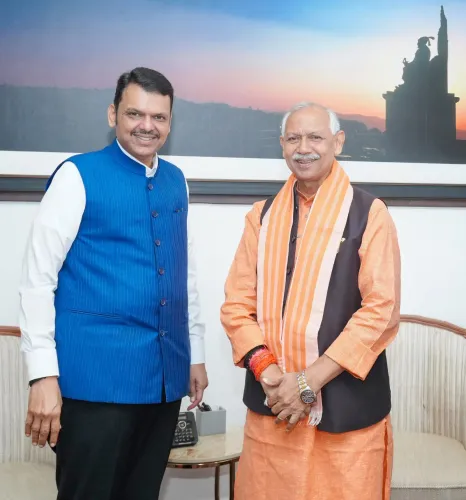
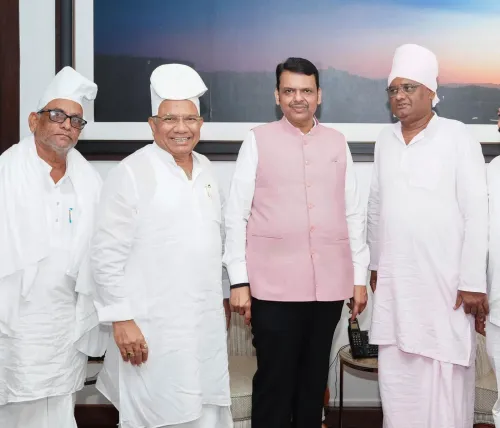
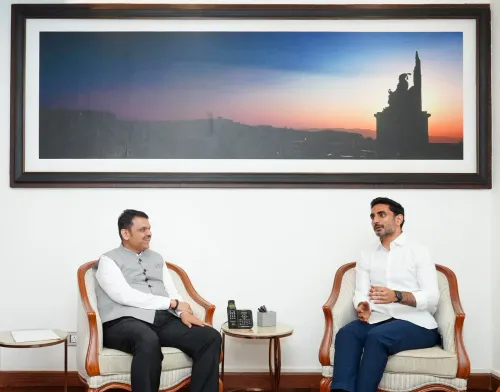
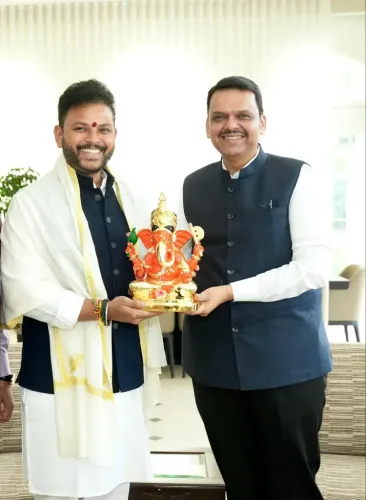
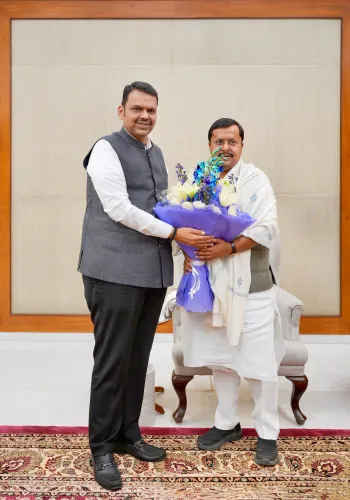
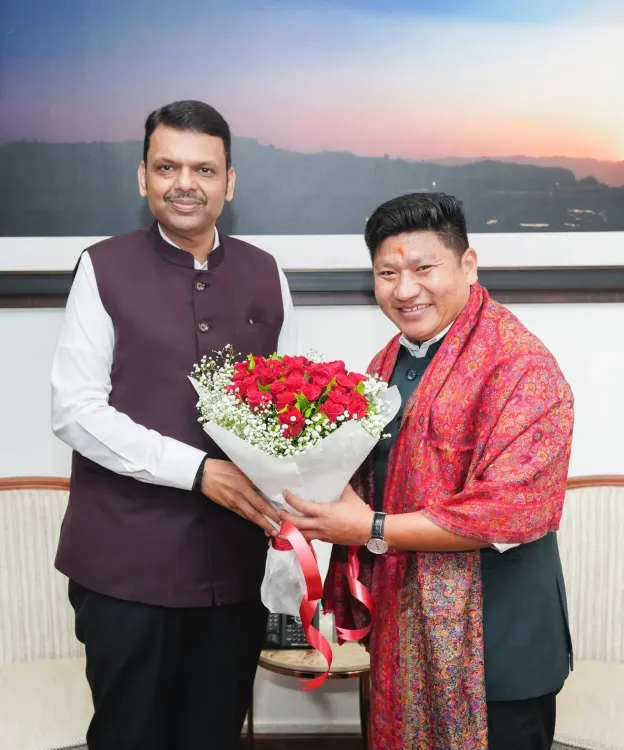
Maharashtra Chief Minister Devendra Fadnavis hosted a delegation of Nepali parliamentarians at Varsha Bungalow, the official CM residence in Mumbai, on Monday, 27 July 2026, in a meeting focused on deepening bilateral ties between India and Nepal.
Context
The visiting delegation included Nepal MP Sandeep Rana, Lumbini Province MP Nima Giri, and former Constituent Assembly member Amar Singh Pun. Fadnavis described the meeting as an opportunity to 'welcome' the delegation and underscored the 'deep-rooted bond of friendship, built on shared history, culture, and mutual trust' that binds the two nations.
The discussions, according to Fadnavis, centred on 'opportunities to further strengthen bilateral ties and expand cooperation for the shared progress and prosperity of our two nations.' The meeting was accompanied by photographs shared from the official residence.
Policy Backdrop
India-Nepal relations are anchored in the 1950 Treaty of Peace and Friendship, which established the framework for open borders and close bilateral cooperation. The treaty remains the foundational document governing the two countries' special relationship, covering free movement of people and goods across a shared open border.
Since the mid-2010s, sub-national engagement between Indian states and Nepali provinces has grown steadily, complementing New Delhi's central-level diplomacy. Prime Minister Narendra Modi's visits to Nepal in 2014 and 2015 gave fresh momentum to cooperation in trade, connectivity and culture, and state-level meetings have since become a recognised channel for advancing neighbourhood outreach.
Maharashtra, as one of India's largest economic states, holds particular relevance for Nepal given trade flows, remittances, and the significant Nepali diaspora present in Indian cities.
Stakeholders and Impact
The meeting brought together elected representatives from Nepal's federal parliament and Lumbini Province — a region of deep cultural and religious significance to both countries as the birthplace of Gautama Buddha. The presence of a former Constituent Assembly member signals continuity in Nepal's political engagement with Indian state governments across different political cycles.
For Maharashtra, hosting Nepali MPs at the CM's official residence elevates the engagement beyond a courtesy call and signals the state's intent to participate actively in India's neighbourhood-first diplomacy. Trade facilitation, people-to-people contacts, and potential connectivity cooperation are areas likely to benefit from such interactions.
What's Next
The meeting is expected to lay groundwork for further state-level dialogue on trade facilitation and connectivity between Maharashtra and Nepal. Analysts tracking India-Nepal relations will watch for any follow-up institutional mechanisms or delegations that may emerge from the 27 July discussions. With bilateral cooperation increasingly operating at the sub-national level, Maharashtra's engagement with Nepali provincial and federal lawmakers fits a broader pattern of Indian states taking an active role in neighbourhood diplomacy alongside the central government.
Point of View
Particularly with immediate neighbours. The inclusion of a Lumbini Province MP adds cultural and religious weight to what might otherwise appear a routine courtesy visit, touching on the shared Buddhist heritage that both governments have historically leveraged to deepen people-to-people ties. Sustained state-level engagement of this kind can translate into tangible economic outcomes — trade facilitation, diaspora welfare, and connectivity projects — that central-level diplomacy alone cannot always deliver at the ground level.
NationPress
27 Jul 2026
Frequently Asked Questions
Why did Maharashtra CM Fadnavis meet Nepal MPs?
CM Devendra Fadnavis met the Nepali delegation to discuss opportunities to strengthen India-Nepal bilateral ties and expand cooperation for the shared progress of both nations, in line with India's neighbourhood-first diplomatic approach.
Where did the India-Nepal meeting take place?
The meeting was held at Varsha Bungalow in Mumbai, which serves as the official residence of the Maharashtra Chief Minister.
Who was part of the Nepal delegation that met Fadnavis?
The delegation included Nepal MP Sandeep Rana, Lumbini Province MP Nima Giri, and former Constituent Assembly member Amar Singh Pun.
What is the significance of India-Nepal relations?
India and Nepal share a special relationship governed by the 1950 Treaty of Peace and Friendship, which allows open borders and close cooperation in trade, culture, and connectivity.
What is Lumbini Province and why does it matter in India-Nepal ties?
Lumbini Province in Nepal is the birthplace of Gautama Buddha and holds deep cultural and religious significance for both India and Nepal, making it a key area in people-to-people and diplomatic engagement between the two countries.