CM Fadnavis joins 15th Narmada Control Authority review
Synopsis
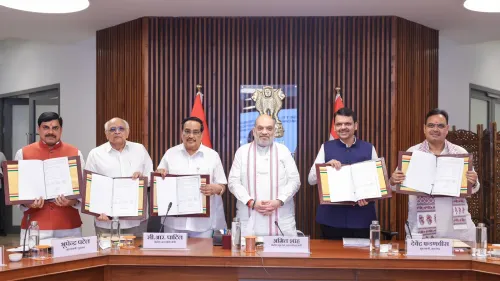
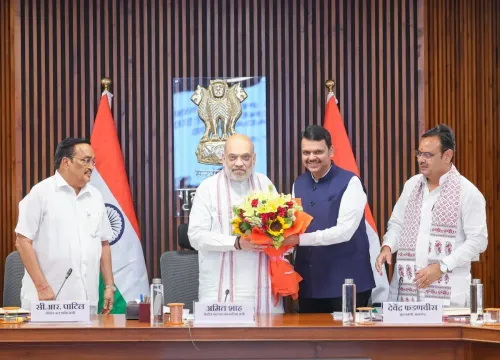
Chief Minister Devendra Fadnavis joined the 15th Review Committee meeting of the Narmada Control Authority online on 27 October 2026, chaired by Union Minister C R Paatil. The CMs of Gujarat, Madhya Pradesh, and Rajasthan were also present for the statutory interstate water-sharing review.
Key Takeaways
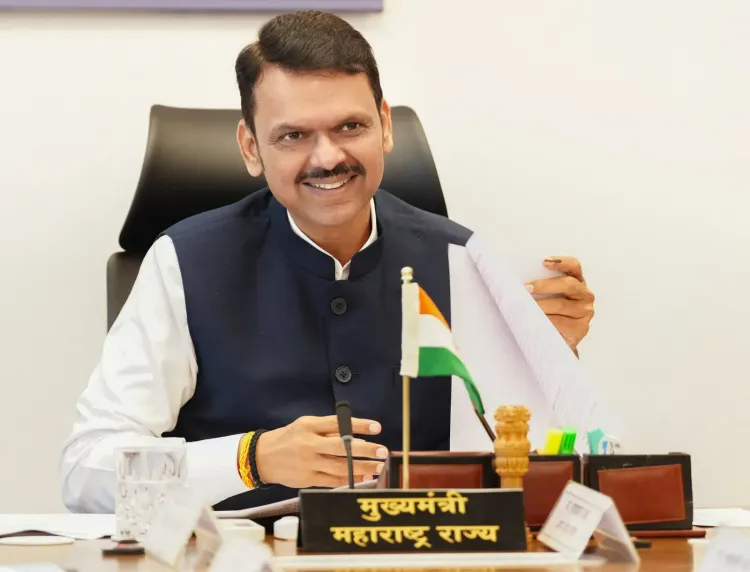
CM Devendra Fadnavis attended the 15th Narmada Control Authority Review Committee meeting online from Mantralaya, Mumbai on 27 October 2026 .
Union Minister C R Paatil chaired the session, bringing together all four riparian state heads under one forum.
Gujarat CM Bhupendra Patel , MP CM Dr.
Mohan Yadav , and Rajasthan CM Bhajanlal Sharma participated alongside senior officials.
The Narmada Control Authority was established to implement the 1979 Narmada Water Disputes Tribunal award on inter-state water sharing.
The Authority oversees dam operations, water releases, and environmental compliance for the four Narmada basin states.
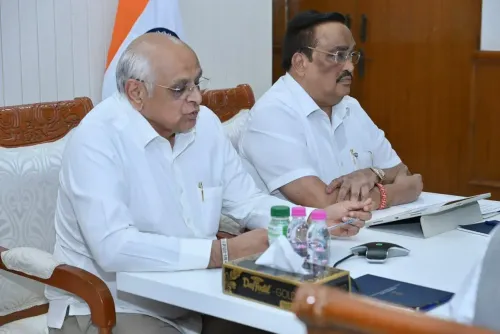
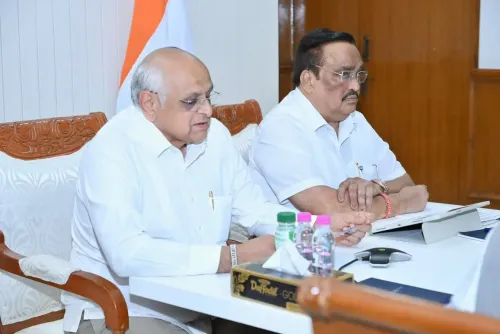
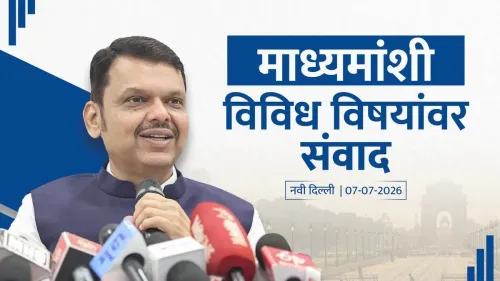
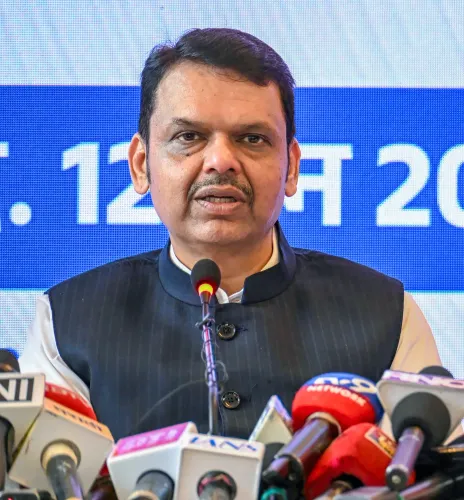
Four state chief ministers and a Union Minister converged — virtually — on Tuesday, 27 October 2026 to take stock of one of India's most consequential river-sharing arrangements. The Chief Minister's Office of Maharashtra confirmed that Chief Minister Devendra Fadnavis attended the 15th Meeting of the Review Committee of the Narmada Control Authority, held online from Mantralaya, Mumbai at 3:10 PM.
Four CMs, one river, one table
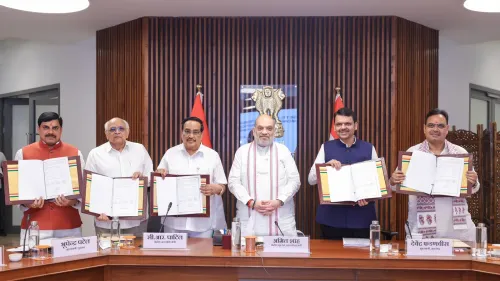
Union Minister C R Paatil chaired the session, with Gujarat Chief Minister Bhupendra Patel, Madhya Pradesh Chief Minister Dr. Mohan Yadav, and Rajasthan Chief Minister Bhajanlal Sharma all present alongside senior officials. The gathering brought together the political heads of every riparian state that draws from the Narmada — a rare alignment of four BJP-governed states under a single federal coordination forum.
What the Narmada Control Authority actually does
The Narmada Control Authority (NCA) is the statutory body created to implement the landmark 1979 award of the Narmada Water Disputes Tribunal, which allocated shares of the river's waters among Madhya Pradesh, Gujarat, Maharashtra, and Rajasthan. It monitors dam operations, water release schedules, compliance with tribunal orders, and environmental safeguards across the basin. The review committee meetings are the primary mechanism through which the four states negotiate competing demands — and avoid returning disputes to the courts.
Why the 15th review matters for basin states
The Sardar Sarovar Dam on the Narmada remains the centrepiece of the authority's oversight, with water-release decisions directly affecting millions of farmers downstream in Gujarat and parts of Rajasthan. For Maharashtra, the Narmada allocation — though smaller than Gujarat's or Madhya Pradesh's — feeds irrigation infrastructure in the state's northern districts. Regular review meetings ensure that seasonal draw-downs, reservoir levels, and sub-project timelines stay within the tribunal's guardrails. The 15th sitting of this committee signals an ongoing, institutionalised cadence of oversight rather than crisis-driven intervention.
Point of View
The meeting carries added political coherence, potentially smoothing negotiations over seasonal releases and Sardar Sarovar parameters. For Maharashtra, consistent participation signals the state's intent to protect its allocated share as agricultural water demand grows. The format — online, multi-CM, Union Minister-chaired — also reflects the Centre's preference for using existing statutory bodies to manage river disputes rather than allowing them to escalate to fresh litigation.
NationPress
27 Oct 2026
Frequently Asked Questions
What is the Narmada Control Authority?
The Narmada Control Authority (NCA) is a statutory body created to implement the 1979 Narmada Water Disputes Tribunal award, overseeing water allocation, dam operations, and environmental safeguards for the four riparian states: Madhya Pradesh, Gujarat, Maharashtra, and Rajasthan.
Who chaired the 15th Narmada Control Authority review meeting?
Union Minister C R Paatil chaired the 15th Review Committee meeting of the Narmada Control Authority, held online on 27 October 2026.
Which states participated in the 15th NCA review?
All four Narmada basin states were represented — Maharashtra (CM Devendra Fadnavis), Gujarat (CM Bhupendra Patel), Madhya Pradesh (CM Dr. Mohan Yadav), and Rajasthan (CM Bhajanlal Sharma).
What is Maharashtra's stake in Narmada water sharing?
Maharashtra holds an allocation of Narmada waters under the 1979 tribunal award, which supports irrigation in the state's northern districts. The NCA review ensures Maharashtra's share is managed within the tribunal's prescribed limits.
How often does the Narmada Control Authority review committee meet?
The review committee meets periodically; the 27 October 2026 session was its 15th meeting, reflecting an institutionalised cadence of interstate coordination since the body's formation in the 1980s.