CM Fadnavis Orders Time-Bound Repair Drive for Maharashtra Schools, Health Centres
Synopsis
CM Devendra Fadnavis directed all Maharashtra districts on 2 October 2026 to launch time-bound campaigns — with 6-month, 1-year, and 3-to-4-year plans — to repair schools, Ashram schools, Anganwadi centres, Primary Health Centres, and ITIs, and asked the Finance Department to issue a Government Resolution anchoring the drive to District Planning Committee funds.
Key Takeaways
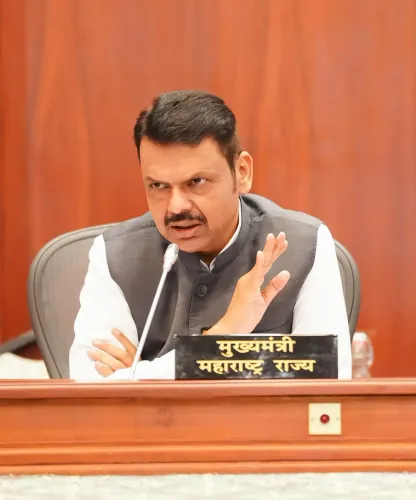
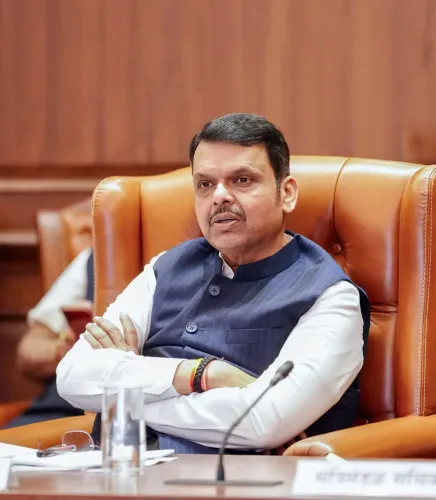
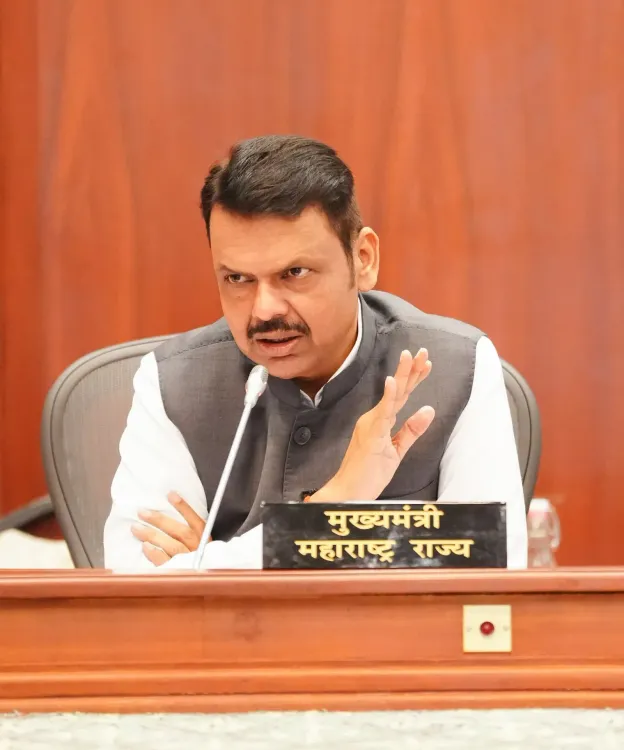
CM Fadnavis chaired a review meeting at Sahyadri Guest House, Mumbai on 2 October 2026 on maintenance of public education and health infrastructure statewide.
All districts directed to prepare action plans spanning six months, one year, and three to four years for repairs and infrastructure improvement.
Institutions covered include state schools, residential schools, Ashram schools, Anganwadi centres, Primary Health Centres / sub-centres, ITIs, and technical education buildings .
Officials from six departments — Education, Health, Women & Child Development, Tribal Development, Social Welfare, and Technical Education — instructed to implement plans jointly.
The Finance Department tasked to issue a Government Resolution on decentralising procedures and utilising District Planning Committee funds for this work.
Deputy CM Sunetratai Pawar and other cabinet members were present, signalling high political commitment to the initiative.
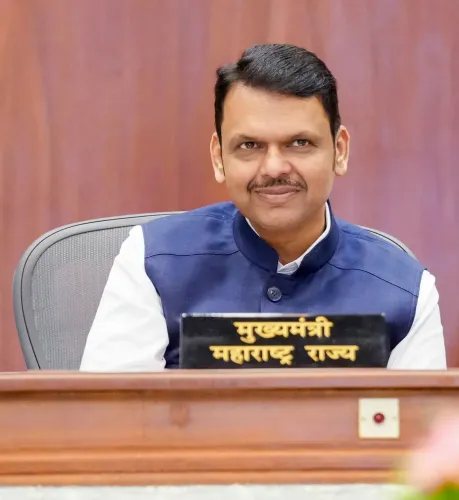
Every crumbling classroom wall and broken Anganwadi centre in Maharashtra just got a deadline. Maharashtra Chief Minister Devendra Fadnavis chaired a high-level review meeting at Sahyadri Guest House, Mumbai, on Friday, 2 October 2026, directing all districts to launch dedicated, time-bound maintenance campaigns for the state's foundational public infrastructure — from schools and residential Ashram schools to Primary Health Centres, ITIs, and Anganwadi centres.
A Six-Month to Four-Year Roadmap for Every District
The meeting was not a routine review. Fadnavis issued a clear operational mandate: every district must prepare layered action plans spanning six months, one year, and three to four years, covering maintenance, repair, and infrastructure improvement across all targeted institution categories. The tiered timeline signals an intent to move beyond ad-hoc patch-up jobs and build a durable public-asset management cycle at the district level.
He directed district-level officials from six departments — Education, Health, Women & Child Development, Tribal Development, Social Welfare, and Technical Education — to work in concert on implementation. Siloed departmental functioning, a persistent bottleneck in large-state governance, was effectively called out as a barrier to progress.
Finance Department Tasked to Frame a Government Resolution on Fund Decentralisation
Critically, Fadnavis directed the Finance Department and concerned Secretaries to issue a formal Government Resolution covering decentralisation procedures, utilisation of District Planning Committee (DPC) funds, and prioritisation of expenditure for these works. The DPC mechanism — a constitutionally mandated channel for district-level planning — has historically been underutilised; anchoring these repairs to DPC funds is a structural move that pushes financial accountability to the district rather than keeping it bottlenecked at the state secretariat.
He also stressed that student accommodation, meals, and basic amenities at residential and Ashram schools must receive 'timely attention and be handled with sensitivity' — a pointed signal given that many Ashram schools, which serve tribal children in Maharashtra's Vidarbha and Marathwada regions, have faced recurring complaints about poor living conditions.
Cabinet Presence Signals Political Weight Behind the Drive
Deputy Chief Minister Sunetratai Pawar and several other cabinet members and senior officials attended the meeting, lending visible political weight to what could otherwise remain a bureaucratic directive. The turnout of ministers from multiple departments reinforces the cross-functional mandate Fadnavis issued from the chair.
Maharashtra runs one of the largest public-school networks in India. Getting its physical infrastructure to match its scale has been a long-standing governance challenge. A coordinated, funded, time-bound push — if it moves from resolution to implementation — could meaningfully improve the daily experience of millions of students and patients who rely on these buildings. The Government Resolution, when issued, will be the real test of intent.
Frequently Asked Questions
What did CM Fadnavis announce for Maharashtra schools and health centres?
CM Fadnavis directed all Maharashtra districts to launch time-bound maintenance and repair campaigns for schools, Ashram schools, Anganwadi centres, Primary Health Centres, ITIs, and technical education buildings, with action plans covering six months, one year, and three to four years.
What is the role of District Planning Committee funds in this repair drive?
Fadnavis asked the Finance Department to issue a Government Resolution covering the utilisation of District Planning Committee (DPC) funds for financing these infrastructure repair and maintenance works, pushing financial decision-making to the district level.
Which departments were directed to work together on the Maharashtra infrastructure repair plan?
Officials from the Education, Health, Women & Child Development, Tribal Development, Social Welfare, and Technical Education departments were directed to jointly implement the district-level action plans.
What are Ashram schools in Maharashtra and why are they included?
Ashram schools are residential government schools primarily serving tribal children in Maharashtra's Vidarbha and Marathwada regions. They were included in this drive because many face longstanding complaints about poor building conditions and inadequate student amenities.
Where was the Maharashtra school and health centre review meeting held?
The review meeting was held at Sahyadri Guest House in Mumbai on 2 October 2026, chaired by Chief Minister Devendra Fadnavis and attended by Deputy CM Sunetratai Pawar and other cabinet members.