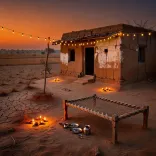
CM Fadnavis spends Diwali dawn with farmers in Nagpur village
Synopsis
Maharashtra CM Devendra Fadnavis spent Diwali night at a farmer family's home in Lohari Sawanga village, Nagpur, sharing morning rituals and an open conversation with villagers, calling the experience deeply joyful.
Key Takeaways
Devendra Fadnavis stayed overnight at the home of the Balpande farmer family in Lohari Sawanga village near Nagpur.
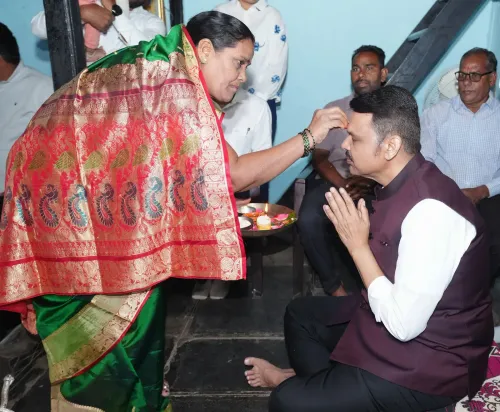
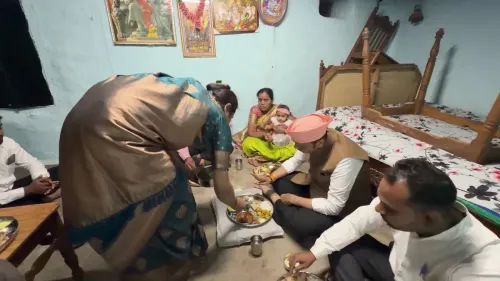
He began Diwali morning with a traditional aukshan performed by the family — a welcoming ritual involving a lamp and ceremonial gestures.
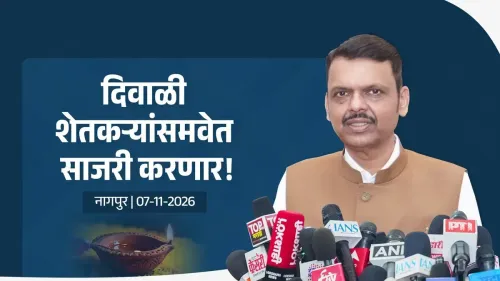
Fadnavis held an open conversation with local farmers during the visit, posting about it on 8 November 2026 .
Nagpur is Fadnavis's long-standing political base and sits at the heart of the agrarian Vidarbha region.
The overnight rural stay fits a broader Maharashtra tradition of senior leaders engaging with farming communities during festival seasons.
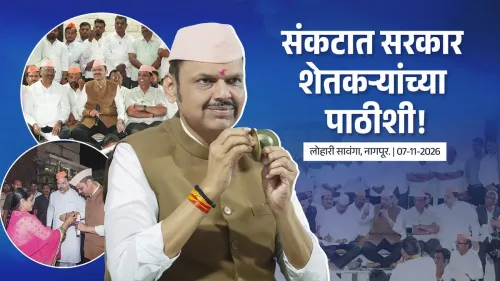
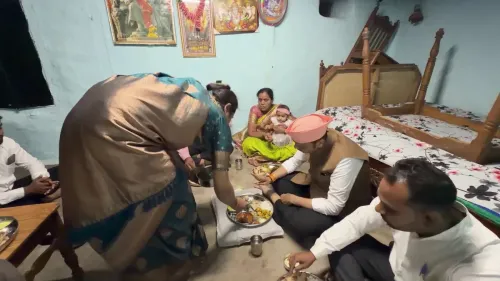
Before the first diyas of Diwali 2026 were lit across Maharashtra, Chief Minister Devendra Fadnavis was already awake in a farmer's home — not a government bungalow, not a party office — in Lohari Sawanga village near Nagpur, sharing the festival's quiet opening hours with the Balpande family and their neighbours.
Posting on Sunday, 8 November 2026, Fadnavis described the overnight stay and the morning's aukshan (a traditional welcome ritual performed by the family) as deeply fulfilling. 'The affection of the people, their warmth, and the pleasant atmosphere of the village brought special joy and contentment to the mind,' he wrote, signing off with a Diwali greeting and the hashtags #DiwaliWithFarmers and #Nagpur.
A night in Lohari Sawanga
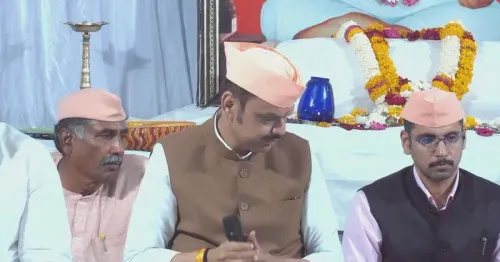
Fadnavis stayed overnight at the home of the Balpande farmer family in Lohari Sawanga, a village in the Nagpur belt — a region that has long been both his political base and a pocket of agrarian activity. The visit was not a stage-managed rally. By his account, he sat with farmers for an open conversation, took in the stillness of the rural surroundings, and began the festival morning with the household's traditional rituals.
The gesture fits a broader pattern in Maharashtra's political culture: chief ministers and senior leaders periodically anchor themselves in rural settings around major festivals to signal proximity to the state's large farming community. What sets this occasion apart is the overnight nature of the stay — a step beyond a brief stage appearance.
Nagpur's weight in Fadnavis's political story
Nagpur is more than a constituency for Fadnavis — it is the city that made him. He has represented Nagpur South West in the state assembly across multiple terms, and the region's farmer communities have been a consistent audience for his outreach. The Vidarbha region, of which Nagpur is the urban anchor, has historically been associated with agrarian distress, making visible engagement with farming families politically and symbolically significant for any Maharashtra government.
Festival season, rural pulse
Diwali visits to villages have become a recognisable feature of election-cycle and governance calendars in Maharashtra. For Fadnavis, the optics are deliberate: sitting on a farmer's threshold at dawn, accepting a family's aukshan, and describing the village air as 'prasann' — serene and joyful — frames the Chief Minister as someone who chooses rural company when he could choose comfort. Whether the visit is followed by concrete announcements on agriculture in the coming weeks will be the more consequential measure.
Point of View
Being seen at a farmer's threshold at dawn is both an affirmation of his Nagpur roots and a statement of governing intent toward rural Maharashtra. The harder question — whether such visits translate into measurable policy follow-through on agriculture — will define how the gesture is ultimately read by the constituency it courts.
NationPress
8 Nov 2026
Frequently Asked Questions
Where did CM Fadnavis spend Diwali 2026?
CM Devendra Fadnavis spent Diwali night at the home of the Balpande farmer family in Lohari Sawanga village near Nagpur, Maharashtra.
What is an aukshan ceremony?
An aukshan is a traditional Maharashtrian welcoming ritual in which family members perform a ceremonial gesture — typically involving a lamp — to honour a guest or mark an auspicious occasion.
Why does Devendra Fadnavis visit villages during festivals?
Fadnavis, like other Maharashtra leaders, periodically visits rural communities during festivals to engage directly with farmers — a tradition of outreach that is both politically significant and culturally rooted in the state.
What is Lohari Sawanga village?
Lohari Sawanga is a village in the Nagpur region of Maharashtra, located in the Vidarbha belt — an area historically associated with farming communities and agrarian issues.
What is Devendra Fadnavis's connection to Nagpur?
Nagpur is Fadnavis's long-standing political base; he has represented the Nagpur South West assembly constituency across multiple terms and considers the region central to his political identity.