CM Rekha Gupta Backs Shah's Call for Green Delhi Drive
Synopsis
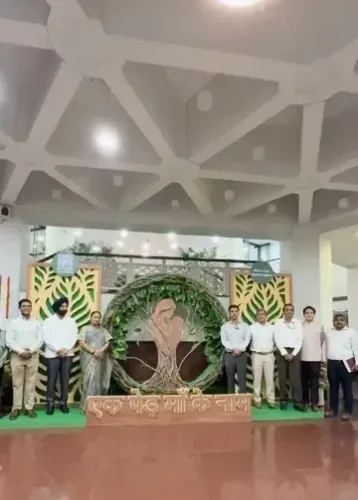
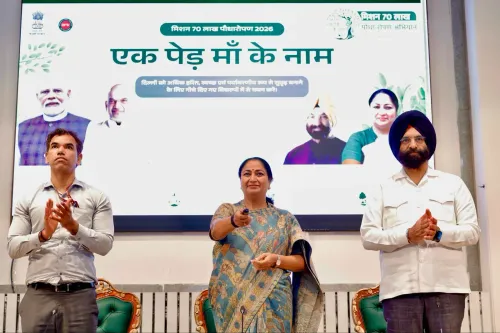
Delhi Chief Minister Rekha Gupta on 7 July 2026 amplified Home Minister Amit Shah's appeal for all Delhi residents to use the Green Drive Portal to book tree-plantation slots at schools, colonies, temples and societies, linking the drive to the national 'Ek Ped Maa Ke Naam' campaign.
Key Takeaways
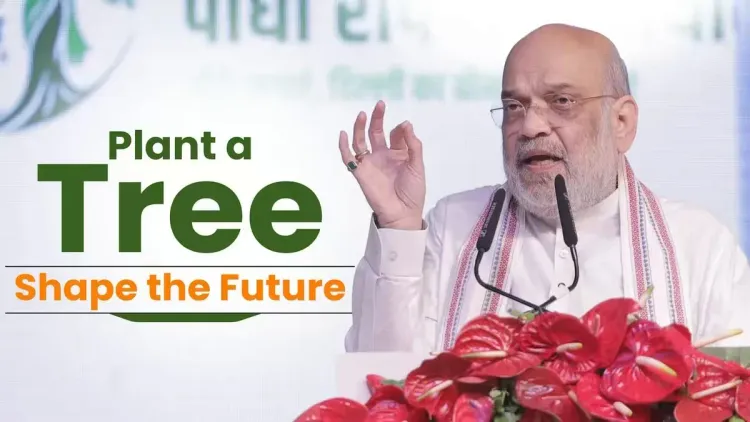
Delhi CM Rekha Gupta shared Home Minister Amit Shah 's address on 7 July 2026 calling on all Delhi residents to plant trees.
Residents are urged to visit the Green Drive Portal and book a slot to receive and plant a sapling.
Priority plantation sites include schools, residential colonies, temples, and housing societies where land is available.
The drive is linked to the national 'Ek Ped Maa Ke Naam' campaign launched in 2024 for citizen-led afforestation.
The campaign carries an intergenerational message, with Shah noting that grandchildren will benefit from the shade of trees planted today.
The upcoming monsoon season (July-August 2026) is the critical window for sapling survival and plantation outcomes.
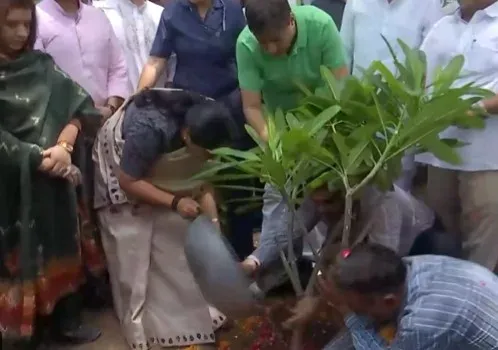
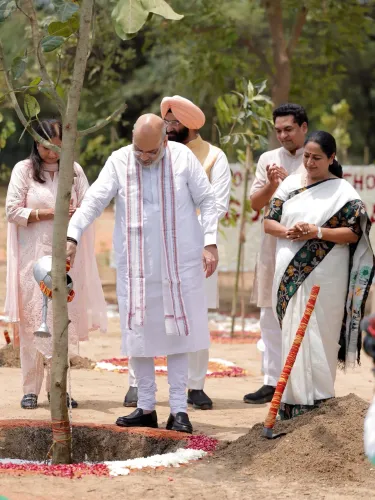
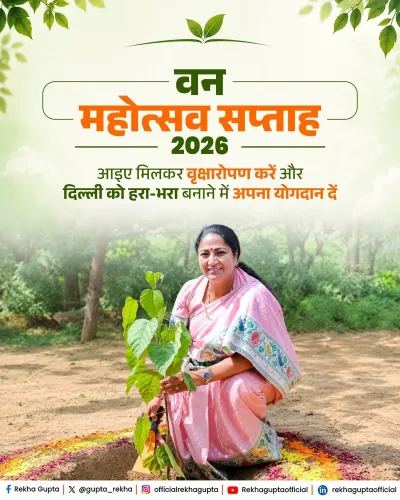
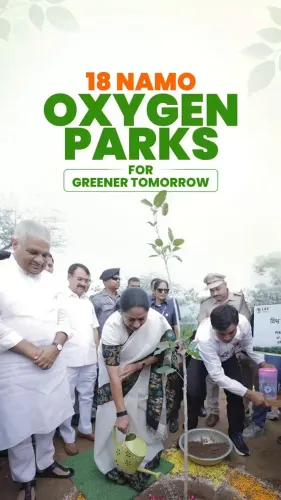
Delhi Chief Minister Rekha Gupta on Tuesday, 7 July 2026 amplified a call by Union Home Minister Amit Shah urging all Delhi residents to visit the Green Drive Portal, book a tree-plantation slot, and plant saplings across schools, colonies, temples, and housing societies to realise the vision of a greener national capital.
Context
Sharing Home Minister Shah's address, CM Gupta quoted him directly: 'ग्रीन ड्राइव पोर्टल पर जाकर एक पौधा मांगेंगे, एक पौधा बोएंगे' — 'Go to the Green Drive Portal, request a sapling, plant a sapling' — and added that the trees selected are of a mature species, so that, in Shah's words, 'your grandchildren will also sit in the shade of that very tree.' The appeal was made from a public platform and directed at every resident of the capital.
The post carries the hashtags #GreenDelhi and #EkPedMaaKeNaam, linking the Delhi drive to the national tree-plantation campaign 'Ek Ped Maa Ke Naam' (One Tree in Mother's Name), which was launched in 2024 to encourage citizen-led afforestation across India.
Policy Backdrop
Delhi has long grappled with severe seasonal air pollution, making urban greening a recurring policy priority for successive administrations. The Green India Mission, a long-running national programme, laid the groundwork for community-based plantation initiatives by emphasising long-term ecological benefits and local participation.
The 'Ek Ped Maa Ke Naam' campaign extended that ethos to a mass-mobilisation model, asking citizens to plant trees as a personal tribute. The Green Drive Portal operationalises this by allowing residents to book specific slots and locations, turning an aspirational goal into a scheduled, trackable civic act. The BJP-led government in Delhi has aligned local environmental messaging closely with this national framework.
Stakeholders and Impact
The primary beneficiaries are Delhi's approximately 2 crore residents, who face some of the country's worst air-quality indices during winter months. Schools, residential colonies, temples, and housing societies are identified as priority plantation sites — spaces with available land and high community footfall that can maximise both ecological and social impact.
Local communities are cast as active participants rather than passive recipients, a model that urban ecologists argue improves long-term sapling survival rates because residents feel ownership over the green cover near their homes. The drive also carries an intergenerational message, with Shah's imagery of grandchildren enjoying shade underscoring the decades-long horizon of tree-growth benefits.
What's Next
Attention will now turn to actual booking volumes on the Green Drive Portal and the number of saplings planted before and during the upcoming monsoon season — traditionally the optimal window for tree plantation in northern India. Monsoon rains improve sapling survival rates significantly, making July and August 2026 a critical period for the drive's early metrics.
Sustained follow-through — including maintenance of planted saplings and transparent reporting of green-cover gains — will determine whether this campaign translates into measurable environmental improvement for Delhi, or remains primarily a mobilisation exercise.
Point of View
CM Rekha Gupta reinforces a pattern of aligning Delhi's local governance narrative tightly with central BJP leadership — lending the Green Drive the weight of a Union-level mandate. The 'Ek Ped Maa Ke Naam' hashtag is a deliberate bridge between a city-level portal and a pan-India campaign, helping the party demonstrate environmental credibility ahead of future electoral cycles. The portal-and-slot model is a notable shift from top-down plantation drives toward measurable citizen participation, though independent verification of outcomes will be the real test. If booking data and survival rates are made public, this could set a useful benchmark for urban greening accountability in India.
NationPress
6 Oct 2026
Frequently Asked Questions
What is the Green Drive Portal Delhi?
The Green Drive Portal is an online platform where Delhi residents can request a sapling and book a specific slot to plant it at locations such as schools, colonies, temples, or housing societies as part of the city's urban greening drive.
What is 'Ek Ped Maa Ke Naam'?
'Ek Ped Maa Ke Naam' (One Tree in Mother's Name) is a national tree-plantation campaign launched in 2024 to encourage citizens across India to plant trees as a personal tribute, promoting large-scale afforestation.
What did Amit Shah say about the Green Delhi campaign?
Home Minister Amit Shah urged all Delhi residents to visit the Green Drive Portal, book a plantation slot, and plant trees wherever land is available — in schools, colonies, temples, and societies — to fulfil the resolve of a green Delhi.
Why is tree plantation important for Delhi?
Delhi faces severe seasonal air pollution, and expanding urban green cover is seen as a long-term measure to improve air quality, reduce the urban heat island effect, and enhance the ecological health of the densely populated city.
How can Delhi residents participate in the Green Drive?
Residents can go to the Green Drive Portal online, request a sapling, and book a slot to plant it at an available site near their home, school, colony, temple, or housing society.