CM Rekha Gupta Launches Mission Green Delhi on World Environment Day
Synopsis
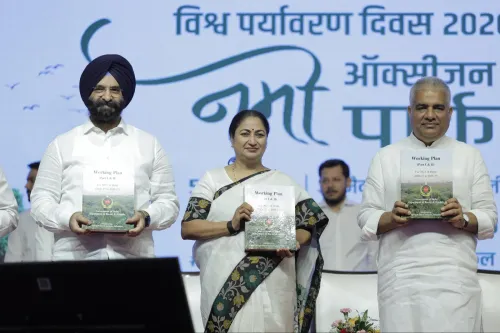
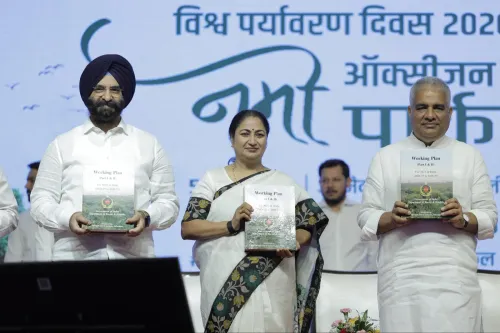
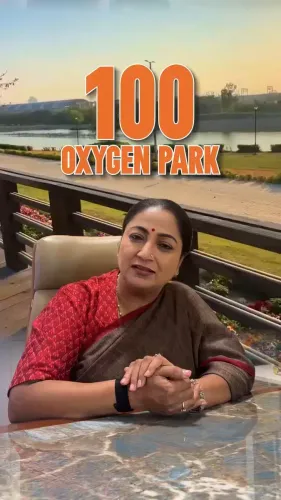
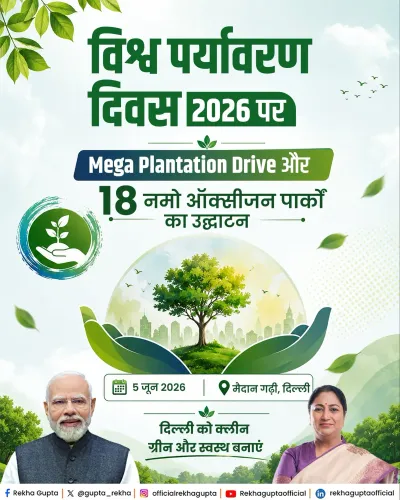
Delhi Chief Minister Rekha Gupta marked World Environment Day on 5 June 2026 by launching Mission Green Delhi, a Mega Plantation Drive paired with 18 Namo Oxygen Parks aimed at expanding the capital's green cover and improving air quality.
Key Takeaways
Delhi CM Rekha Gupta announced Mission Green Delhi on World Environment Day, 5 June 2026 .
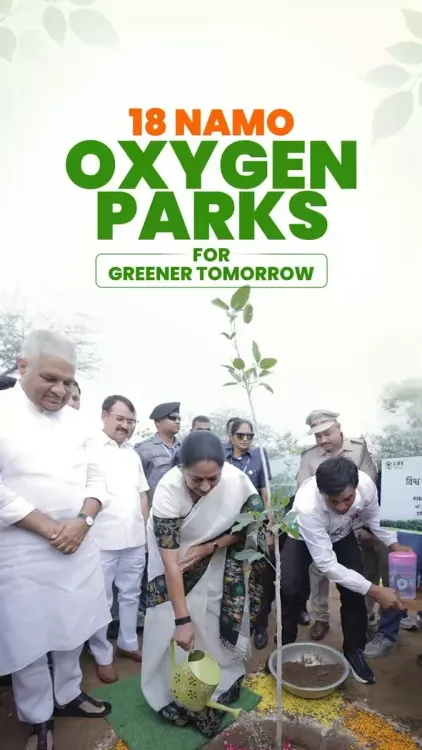
The campaign includes a Mega Plantation Drive and 18 Namo Oxygen Parks across the capital.
Citizens are invited to plant, nurture, and care for saplings under the #DelhiGreenWarrior initiative.
The drive aligns with national campaigns including PM Modi's 'Ek Ped Maa Ke Naam' and the National Mission for a Green India (launched 2014 ).
Sapling survival rates and park maintenance budgets will be key indicators of the campaign's long-term impact.
Delhi Chief Minister Rekha Gupta on Friday, 5 June 2026 called on citizens to join Mission Green Delhi, anchoring the appeal to World Environment Day with an announcement of a Mega Plantation Drive and 18 Namo Oxygen Parks across the capital.
Context
World Environment Day, observed annually on 5 June under the United Nations framework, has become a fixture for Indian governments to launch or amplify urban greening campaigns. Delhi, which faces chronic air-pollution challenges, has seen successive administrations time plantation drives to the occasion. Chief Minister Gupta's post urges residents to 'plant a sapling, nurture it, help it grow' — framing the drive as a collective civic responsibility under the hashtag #DelhiGreenWarrior.
The announcement positions Mission Green Delhi as the city government's flagship environmental campaign, combining a large-scale plantation event with the rollout of dedicated Namo Oxygen Parks — dense urban forestry sites intended to measurably improve local air quality.
Policy Backdrop
The initiative sits within a broader national afforestation push. The National Mission for a Green India, launched in 2014 under India's National Action Plan on Climate Change, set the template for state-level urban forestry programmes. More recently, Prime Minister Narendra Modi's 'Ek Ped Maa Ke Naam' (A Tree in Mother's Name) campaign, announced in 2024, has encouraged citizen participation in plantation drives across all states.
Delhi's Namo Oxygen Parks follow a pattern visible in other Indian cities of branding urban green spaces around air-quality outcomes — a direct response to the capital's persistent particulate-matter problem. Aligning the parks' nomenclature with the national campaign signals an intent to draw on central government momentum and citizen goodwill simultaneously.
Stakeholders and Impact
Delhi's roughly 2 crore residents stand as the primary beneficiaries if the plantation drive achieves meaningful canopy expansion. Municipal bodies will bear responsibility for site preparation, sapling procurement, and the critical post-planting maintenance that determines survival rates. Urban greening experts consistently note that sapling mortality — not planting numbers — is the decisive metric for any such drive.
The campaign also carries political salience: the BJP-led city government is keen to demonstrate tangible environmental governance, an area where Delhi has faced sustained public scrutiny. Citizen groups and resident welfare associations are natural partners for the 'nurture it, help it grow' ethos the Chief Minister is promoting.
What's Next
Attention will turn to official data on sapling survival rates and any budget allocations earmarked for maintaining the 18 Namo Oxygen Parks in the coming fiscal cycle. Sustained funding and community stewardship — rather than the planting event itself — will determine whether Mission Green Delhi delivers lasting gains in urban green cover and air quality for the capital.
Point of View
Chief Minister Rekha Gupta is making a deliberate effort to tie the BJP-led Delhi government's identity to environmental governance — an arena where the capital's air-quality record has long been a political liability. The Namo Oxygen Parks branding is a calculated alignment with the Centre, echoing PM Modi's own plantation campaigns and reinforcing cooperative optics between the state and national leadership. The drive follows a well-worn playbook of Indian urban forestry announcements, where the real test is not the launch event but the post-planting maintenance infrastructure. If survival-rate data is made public and parks are operationalised on schedule, the initiative could mark a meaningful shift; if not, it risks joining a long list of Delhi greening pledges that faded after the headline moment.
NationPress
22 Sept 2026
Frequently Asked Questions
What is Mission Green Delhi?
Mission Green Delhi is a Delhi government campaign to expand urban green cover through large-scale tree plantation drives and the development of dedicated green spaces called Namo Oxygen Parks.
What are Namo Oxygen Parks in Delhi?
Namo Oxygen Parks are planned dense plantation sites in Delhi designed to improve local air quality by significantly increasing tree cover in urban areas.
Why did CM Rekha Gupta announce the plantation drive on 5 June?
5 June is World Environment Day , the United Nations-designated annual observance on environmental awareness, making it a symbolic occasion for launching or amplifying green initiatives.
How does Mission Green Delhi relate to PM Modi's plantation campaign?
Mission Green Delhi aligns with the national 'Ek Ped Maa Ke Naam' campaign announced by PM Modi in 2024, which encourages citizen-led tree planting across all Indian states.
What will determine if Delhi's plantation drive is successful?
Experts point to sapling survival rates and sustained budget allocations for park maintenance — rather than the number of saplings planted on the day — as the true measures of success.