Delhi CM Rekha Gupta opens 18 Namo Oxygen Parks, pledges 15 lakh saplings
Synopsis
On World Environment Day 2026, Delhi CM Rekha Gupta and Union Minister Bhupender Yadav opened 18 Namo Oxygen Parks and pledged 15 lakh new saplings — but with Delhi perennially topping global pollution charts, the real test will be whether local caretaking committees and road-carpeting plans translate into measurable air quality gains.
Key Takeaways
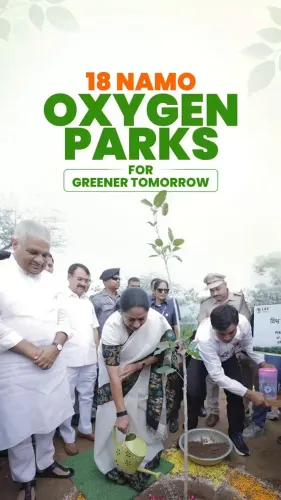
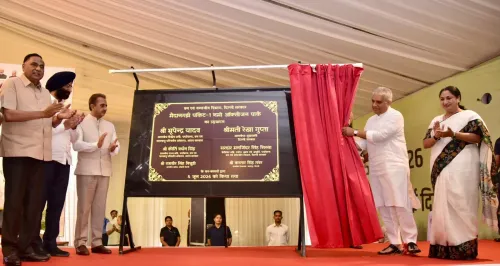
Delhi CM Rekha Gupta and Union Minister Bhupender Yadav inaugurated 18 Namo Oxygen Parks on 5 June 2026 — World Environment Day.
The government pledged to plant more than 15 lakh saplings under the 'Ek Ped Maa Ke Naam' campaign.
The flagship event was held at Namo Oxygen Park, Maidangarhi , New Delhi.
Anti-pollution steps announced include wall-to-wall road carpeting , Online Continuous Emission Monitoring Systems , and accelerated electric mobility transition.
The Delhi government, in coordination with the CAQM , is targeting road dust, vehicular emissions, and industrial pollution.
Local caretaking committees are proposed to monitor sapling survival and growth.
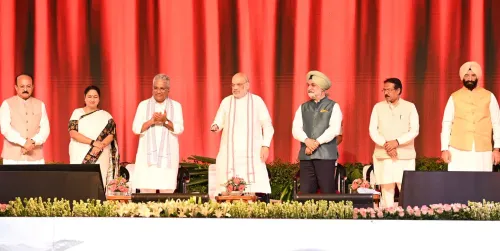
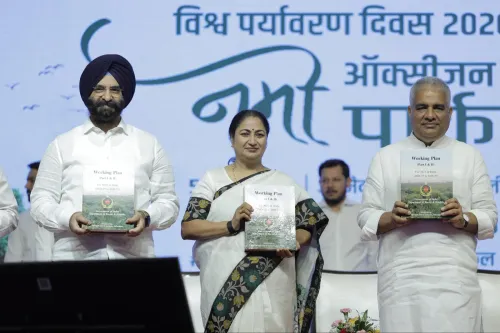
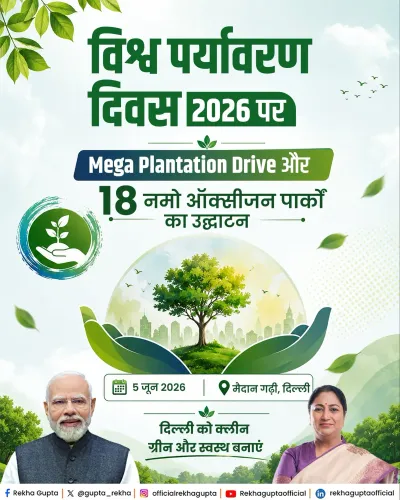
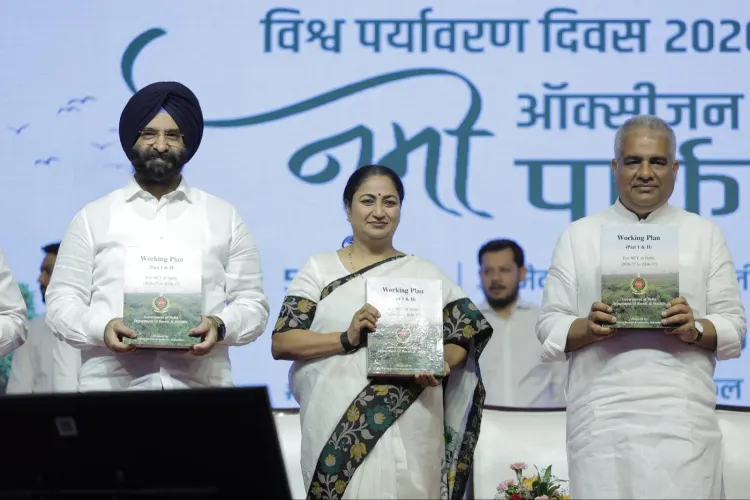
Delhi Chief Minister Rekha Gupta on Friday, 5 June 2026 — World Environment Day — inaugurated 18 Namo Oxygen Parks across the national capital and announced a drive to plant more than 15 lakh saplings, framing the initiative as a corrective to what she described as years of environmental neglect by previous administrations. The flagship event was held at the Namo Oxygen Park in Maidangarhi.
Union Environment Minister Bhupender Yadav jointly inaugurated the parks alongside Chief Minister Gupta and launched a suite of environmental programmes under the nationwide campaign 'Ek Ped Maa Ke Naam' (One Tree in the Name of Mother), according to an official statement.
What the Namo Oxygen Parks Offer
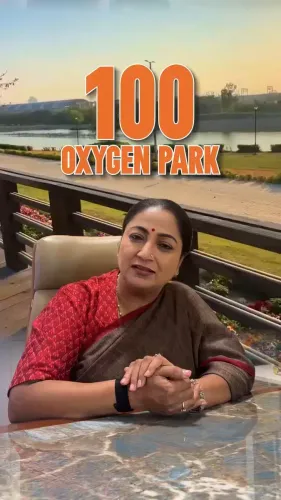
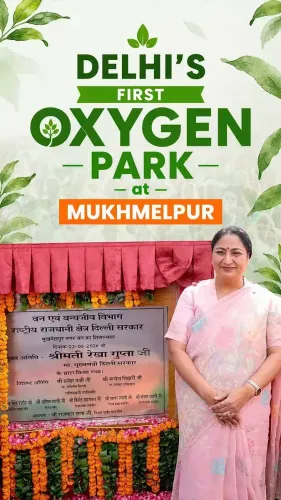
Union Minister Yadav described the 18 parks as urban green lungs designed to improve air quality, enhance biodiversity, and provide recreational spaces for Delhi's residents. The parks are part of a broader national greening push that also includes the development of Namo Vans and similar ecological assets in cities across India.
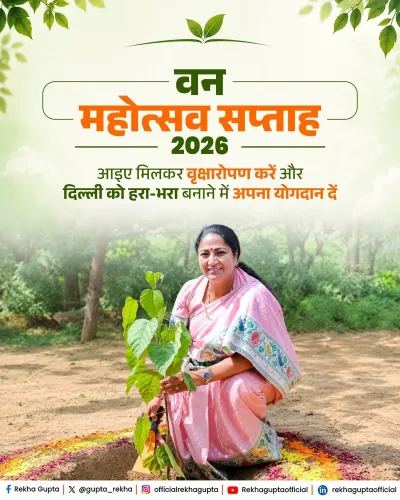
Chief Minister Gupta urged citizens to join the plantation drive and called for the formation of local caretaking committees to nurture the saplings until they mature into trees. 'I urge all Delhi residents to join the esteemed Prime Minister's 'One Tree in the Name of Mother' campaign, plant a sapling, care for it, and become a part of the Green Delhi Mission,' she said in a post on social media platform X.
Air Pollution Measures Announced
Beyond tree plantation, Chief Minister Gupta outlined proactive steps the Delhi government plans to take ahead of the winter pollution season. These include wall-to-wall carpeting of all roads to suppress dust clouds — one of the capital's most persistent air quality triggers.
Union Minister Yadav noted that the Delhi government, in coordination with the Commission for Air Quality Management (CAQM), is addressing major pollution sources including road dust, vehicular emissions, and industrial discharge. Specific measures include the installation of Online Continuous Emission Monitoring Systems, deployment of Air Pollution Control Devices, mechanised deep cleaning of roads, and an accelerated shift towards electric mobility.
Political Context
Chief Minister Gupta, whose government is just over a year old, acknowledged the guidance of Prime Minister Narendra Modi, Union Home Minister Amit Shah, and Union Minister Yadav in shaping the administration's pollution-combat strategy. Her remarks implicitly targeted previous Delhi administrations, which she accused of failing to take substantive environmental action — a charge that critics of the current government are likely to contest given Delhi's persistently poor air quality rankings.
This comes amid long-standing pressure on the national capital, which routinely ranks among the world's most polluted cities during winter months. The Maidangarhi inauguration is being positioned as the starting point of a sustained, community-led greening effort rather than a one-day symbolic exercise.
What Comes Next
The Delhi government has indicated that the 15 lakh sapling target will be pursued in a long-term, sustained manner rather than a single plantation event. With local caretaking committees proposed as a monitoring mechanism, the administration's ability to ensure sapling survival rates — historically a weak link in urban plantation drives — will be closely watched by environmental observers and opposition alike.
Point of View
But the Gupta administration is attempting to add operational substance — caretaking committees, road carpeting, CAQM coordination — that past drives lacked. The harder question is survival rate: India's urban plantation campaigns have a chronic gap between saplings planted and trees that actually grow. Without a public dashboard tracking sapling survival and air quality deltas at each park, the 15 lakh figure risks becoming another headline number. Delhi's air quality crisis is structural, driven by stubble burning, transport, and industry across three states — and no number of city parks alone will resolve it.
NationPress
22 Sept 2026
Frequently Asked Questions
What are the Namo Oxygen Parks inaugurated in Delhi?
The Namo Oxygen Parks are 18 urban green spaces inaugurated across Delhi on 5 June 2026 by Chief Minister Rekha Gupta and Union Minister Bhupender Yadav. They are designed to serve as green lungs that improve air quality, boost biodiversity, and offer recreational areas for residents.
How many saplings will Delhi plant under this drive?
The Delhi government has pledged to plant more than 15 lakh saplings under the 'Ek Ped Maa Ke Naam' campaign. The drive is intended to be long-term and sustained, with local caretaking committees proposed to ensure the saplings grow into full trees.
What other anti-pollution measures did the Delhi government announce?
Chief Minister Gupta announced wall-to-wall carpeting of all roads to curb dust, while Union Minister Yadav cited installation of Online Continuous Emission Monitoring Systems, Air Pollution Control Devices, mechanised road cleaning, and accelerated electric mobility transition — all in coordination with the CAQM.
What is the 'Ek Ped Maa Ke Naam' campaign?
'Ek Ped Maa Ke Naam' — One Tree in the Name of Mother — is a nationwide campaign championed by Prime Minister Narendra Modi that encourages citizens to plant and care for a tree as a tribute to their mothers. The Delhi government has linked its 15 lakh sapling drive to this campaign.
Where was the main inauguration event held?
The main event was held at the Namo Oxygen Park in Maidangarhi, New Delhi, on World Environment Day, 5 June 2026.