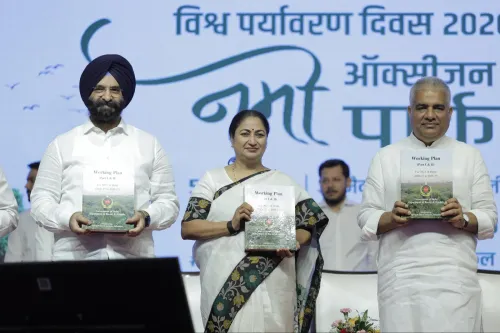
CM Rekha Gupta Launches Green Drive, Namo Oxygen Parks on World Environment Day
Synopsis
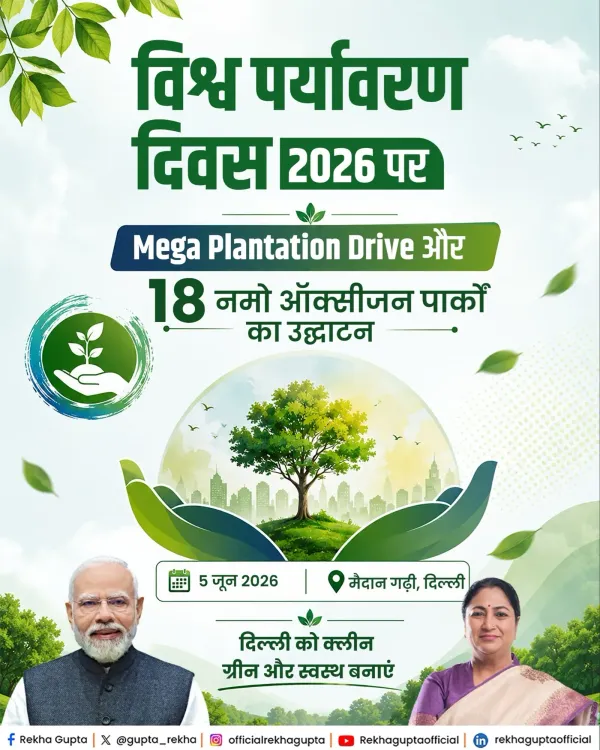
On World Environment Day 2026, Delhi Chief Minister Rekha Gupta launched a mega plantation drive and inaugurated Namo Oxygen Parks, calling on residents to join PM Modi's Ek Ped Maa Ke Naam campaign as part of the Clean, Green and Healthy Delhi Mission.
Key Takeaways
Delhi CM Rekha Gupta announced a mega plantation drive on World Environment Day, 5 June 2026 .
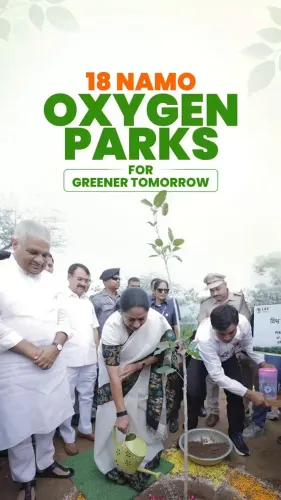
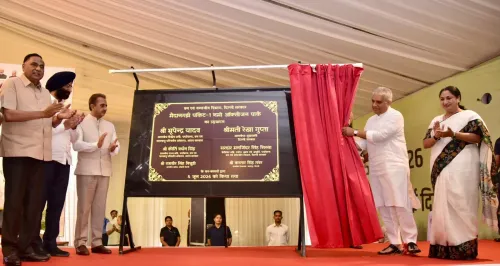
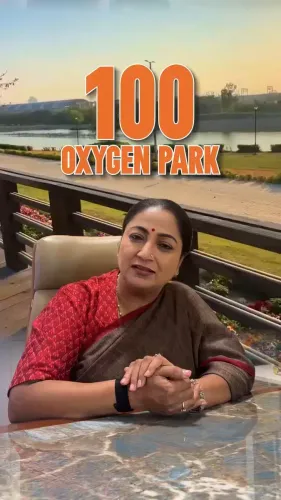
The government inaugurated Namo Oxygen Parks as part of the Clean, Green and Healthy Delhi Mission.
CM Gupta urged all Delhi residents to participate in the Ek Ped Maa Ke Naam (One Tree in Mother's Name) campaign by planting at least one sapling.
The Ek Ped Maa Ke Naam campaign was originally launched nationally by Prime Minister Narendra Modi on World Environment Day 2024 .
Delhi faces chronic air pollution, making large-scale urban greening a recurring policy priority for successive governments.
Post-plantation survival rates and long-term park maintenance remain key benchmarks for measuring the initiative's real-world impact.
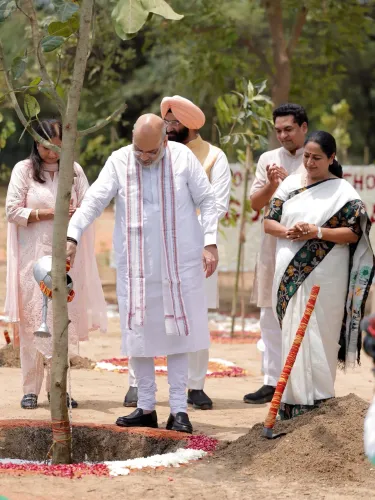
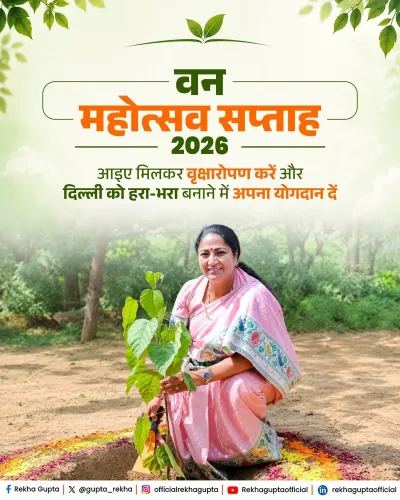
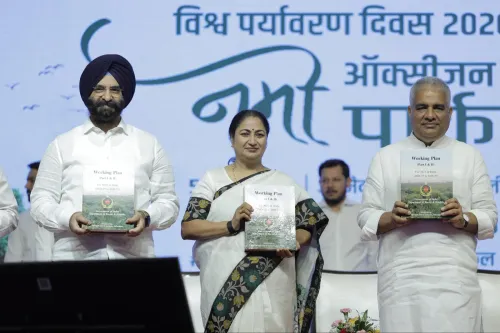
Delhi Chief Minister Rekha Gupta on Friday, 5 June 2026 launched a mega plantation drive and inaugurated a series of Namo Oxygen Parks across the capital, framing the initiative as a mass public movement under the city's clean and green mission. The announcements coincided with World Environment Day, the annual global observance held every 5 June to promote environmental awareness and action.
Posting on X in Hindi, CM Gupta said: 'विश्व पर्यावरण दिवस पर हम मेगा प्लांटेशन ड्राइव और 18 नमो ऑक्सीजन पार्कों के उद्घाटन के साथ स्वच्छ, ग्रीन और स्वस्थ दिल्ली मिशन को जनअभियान बना रहे हैं।' — translated: 'On World Environment Day, we are turning the Clean, Green and Healthy Delhi Mission into a people's movement with a mega plantation drive and the inauguration of 18 Namo Oxygen Parks.' She also urged every resident of Delhi to join the Ek Ped Maa Ke Naam (One Tree in Mother's Name) campaign and plant at least one sapling.
Context
The Ek Ped Maa Ke Naam campaign was originally launched nationwide by Prime Minister Narendra Modi on World Environment Day 2024, encouraging citizens to plant a tree as a tribute to their mothers. CM Gupta's call on Thursday extends that national campaign into a Delhi-specific drive, tying it to the broader 'Clean, Green and Healthy Delhi' mission her administration has championed since taking office.
Delhi has long grappled with some of the worst urban air quality in the world, driven by vehicular emissions, industrial activity, crop stubble burning in neighbouring states, and rapid construction. Large-scale tree plantation efforts have become a recurring policy response, particularly around high-visibility dates such as World Environment Day.
Policy Backdrop
The inauguration of Namo Oxygen Parks reflects a strategy to create dedicated green lungs within the densely populated urban fabric of the capital. Such parks are designed to increase the city's green cover, improve localised air quality, and provide residents with accessible public green spaces. The naming convention aligns the initiative with the broader national branding associated with Prime Minister Modi's environmental programmes.
Urban greening in Delhi has historically faced challenges around land availability, maintenance funding, and — critically — the survival rate of saplings planted during mass drives. Environmental advocates have consistently argued that post-plantation monitoring is as important as the planting event itself.
Stakeholders and Impact
Delhi's roughly 2 crore residents stand as the primary stakeholders, particularly those in densely built neighbourhoods with limited green cover. Environmental volunteers and resident welfare associations are expected to serve as ground-level partners in sustaining the plantation drive beyond the symbolic World Environment Day moment.
The initiative also carries political significance: the BJP-led Delhi government is keen to demonstrate tangible environmental action in a city where air quality has been a persistent electoral and governance flashpoint. Aligning with a campaign launched by PM Modi reinforces the ideological and organisational continuity between the state and central governments.
What's Next
The immediate focus will be on whether the saplings planted during the mega drive receive adequate follow-up care to ensure survival through Delhi's harsh summer months. Expansion of the Namo Oxygen Parks model to other parts of the city and integration with the broader urban forestry plan will be key indicators of the initiative's long-term ambition. Independent environmental groups are likely to track tree survival rates and green-cover data as benchmarks against which the campaign's actual impact can be measured.
Point of View
Reinforcing centre-state ideological coherence. Framing the drive as a 'jan andolan' (people's movement) is a deliberate rhetorical choice, echoing the participatory language the BJP has used for flagship schemes from Swachh Bharat to Fit India. For a city government still consolidating its identity after years of fractious politics, visible environmental action on a globally resonant date offers a low-risk, high-visibility dividend. The harder test will come in the months that follow, when tree survival data and park utilisation figures will speak louder than inauguration ceremonies.
NationPress
21 Sept 2026
Frequently Asked Questions
What did Delhi CM Rekha Gupta announce on World Environment Day 2026?
CM Rekha Gupta announced a mega plantation drive and the inauguration of Namo Oxygen Parks in Delhi on 5 June 2026 , urging residents to join the Ek Ped Maa Ke Naam campaign and plant a sapling.
What is the Ek Ped Maa Ke Naam campaign?
Ek Ped Maa Ke Naam (One Tree in Mother's Name) is a national tree plantation campaign launched by Prime Minister Narendra Modi on World Environment Day 2024 , encouraging citizens to plant a tree as a tribute to their mothers.
What are Namo Oxygen Parks in Delhi?
Namo Oxygen Parks are dedicated green spaces being developed in Delhi to increase urban green cover, improve localised air quality, and provide accessible public parks for residents in densely populated areas.
Why is tree plantation important for Delhi?
Delhi suffers from some of the worst urban air pollution in the world, caused by vehicular emissions, industrial activity, and seasonal crop burning. Expanding green cover through plantation drives and oxygen parks is a key strategy to improve air quality and create urban breathing spaces.
How can Delhi residents participate in the green drive?
Residents can join the Ek Ped Maa Ke Naam campaign by planting at least one sapling, as urged by CM Rekha Gupta . The drive is being run as a public movement under the Clean, Green and Healthy Delhi Mission .