CM Rekha Gupta launches metro boost and new block for DU women's colleges

Synopsis
Delhi CM Rekha Gupta announces dedicated metro services every 30 minutes connecting Laxmi Nagar to Gargi College and Green Park to Kamala Nehru College during college hours, alongside a new Vande Mataram Academic Block at Kamala Nehru College.
Key Takeaways
30-minute metro frequency introduced during college commute hours on two routes serving Delhi University women's colleges.
Laxmi Nagar Metro Station (Blue Line) now linked to Gargi College in South Delhi's Siri Fort area.
Green Park Metro Station (Yellow Line) now linked to Kamala Nehru College on August Kranti Marg.
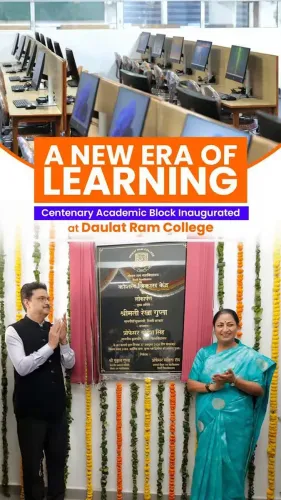
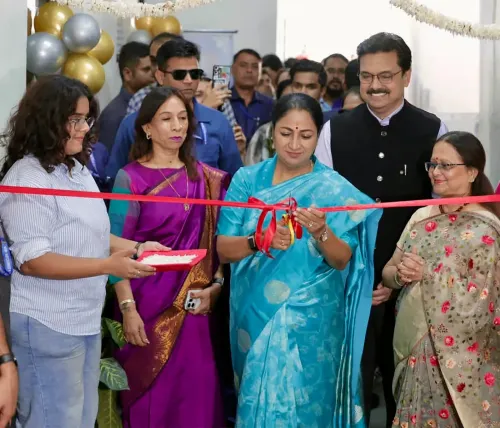
A new Vande Mataram Academic Block inaugurated at Kamala Nehru College, expanding its physical infrastructure.
The move is framed as a safety-first initiative for female students commuting across the capital.
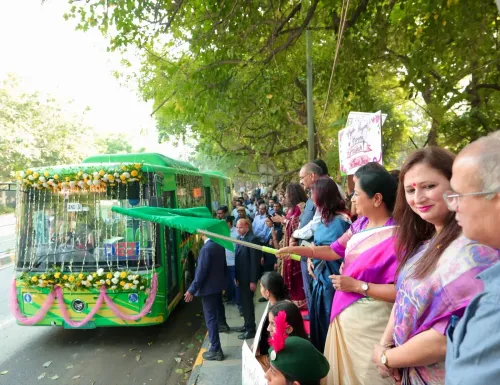
Two of Delhi's most prominent women's colleges just got a direct metro upgrade — and a new academic landmark to go with it. Delhi Chief Minister Rekha Gupta on Saturday, November 21, 2026 announced enhanced metro connectivity linking Laxmi Nagar Metro Station to Gargi College and Green Park Metro Station to Kamala Nehru College, with services running every 30 minutes during college commute hours. She also unveiled a new academic facility — the 'Vande Mataram' Academic Block — at Kamala Nehru College.
A direct ride for Delhi's daughters
The announcement targets a pain point that female students at Delhi University's south and east campus colleges have long flagged: the last-mile gap between metro stations and college gates. Gargi College, situated in the Siri Fort area of South Delhi, and Kamala Nehru College on August Kranti Marg draw thousands of students daily from across the capital. Dedicated services on the Blue Line from Laxmi Nagar and the Yellow Line from Green Park, timed to morning and evening college hours, are designed to reduce the dependence on autos and shared cabs — the segments of the commute most associated with safety concerns.
CM Gupta framed the move squarely around safety: 'Our daughters now have safer, easier rides every 30 minutes during college commute hours,' she wrote, using the hashtag #ViksitDelhi — 'Developed Delhi.'
The 'Vande Mataram' block at Kamala Nehru College
Beyond transport, the announcement adds a symbolic and infrastructural dimension at Kamala Nehru College itself. The new Vande Mataram Academic Block — named after India's national song — signals a push to expand physical capacity at an institution known for its humanities and social sciences programmes. Delhi Metro, operated by the DMRC, has been a cornerstone of the capital's urban mobility strategy since it introduced women-only coaches in the late 2000s; this latest frequency enhancement builds on that safety-first legacy.
Women's mobility as an urban policy signal
The twin announcement fits a broader pattern in Delhi's urban planning: linking metro frequency upgrades directly to key educational hubs, making the case that safe transit and institutional investment move together. For students commuting from east Delhi's dense residential belt around Laxmi Nagar, the Blue Line connection to Gargi College cuts through one of the city's busiest transport corridors. The 30-minute frequency during peak hours is a concrete, measurable commitment — one that commuters, parents, and college administrators will be watching closely as the rollout unfolds.
Whether the stated frequency holds through exam seasons and Delhi's notorious rush-hour crunch will be the real test of this pledge.
Point of View
Targeting women students at premier Delhi University colleges is a high-visibility, low-friction policy move that speaks to both safety and aspiration in one breath. The 30-minute frequency pledge is specific enough to be held accountable, which is a double-edged choice: it signals confidence but also sets a measurable bar that commuters will grade in real time. Longer term, the pattern of aligning metro enhancements with named educational landmarks could become a template for further announcements across Delhi's university belt.
NationPress
21 Nov 2026
Frequently Asked Questions
Which metro station connects to Gargi College under the new service?
Laxmi Nagar Metro Station on the Blue Line is the designated connection point for Gargi College under the new service announced by Delhi CM Rekha Gupta.
How often will the metro run to Kamala Nehru College?
Services from Green Park Metro Station to Kamala Nehru College are scheduled every 30 minutes during college commute hours, according to CM Gupta's announcement.
What is the Vande Mataram Academic Block at Kamala Nehru College?
The Vande Mataram Academic Block is a newly named academic facility at Kamala Nehru College, announced by Delhi CM Rekha Gupta as part of the same infrastructure push for the women's college.
Where is Gargi College located in Delhi?
Gargi College is a Delhi University women's college located in the Siri Fort area of South Delhi.
Is this metro service only for women students?
CM Gupta framed the enhanced metro frequency as a safety and convenience measure specifically for female college students, though no details were given about whether the services are exclusively reserved for women.