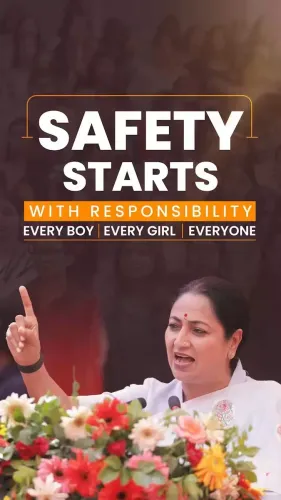
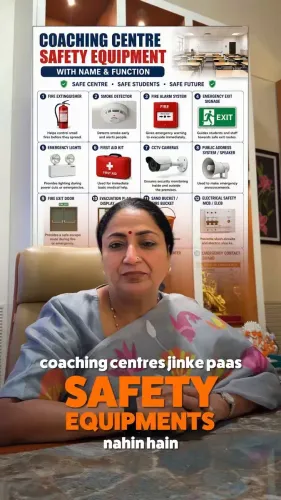
CM Rekha Gupta meets Delhi University women leaders on campus safety

Synopsis
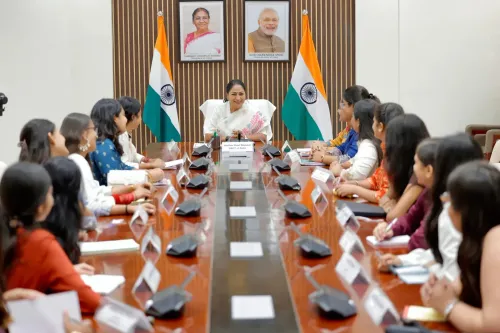
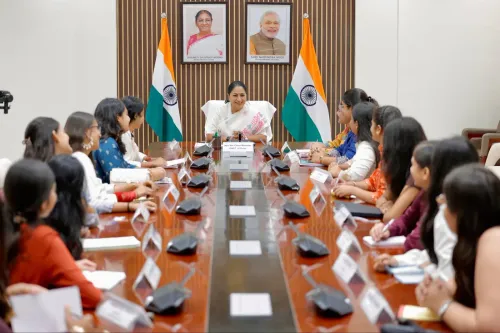
Delhi Chief Minister Rekha Gupta met women student leaders from Delhi University on October 13 under the #CampusConnectWithCM initiative, pledging to convert conversations on campus safety, facilities, and student concerns into concrete policy action.
Key Takeaways
Delhi CM Rekha Gupta held a direct interaction with women student leaders from Delhi University on October 13, 2026 .
The session centred on campus safety, better facilities, and student concerns specific to women.
Gupta committed that the dialogue would lead to 'practical solutions and lasting change', not just acknowledgement.
The initiative was tagged #CampusConnectWithCM , suggesting a structured, recurring engagement format.
Delhi's campus safety agenda has been shaped since 2012 by post-Nirbhaya reforms including CCTV, helplines, and increased patrolling around educational institutions.
Follow-up announcements on safety protocols, facility upgrades, or grievance mechanisms will be the practical test of Tuesday's exchange.
Campus safety — and the fight to make it real — arrived at the top of Delhi's political agenda on Tuesday, October 13, when Delhi Chief Minister Rekha Gupta sat down with women student leaders from Delhi University to hear their concerns firsthand, signalling that the dialogue was meant to be a precursor to action, not a photo opportunity.
What the student leaders brought to the table
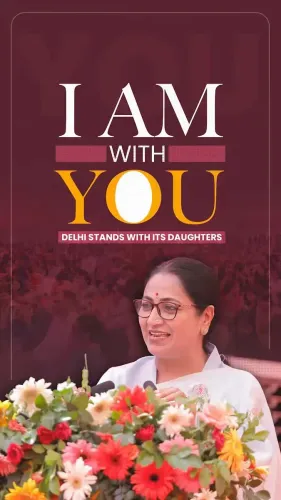
The #CampusConnectWithCM interaction covered three core areas: campus safety, better facilities, and the everyday concerns of women navigating one of India's largest public universities. Delhi University spans dozens of colleges across North and South Delhi, enrolling hundreds of thousands of students — women among the most numerically significant constituency. Chief Minister Gupta described the session as 'meaningful' and framed the engagement in unambiguous terms: 'Their concerns matter. Their voices matter. And their safety is non-negotiable.'
The directness of the framing matters. Rather than routing the conversation through administrative channels, the Chief Minister chose a face-to-face format with elected student leaders — a signal that the office intends to treat campus safety as a live governance priority rather than a standing agenda item.
A city still shaped by the shadow of Nirbhaya
Delhi's approach to women's safety in public and educational spaces has been indelibly marked by the 2012 Nirbhaya case, which triggered a nationwide reckoning and forced successive governments to move beyond rhetoric. In the years since, administrations of different political persuasions have deployed CCTV networks, dedicated helplines, and increased police patrolling around campuses and transport corridors — each measure a direct response to sustained pressure from students, activists, and civil society.
That lineage makes Gupta's outreach both politically resonant and institutionally significant. State governments that have built genuine grievance infrastructure — where a student's complaint reaches a decision-maker and generates a documented response — have consistently recorded higher trust scores among young women voters. The conversation, in other words, carries real stakes beyond goodwill.
From dialogue to delivery — the test ahead
Chief Minister Gupta was explicit that conversation must 'lead to practical solutions and lasting change.' What that means in practice is the question campus communities will now watch. Historically, such high-level dialogues in Indian higher education have produced mixed results: some delivering upgraded lighting, better hostel security, and functional internal complaints committees; others fading into bureaucratic follow-up.
The watch-list is concrete: any announcements on new safety protocols, facility upgrades, or grievance mechanisms specifically for Delhi University campuses in the weeks ahead will be the true measure of Tuesday's exchange.
A Chief Minister who listens well is necessary. One who converts those notes into budgets and timelines is what students are waiting for.
Point of View
Gupta is also setting a measurable benchmark: if follow-up infrastructure does not materialise, the post itself becomes a political liability. More broadly, this fits a nationwide pattern of state governments using student dialogue as a low-cost, high-visibility entry point into gender-safety governance — the real test, as always, is whether the conversation becomes a budget line.
NationPress
14 Oct 2026
Frequently Asked Questions
Why did Delhi CM Rekha Gupta meet Delhi University student leaders?
Chief Minister Rekha Gupta met women student leaders from Delhi University on October 13, 2026, to discuss campus safety, better facilities, and other concerns as part of the #CampusConnectWithCM initiative, with a stated goal of translating the dialogue into concrete policy action.
What is #CampusConnectWithCM?
#CampusConnectWithCM is the initiative hashtag used by Delhi CM Rekha Gupta for direct interactions with university student communities, focused on hearing campus-level concerns and committing to follow-up solutions.
What are the key safety concerns raised by Delhi University women students?
The interaction covered campus safety, better infrastructure and facilities, and the broader concerns of women students navigating Delhi University's sprawling multi-college campus network. Specific demands from the session have not yet been made public.
What safety measures already exist on Delhi University campuses?
Since the 2012 Nirbhaya case, Delhi administrations have deployed CCTV networks, dedicated helplines, and increased police patrolling in and around educational institutions, including Delhi University campuses.
What should we watch for after CM Gupta's campus safety meeting?
Any follow-up government announcements on new safety protocols, infrastructure upgrades, or formal grievance mechanisms specifically for Delhi University campuses will indicate whether Tuesday's conversation translates into lasting policy change.