CM Rekha Gupta Inspects Delhi University Area, Flags Safety Gaps
Synopsis
Delhi Chief Minister Rekha Gupta visited the Delhi University Arts Faculty campus area on October 8, personally identifying dark spots, CCTV blind spots, broken footpaths, and waste accumulation after speaking with women students, and ordered officials to fix every deficiency without delay.
Key Takeaways
Delhi CM Rekha Gupta personally inspected the Delhi University Arts Faculty campus area on October 8, 2026 .
Five specific deficiencies were identified: dark spots, inadequate street lighting, damaged footpaths, CCTV coverage gaps, and waste accumulation .
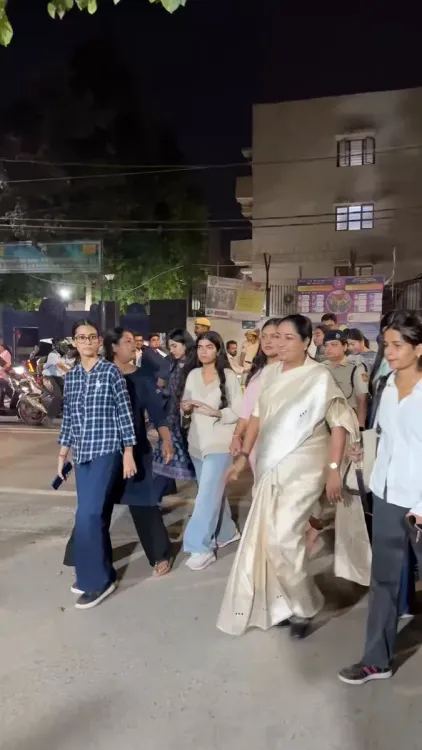
The CM spoke directly with women students outside the Arts Faculty to hear concerns firsthand before the inspection.
Officials have been directed to address all issues 'without delay,' with compliance to be closely monitored by the Chief Minister's office.
Gupta stated that student safety is 'non-negotiable' and that 'no lapses will be tolerated.'
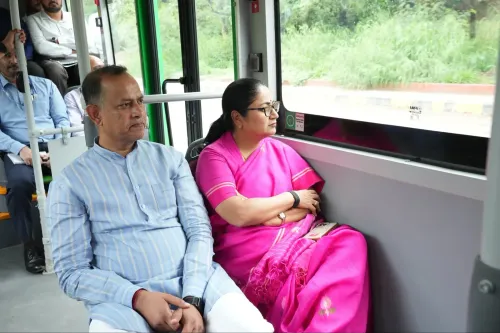
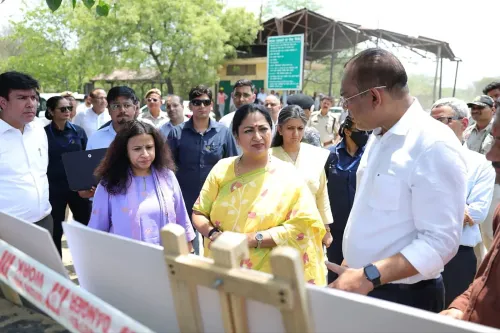
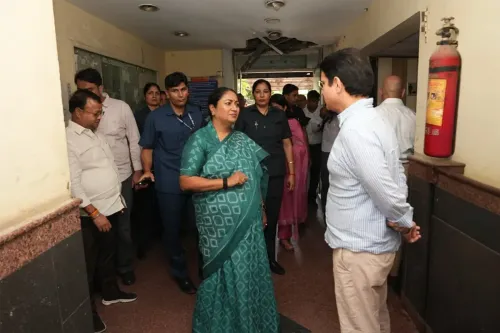
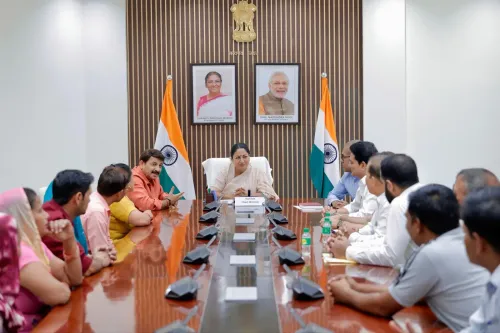
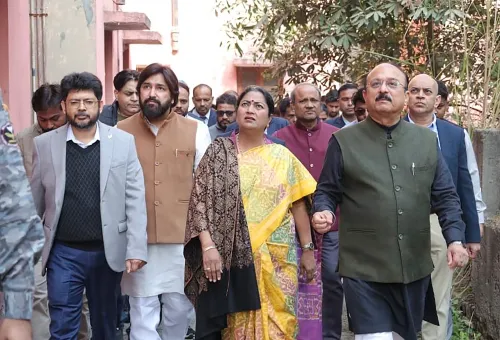
Dark corners, broken footpaths, and blind spots in surveillance — Delhi Chief Minister Rekha Gupta walked the campus perimeter of Delhi University's Arts Faculty on Thursday, October 8, stopped to listen to women students directly, and came away with a list of fixes she says will not wait. The visit was unannounced in tone if not in effect: a sitting Chief Minister stepping off the official circuit to hear student concerns firsthand is a signal in itself.
What the inspection found on the ground
The Chief Minister's walkthrough identified five specific problem areas: dark spots with insufficient street lighting, damaged footpaths that compromise pedestrian safety after dark, gaps in CCTV coverage leaving stretches of the campus boundary unmonitored, and waste accumulation that compounds both safety and hygiene concerns. Each deficiency was logged on-site, with officials directed to address every point 'without delay.' Gupta added that compliance would be 'closely monitored' — language that puts implementing agencies on notice rather than offering them a bureaucratic exit.
Why the Arts Faculty stretch matters
The area around Delhi University's Arts Faculty in North Delhi is one of the capital's densest student corridors, with thousands of women commuting through it daily across multiple shifts. Poorly lit stretches near major university campuses have historically featured in crime reports and student safety petitions, making infrastructure deficiencies here a genuine public-safety issue, not a cosmetic one. When a Chief Minister personally identifies CCTV blind spots and broken pavement on a specific stretch, the political pressure on municipal and police machinery to act is immediate.
The zero-tolerance framing
Gupta's closing statement — 'The safety and security of our students are non-negotiable. No lapses will be tolerated' — is blunt executive language designed to pre-empt the usual administrative lag. By making the inspection public and naming the categories of failure, the Chief Minister has effectively created a public checklist that journalists, students, and opposition legislators can use to hold the administration accountable. The test, as always, is whether the directed repairs materialise before the next news cycle moves on.
Point of View
A framing that has electoral resonance with urban middle-class and student constituencies. The specificity of the five-point deficiency list is strategically useful: it leaves little room for officials to claim ambiguity, but it also means the administration will be judged against a concrete, public benchmark. Whether the repairs materialise swiftly or stall will say as much about Delhi's civic machinery as about the CM's political will.
NationPress
8 Oct 2026
Frequently Asked Questions
Why did Delhi CM Rekha Gupta visit Delhi University?
She visited the Delhi University Arts Faculty campus area on October 8, 2026 to interact with women students and inspect on-ground safety conditions, identifying dark spots, CCTV gaps, broken footpaths, and waste accumulation.
What safety problems were found at Delhi University campus?
The inspection identified five issues: dark spots, inadequate street lighting, damaged footpaths, gaps in CCTV coverage, and waste accumulation in the Arts Faculty area.
What action has been taken after Rekha Gupta's Delhi University visit?
Officials have been directed to address each identified concern without delay, and the Chief Minister stated that compliance will be closely monitored.
Is Delhi University campus safe for women students?
The Chief Minister's inspection found several infrastructure deficiencies — including CCTV blind spots and poor lighting — that affect women's safety, and remediation has been ordered on a priority basis.
What did Rekha Gupta say about student safety in Delhi?
She stated that 'the safety and security of our students are non-negotiable' and that 'no lapses will be tolerated,' directing officials to fix all identified issues without delay.