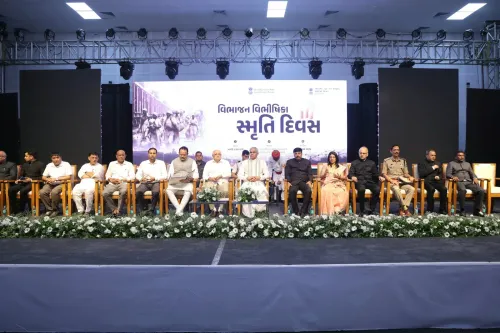
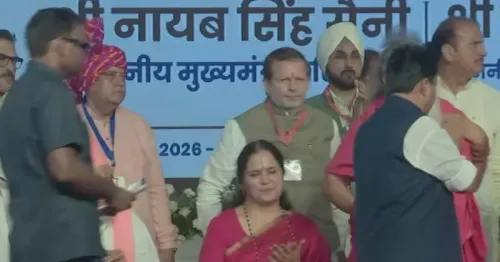
CM Rekha Gupta marks Partition Horrors Remembrance Day
Synopsis
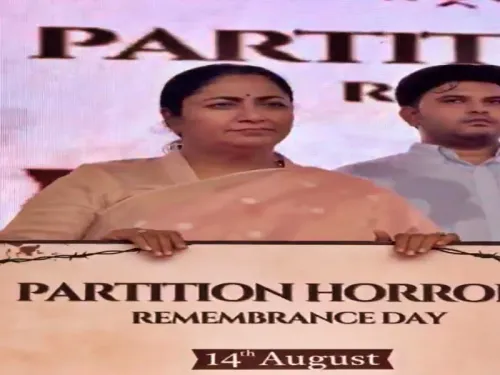
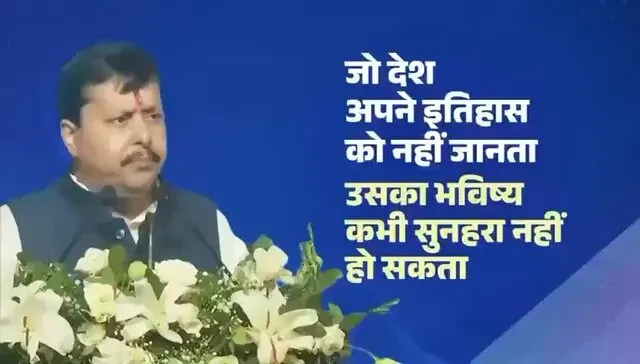
Delhi Chief Minister Rekha Gupta marked Partition Horrors Remembrance Day on 14 August 2026, crediting PM Modi with institutionalising the day and arguing that nations which ignore their history cannot secure a bright future.
Key Takeaways
Delhi CM Rekha Gupta posted on 14 August 2026 to mark Partition Horrors Remembrance Day .
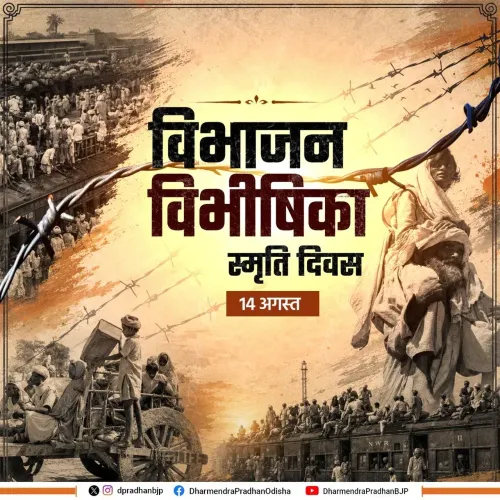
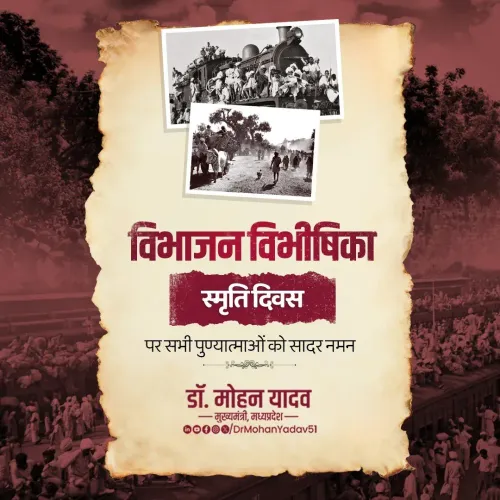
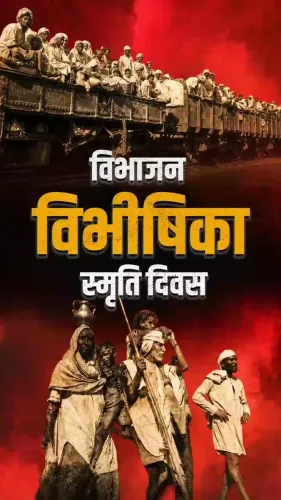
PM Narendra Modi declared 14 August as Vibhajan Vibhishika Smriti Diwas in 2021 via the Ministry of Home Affairs.
The day commemorates the mass displacement and violence accompanying the 1947 Partition of India .
CM Gupta's post argues historical awareness is a prerequisite for a nation's prosperous future.
The BJP government has linked the Remembrance Day to broader curriculum and museum initiatives on partition history.
On the eve of Independence Day, Delhi Chief Minister Rekha Gupta invoked the human cost of the 1947 Partition of India, reminding citizens that a nation which does not know, understand, and take pride in its history cannot build a golden future.
Posting on 14 August 2026 — observed as Partition Horrors Remembrance Day — CM Gupta credited Prime Minister Narendra Modi with the decision to institutionalise the day, quoting him as saying the dark chapter must be remembered because 'जो भी देश अपने इतिहास को नहीं जानता' ('a nation that does not know its history') cannot have a bright future. She also acknowledged BJP National President in the post.
Why 14 August became a day of remembrance
In 2021, the Ministry of Home Affairs declared 14 August as Partition Horrors Remembrance Day — Vibhajan Vibhishika Smriti Diwas — to honour the millions who suffered, were displaced, or perished when British India was divided into two nations. The date was chosen deliberately: the day before Independence Day, a permanent counterpoint to celebration with conscience.
The Partition of 1947 triggered one of the largest forced migrations in human history, with estimates of 10 to 20 million people uprooted and hundreds of thousands killed in communal violence across Punjab and Bengal. For decades, that scale of suffering had no formal state acknowledgement in the national calendar.
Memory as policy: the BJP's historical-awareness push
CM Gupta's post fits squarely into a broader pattern the BJP-led central government has pursued since 2021 — using institutional remembrance to anchor national identity in historical awareness. The Remembrance Day has been accompanied by discussions around curriculum updates, museum initiatives, and state-level commemorations that bring survivor testimonies into public life.
The argument, as Gupta frames it, is not merely sentimental. It is a claim about national resilience: societies that confront their darkest chapters honestly are better equipped to protect what came after. That framing turns a day of mourning into an argument about the stakes of historical literacy.
As India marks another Independence Day, the question the Remembrance Day poses is sharp — can a country fully celebrate its freedom without accounting for the price at which it came?
Point of View
She reinforces the BJP's framing of the Remembrance Day as a top-down, principled policy choice rather than electoral signalling. The timing — the eve of Independence Day — maximises emotional resonance and keeps the partition's human cost in the same breath as the celebration of freedom. Over successive years, this pattern suggests the BJP intends the Remembrance Day to become as fixed in the national calendar as Independence Day itself.
NationPress
29 Sept 2026
Frequently Asked Questions
What is Partition Horrors Remembrance Day?
Partition Horrors Remembrance Day , or Vibhajan Vibhishika Smriti Diwas , is observed every year on 14 August to remember the suffering caused by the 1947 Partition of India . It was declared by the Ministry of Home Affairs in 2021 on the initiative of PM Narendra Modi .
Why is 14 August chosen for Partition Remembrance Day in India?
14 August is the day before Independence Day , making it a deliberate counterpoint — a moment to acknowledge the violence and displacement that accompanied the birth of independent India before celebrating freedom on 15 August .
What did Delhi CM Rekha Gupta say about the Partition Remembrance Day?
Delhi CM Rekha Gupta stated that PM Modi chose to mark the partition as a remembrance day because nations that do not know, understand, or take pride in their history cannot build a golden future.
How many people were affected by the 1947 Partition of India?
The 1947 Partition triggered one of the largest forced migrations in history, displacing an estimated 10 to 20 million people and resulting in the deaths of hundreds of thousands in communal violence across Punjab and Bengal.
What is the BJP's approach to Partition Horrors Remembrance Day?
The BJP-led central government has used the Remembrance Day since 2021 to institutionalise historical awareness of partition's human cost, linking it to discussions on curriculum reform, museum initiatives, and annual state and central government commemorations.