CM Dhami Pays Tribute on Partition Horrors Remembrance Day Eve
Synopsis
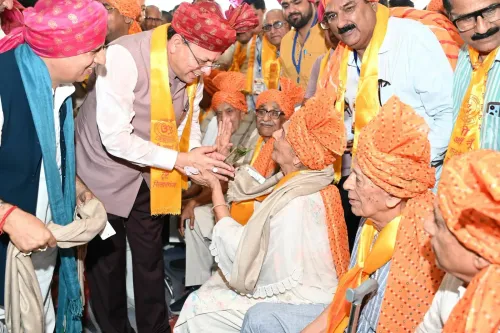
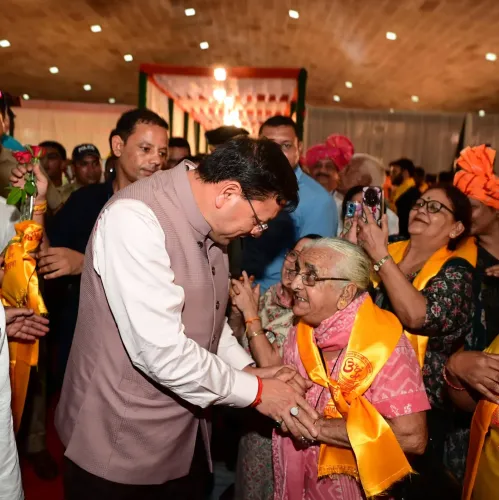
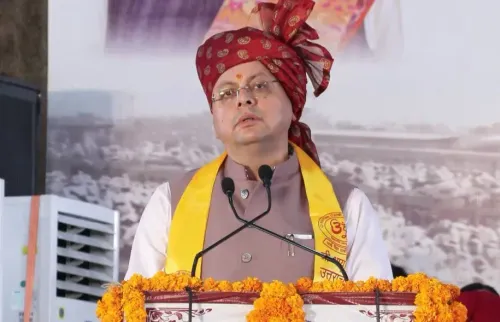
Uttarakhand CM Pushkar Singh Dhami, on the eve of Partition Horrors Remembrance Day, paid tribute to millions who died or were displaced in the 1947 partition, calling it the world's largest and darkest chapter in history.
Key Takeaways
CM Pushkar Singh Dhami paid tribute to partition victims on 13 August 2026 , the eve of Partition Horrors Remembrance Day.
He described the 1947 partition as the world's largest partition and a catastrophe that destroyed social unity and human sensitivity.
Partition Horrors Remembrance Day is observed every year on 14 August , instituted by PM Narendra Modi in 2021 .
The day was established to ensure India's independence celebrations are paired with remembrance of the human cost of partition.
Dhami emphasised the observance's role in educating future generations about the horrors of 1947 .
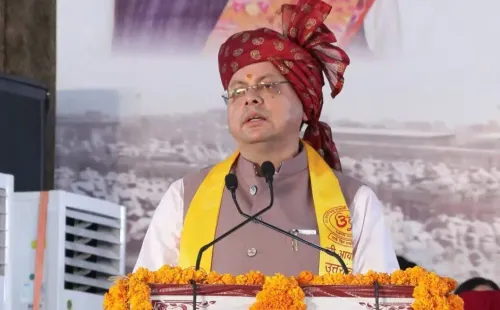
The pain of 14 August 1947 never truly ended with the freedom that followed at midnight. On the eve of Partition Horrors Remembrance Day, Uttarakhand Chief Minister Pushkar Singh Dhami paid solemn tribute to the millions who lost their lives and homes in what he called the darkest chapter in modern history — a wound, he said, that time cannot erase.
Speaking on 13 August 2026, CM Dhami said: 'The pain of partition can never be forgotten. Millions lost their lives and endured the agony of displacement. Even as the nation celebrated independence on 15 August 1947, it simultaneously bore the unbearable grief of being torn apart.'
Dhami described the partition as not merely a political event but a catastrophe that 'shredded social unity, social harmony, and human sensitivity to pieces.' He called it vishwa ka sabse bada vibhajan — the world's largest partition — a characterisation that underscores the sheer scale of the human tragedy: mass migrations, communal violence, and the severing of families across a newly drawn border.
How 14 August Became a Day of Remembrance
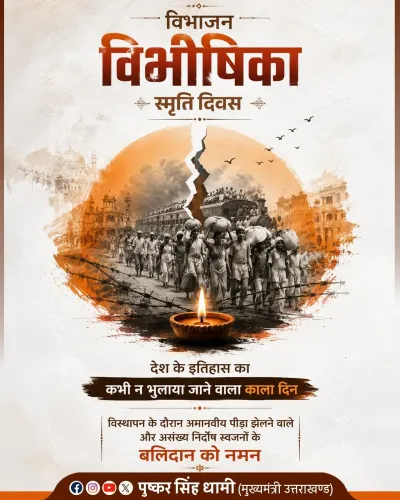
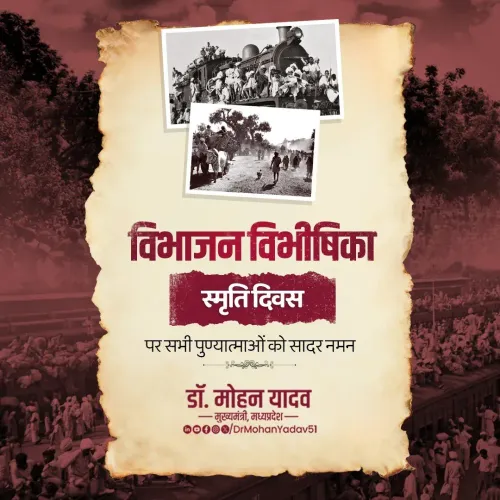
The observance has its roots in a 2021 decision by Prime Minister Narendra Modi, who announced that 14 August — the day before Independence Day — would henceforth be observed as Partition Horrors Remembrance Day (Vibhajan Vibhishika Smriti Diwas). The intent was deliberate: to ensure that the jubilation of 15 August is never fully divorced from the grief that preceded it by a single day. CM Dhami invoked that founding purpose directly. 'This day reminds us of all those who sacrificed their lives for Bharat Mata,' he said, adding that it is the duty of every citizen to express gratitude to each son and daughter of Mother India who endured the torments of partition.A Reminder for Generations That Were Not There
Perhaps the sharpest note in Dhami's statement was forward-looking. He argued that Vibhajan Vibhishika Smriti Diwas serves a generational purpose — acquainting younger Indians with a horror they did not live through but must not be allowed to forget. 'This day will continue to introduce future generations to that catastrophe in history,' he said. The observation arrives as India approaches its 79th Independence Day, a moment when the distance from 1947 grows longer with each passing year, and the lived memory of partition survivors grows thinner. The annual observance is, in part, a structured answer to that forgetting. As tributes pour in from across the country on the eve of 14 August, the question the day poses remains as sharp as ever: can a nation honour its freedom without also honouring the price at which it came?Point of View
Now in its fifth year, has become a consistent feature of BJP-led governments' cultural calendar — pairing the pride of Independence Day with a structured act of mourning. CM Dhami's statement follows a now-established pattern of state-level leaders amplifying the Centre's 2021 initiative, reinforcing it as a national rather than merely federal exercise. The emphasis on future generations signals a longer-term ambition: institutionalising partition memory in public consciousness the way Independence Day itself is. Whether this translates into curriculum changes or permanent memorials remains the live policy question.
NationPress
28 Sept 2026
Frequently Asked Questions
What is Partition Horrors Remembrance Day?
Partition Horrors Remembrance Day, observed every year on 14 August , was instituted by Prime Minister Narendra Modi in 2021 to honour the millions who died or were displaced during the 1947 partition of British India into India and Pakistan.
Why is 14 August chosen for Partition Horrors Remembrance Day?
14 August was chosen because it falls the day before Independence Day on 15 August , linking the celebration of freedom directly with remembrance of the partition's human cost, which unfolded simultaneously in 1947 .
What did CM Dhami say about the 1947 partition?
CM Pushkar Singh Dhami called the partition the world's largest and described it as the darkest chapter in history, saying it destroyed social unity and harmony and that the pain of partition can never be forgotten.
When did PM Modi announce Partition Horrors Remembrance Day?
Prime Minister Narendra Modi announced the annual observance of 14 August as Partition Horrors Remembrance Day in 2021 .
How many people died or were displaced in the 1947 partition of India?
The 1947 partition resulted in one of the largest mass migrations in human history, with millions of people displaced and large-scale loss of life, though precise figures vary across historical accounts. CM Dhami referred to 'lakhs' (hundreds of thousands) of lives lost.