CM Rekha Gupta meets Khattar to push Viksit Delhi vision
Synopsis
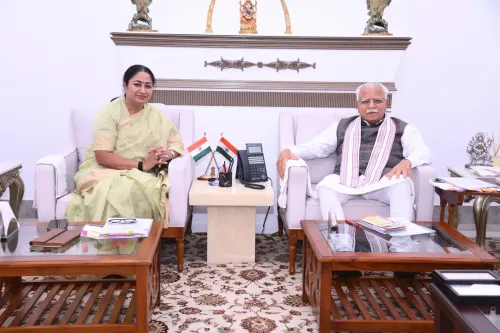
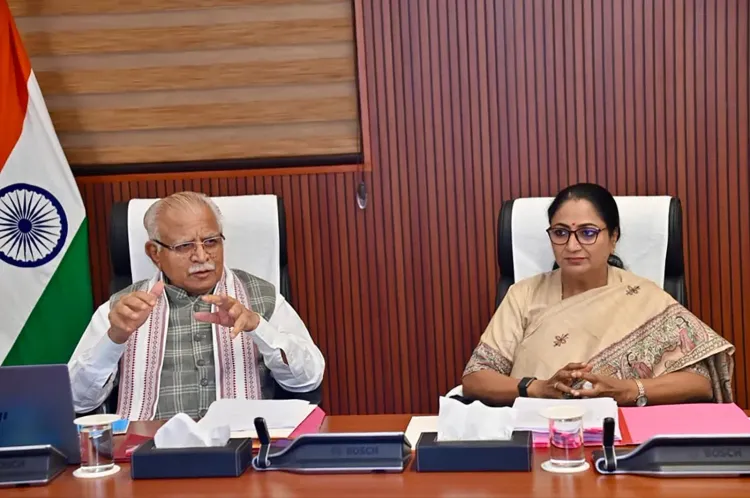
Delhi Chief Minister Rekha Gupta met Union Minister Manohar Lal Khattar on 14 October 2026 to discuss infrastructure expansion and citizen services under the Viksit Delhi vision, emphasising Centre-Delhi cooperation under PM Modi's leadership.
Key Takeaways
Delhi CM Rekha Gupta met Union Minister Manohar Lal Khattar on 14 October 2026 to discuss the capital's urban development agenda.
Discussions covered holistic development, modern infrastructure expansion, and improved citizen services for Delhi.
The meeting was anchored around the #ViksitDelhi vision, aligned with the national Viksit Bharat 2047 framework launched in 2023.
Both the Centre and Delhi government are led by BJP , enabling closer political and administrative coordination on joint infrastructure projects.
Khattar's ministry oversees centrally sponsored schemes like AMRUT and Smart Cities Mission , key to Delhi's urban upgrade pipeline.
No specific project announcements were made public; follow-through on funding and timelines remains the key metric to watch.
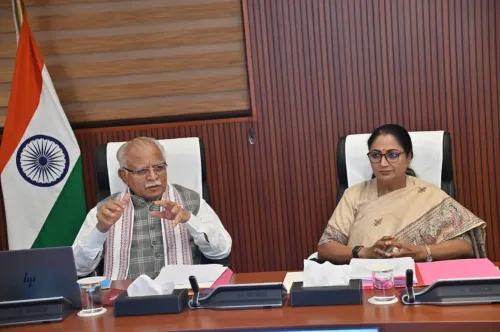
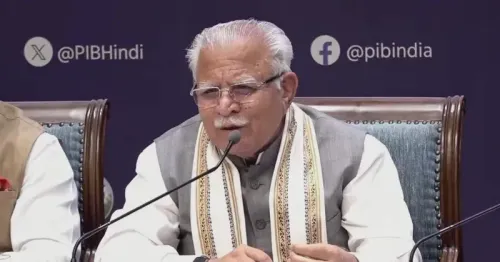
A high-level push for Delhi's urban transformation took shape on Wednesday, 14 October 2026, when Delhi Chief Minister Rekha Gupta held a substantive meeting with Union Minister for Housing and Urban Affairs and Energy Manohar Lal Khattar — covering the full sweep of the capital's infrastructure agenda, from modern civic amenities to foundational urban development.
In a post on X, CM Gupta described the discussions as 'sarthak charcha' — 'meaningful dialogue' — on key issues linked to Delhi's holistic development, expansion of modern infrastructure, and improving citizen services. She expressed heartfelt gratitude to Khattar for his 'continuous cooperation, guidance, and positive approach' toward the capital's progress.
The 'Viksit Delhi' resolve takes centre stage
The meeting was framed explicitly around a shared political commitment: CM Gupta stated that the Centre and the Delhi government are working 'with full dedication' to realise the 'Viksit Delhi' — or 'Developed Delhi' — vision, under the leadership of Prime Minister Narendra Modi. The hashtag #ViksitDelhi anchored the post, signalling this as a deliberate messaging priority for the BJP-led city government.
The Viksit Delhi framing draws directly from the nationally articulated Viksit Bharat 2047 vision, launched in 2023, which set state and city-level development targets across urban infrastructure, energy, and civic services. For Delhi — a Union Territory with a uniquely shared governance structure between an elected assembly and the Centre — these meetings are not ceremonial. They are, structurally, where decisions get unlocked.
Why Centre-Delhi coordination on infrastructure is consequential
Delhi's special constitutional status means that major urban infrastructure projects — from metro expansion to water and power systems — require active alignment between the elected city government and central ministries. Khattar's portfolio as Union Minister for Housing and Urban Affairs places him at the heart of centrally sponsored schemes such as AMRUT (Atal Mission for Rejuvenation and Urban Transformation) and the Smart Cities Mission, both of which have channelled significant resources into capital-city upgrades in recent years.
The meeting signals that the BJP-aligned city and central governments are leveraging that political alignment to move faster on joint funding and project approvals — a dynamic that had frequently stalled under the previous administration, when the Centre and the Delhi government were governed by rival parties.
What Delhi residents should watch for next
No specific project announcements or budget figures were disclosed in the public communication. The significance of a meeting like this is typically revealed in its follow-through — whether joint infrastructure schemes receive accelerated approval, fresh allocations land in the Union Housing Ministry pipeline, or specific urban development packages are announced for the capital in the weeks ahead.
For a city of over 30 million people grappling with congestion, ageing civic infrastructure, and energy demand, the political will signalled today will only matter if it translates into concrete timelines. The next move is the announcement — and Delhi will be watching.
Point of View
Giving both city and Centre a shared messaging dividend. The absence of specific project announcements, however, means the meeting's real value will only be measured once funding flows or approvals materialise. For the BJP in Delhi, visible infrastructure wins before the next electoral cycle are not just policy — they are the proof of concept.
NationPress
14 Oct 2026
Frequently Asked Questions
Why did Delhi CM Rekha Gupta meet Manohar Lal Khattar?
CM Rekha Gupta met Union Minister Manohar Lal Khattar on 14 October 2026 to discuss Delhi's holistic development, expansion of modern infrastructure, and improving citizen amenities under the Viksit Delhi vision.
What is the Viksit Delhi vision?
'Viksit Delhi' refers to the BJP-led Delhi government's development agenda for the capital, aligned with the national Viksit Bharat 2047 framework that sets urban and infrastructure targets for India's cities.
What is Manohar Lal Khattar's role in Delhi's infrastructure?
As Union Minister for Housing and Urban Affairs, Manohar Lal Khattar oversees centrally sponsored schemes such as AMRUT and the Smart Cities Mission, which fund major urban infrastructure upgrades including in Delhi.
Why does Delhi need Centre-state coordination on infrastructure?
Delhi is a Union Territory with an elected assembly, giving the Central government significant control over land and policing. Major infrastructure projects therefore require active coordination between the elected city government and central ministries.
What announcements came out of the Rekha Gupta and Khattar meeting?
No specific project announcements or budget figures were made public following the meeting. The CM described it as a meaningful dialogue, with further project-level decisions expected to follow.