CM Rekha Gupta Pays Tribute to Padma Shri K.K. Shastri on Birth Anniversary
Synopsis
Delhi Chief Minister Rekha Gupta on 28 July 2026 honoured Padma Shri Maharshi Keshvaram Kashiram Shastri on his birth anniversary, calling his life an inspiring example of knowledge, devotion, and research in Indian language and literature.
Key Takeaways
Delhi Chief Minister Rekha Gupta posted a tribute to Padma Shri Maharshi Keshvaram Kashiram Shastri on his birth anniversary on 28 July 2026 .
She described his life as a model of gyan, sadhana aur shodh — knowledge, devotion, and research — in Indian culture and literature.
Shastri was a recipient of the Padma Shri , India's fourth-highest civilian honour, for his contributions to Indian languages and literary traditions.
The tribute reflects a broader pattern of Indian political leaders publicly recognising classical scholars and literary figures on their birth anniversaries.
Literary scholars, Sanskrit researchers, and cultural organisations are among the stakeholders most directly connected to Shastri's legacy.
Delhi Chief Minister Rekha Gupta on Tuesday, 28 July 2026, paid tribute to Padma Shri Maharshi Keshvaram Kashiram Shastri on his birth anniversary, honouring the scholar's lifelong contributions to Indian language, literature, and cultural heritage.
Context
In her post, CM Gupta offered what she described as shat-shat naman (a hundredfold salute) to the late scholar. She wrote that his entire life, dedicated to the enrichment of Bharatiya sanskriti, bhasha aur sahitya (Indian culture, language, and literature), stands as an inspiring example of the finest traditions of knowledge, devotion, and research.
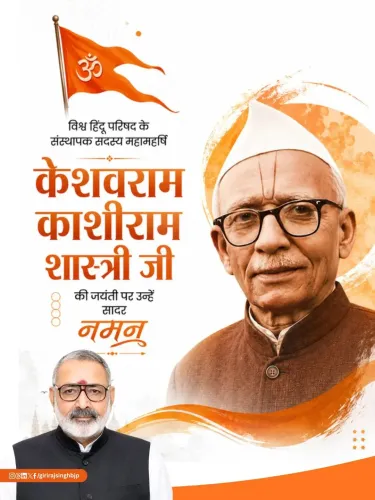
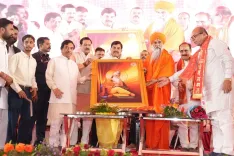
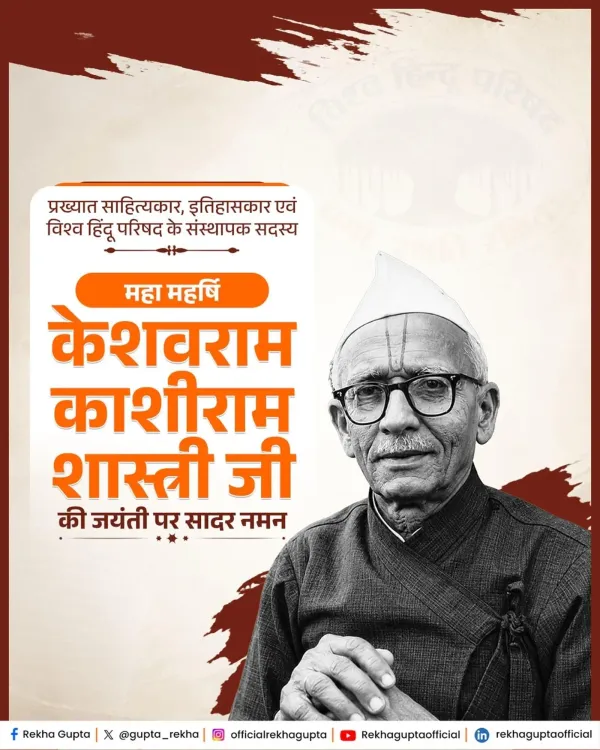
She further noted that his ideas and scholarly work would continue to enrich India's knowledge tradition and guide future generations. The tribute was accompanied by an image shared on the platform.
Policy Backdrop
Maharshi Keshvaram Kashiram Shastri was a distinguished recipient of the Padma Shri, India's fourth-highest civilian honour, awarded for his scholarship in Indian languages, literature, and classical cultural traditions. His body of work is regarded as a significant contribution to the preservation and propagation of India's linguistic heritage.
The Padma Shri award has historically recognised scholars who contribute to classical knowledge systems, regional languages, and literary traditions that might otherwise receive limited mainstream attention. Shastri's recognition under this category placed him among a select group of academic and cultural figures honoured by the state.
Stakeholders and Impact
The tribute is of particular significance to literary scholars, Sanskrit researchers, and communities invested in the preservation of classical Indian knowledge systems. Commemorations of this nature by senior political figures lend visibility to scholarly legacies that extend beyond political or administrative circles.
Indian political leaders across administrations have regularly marked the birth anniversaries of literary and linguistic scholars through public statements. Such gestures are widely seen as part of a broader institutional effort to acknowledge contributors to classical knowledge and affirm cultural continuity.
What's Next
The anniversary tribute may prompt academic institutions, literary bodies, and cultural organisations to organise events, lectures, or publications in Shastri's memory in the coming weeks. Similar scholarly commemorations by political figures are expected to continue through the year as part of the wider calendar of cultural recognition.
The pattern of such tributes also signals continued political emphasis on India's classical knowledge traditions, a theme that has featured prominently in public discourse around education and cultural policy in recent years.
Point of View
From Sanskrit scholarship to regional literary heritage. Such commemorations serve a dual purpose: they honour genuine scholarly legacies while reinforcing a cultural-nationalist narrative that the party has consistently promoted. For a sitting Chief Minister, marking a Padma Shri scholar's birth anniversary on social media also signals accessibility to constituencies beyond electoral politics — namely, the academic and cultural establishment. The regularity of such tributes across administrations, however, means their political weight is often modest unless accompanied by concrete policy or institutional action.
NationPress
26 Oct 2026
Frequently Asked Questions
Who is Maharshi Keshvaram Kashiram Shastri?
Maharshi Keshvaram Kashiram Shastri was a distinguished Indian scholar and linguist honoured with the Padma Shri , one of India's highest civilian awards, for his significant contributions to Indian languages, literature, and cultural traditions.
Why did Delhi CM Rekha Gupta pay tribute to K.K. Shastri?
Delhi Chief Minister Rekha Gupta paid tribute to mark the birth anniversary of Padma Shri Maharshi Keshvaram Kashiram Shastri on 28 July 2026 , recognising his lifelong dedication to Indian culture, language, and literature.
What did Rekha Gupta say about Keshvaram Kashiram Shastri?
CM Gupta said Shastri's life was a inspiring example of the traditions of knowledge, devotion, and research, and that his ideas and scholarly work would continue to enrich India's knowledge tradition and guide future generations.
What is the Padma Shri award?
The Padma Shri is India's fourth-highest civilian honour, awarded by the Government of India to recognise distinguished contributions in various fields including arts, education, literature, science, and public affairs.
Do Indian politicians regularly pay tribute to literary scholars?
Yes, Indian political leaders across parties and administrations regularly mark the birth and death anniversaries of literary and linguistic scholars through public statements, reflecting a broader institutional tradition of acknowledging contributors to classical knowledge and cultural heritage.