CM Hemant Soren Launches Adivasi Mahotsav to Honour Tribal Identity
Synopsis
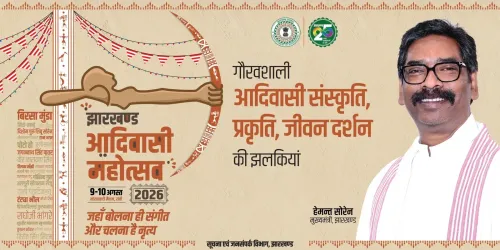
Chief Minister Hemant Soren launched the Adivasi Mahotsav in Jharkhand on World Tribal Day, August 9, 2026, pledging to keep tribal identity intact and thanking communities for their support at the inaugural programme.
Key Takeaways
Adivasi Mahotsav was launched by CM Hemant Soren on World Tribal Day, August 9, 2026 .
The festival aims to make the day memorable for tribal communities and preserve their distinct cultural identity.
Jharkhand was formed in 2000 on the foundation of demands for tribal self-governance and cultural recognition.
Soren's remarks explicitly linked tribal identity to the land — a politically significant framing given ongoing land and forest rights debates.
The Chief Minister's Office of Jharkhand shared the announcement directly via its official X account.
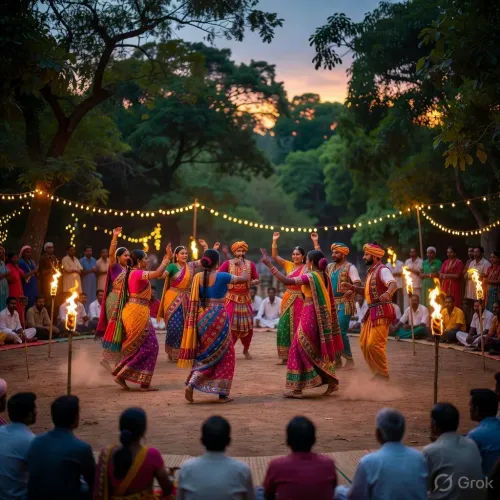
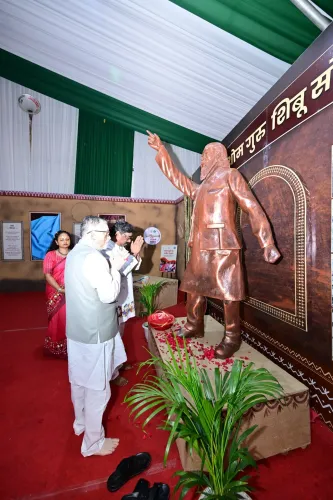
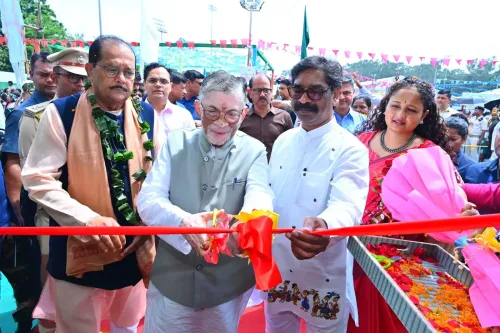
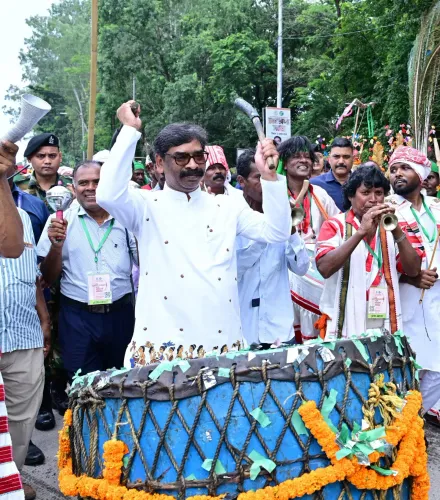
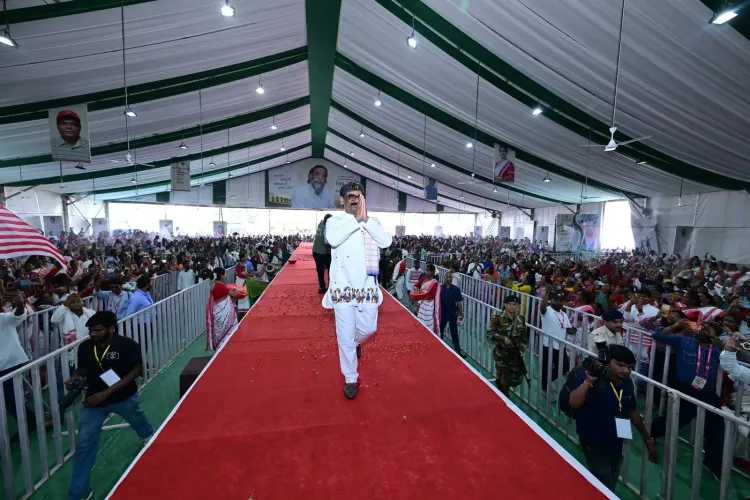
On the occasion of World Tribal Day, August 9, 2026, Jharkhand Chief Minister Hemant Soren launched the Adivasi Mahotsav — a cultural festival programme designed to make the day memorable for tribal communities and to safeguard the distinct identity rooted in the state's land.
Addressing the gathering, CM Soren said: 'Aap sabhika sahyog aur aashirvaad prapt hua' ('We received your cooperation and blessings') — thanking all those present for their support in making the programme a success. The Chief Minister's Office of Jharkhand shared his remarks directly, emphasising that the Mahotsav was conceived to keep the tribal community's unique identity akshunn — intact and undiminished.
A Festival Born from Jharkhand's Founding Promise
Jharkhand was carved out as a separate state in 2000 precisely on the strength of tribal self-governance demands. The state's Adivasi population — one of the largest concentrations of indigenous communities in eastern India — has long sought formal recognition of their cultural distinctiveness alongside development. The Adivasi Mahotsav sits squarely within that tradition: a state-sponsored affirmation that identity and land are inseparable.
Hemant Soren, leader of the Jharkhand Mukti Morcha (JMM) and a prominent voice on tribal rights nationally, has consistently framed governance through the lens of Adivasi welfare. Launching a dedicated cultural festival on World Tribal Day signals that the administration intends the day to carry political as well as cultural weight — a marker, not merely a ceremony.
What the Mahotsav Represents Beyond the Stage
State governments across India have periodically used cultural events to reinforce tribal identity, but the framing here is pointed: 'jis dharti par ek alag pehchaan hai' — 'the land on which a distinct identity exists'. That phrasing ties culture directly to territory, a connection that resonates deeply in a state where land rights and forest rights remain live political questions.
Future editions of the Adivasi Mahotsav and any linked announcements on tribal cultural or land policy will reveal whether this inaugural launch grows into a durable institution or remains a single-occasion gesture.
For now, the message from Ranchi is unambiguous: Jharkhand's tribal heritage is not a footnote — it is the headline.
Point of View
Not just cultural celebration — Soren is anchoring his governance brand to tribal heritage ahead of what remains a competitive political landscape in Jharkhand. By tying the festival to World Tribal Day and framing it around land and distinctiveness, the JMM government signals that Adivasi rights are a governing priority, not a campaign promise. This fits a broader pattern of eastern Indian states using cultural programming to consolidate indigenous vote blocs while simultaneously pressuring the Centre on forest and land rights. Whether the Mahotsav becomes an annual institution will be the real test of its policy seriousness.
NationPress
9 Aug 2026
Frequently Asked Questions
What is Adivasi Mahotsav in Jharkhand?
Adivasi Mahotsav is a cultural festival programme launched by Chief Minister Hemant Soren in Jharkhand to commemorate World Tribal Day and preserve the distinct identity of the state's tribal communities.
When was Adivasi Mahotsav launched?
The inaugural Adivasi Mahotsav was launched on August 9, 2026 , which is observed internationally as World Tribal Day .
Who launched Adivasi Mahotsav?
Jharkhand Chief Minister Hemant Soren of the Jharkhand Mukti Morcha (JMM) launched the Adivasi Mahotsav programme.
Why is tribal identity significant in Jharkhand?
Jharkhand was created in 2000 specifically to honour tribal demands for self-governance. It has one of India's largest Adivasi populations, making cultural and land rights central to the state's politics.
What did Hemant Soren say at Adivasi Mahotsav?
CM Soren thanked all attendees for their cooperation and blessings, stating the Mahotsav was launched to make World Tribal Day memorable and to keep the tribal community's unique identity intact on its own land.