CM Yogi Credits Modi for India's Rise to World's 4th Largest Economy
Synopsis
UP Chief Minister Yogi Adityanath declared on 9 August 2026 that PM Modi has established India as the world's fourth-largest economy, sharply contrasting it with what he called Congress's economic wreckage — amplifying a core BJP political narrative ahead of future electoral cycles.
Key Takeaways
CM Yogi Adityanath posted on 9 August 2026 crediting PM Modi with making India the world's fourth-largest economy .
He directly blamed the Indian National Congress for having 'wrecked' India's economy before 2014.
India overtook the UK to become the fifth-largest economy in 2022 per IMF estimates; the fourth-place claim represents the next step in that trajectory.
Key BJP reforms cited in this economic arc include the GST rollout in 2017 and sustained infrastructure investment.
The claim of fourth-place status is consistent with projected trends but awaits confirmation via official IMF or World Bank GDP data releases.
This messaging is a recurring feature of BJP state-level communications , especially ahead of electoral cycles.
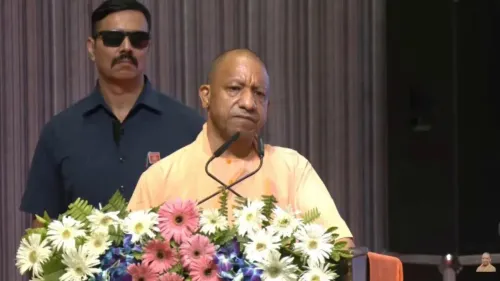
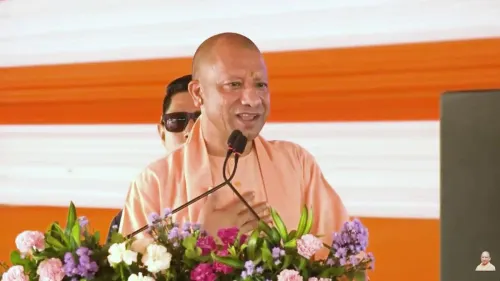
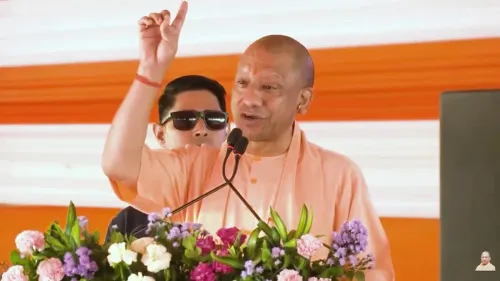
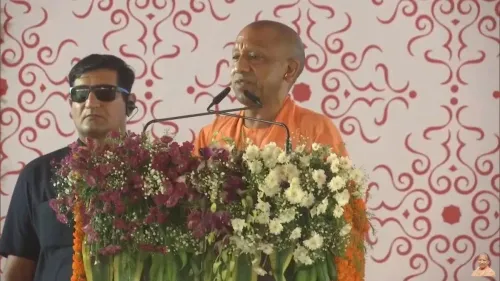
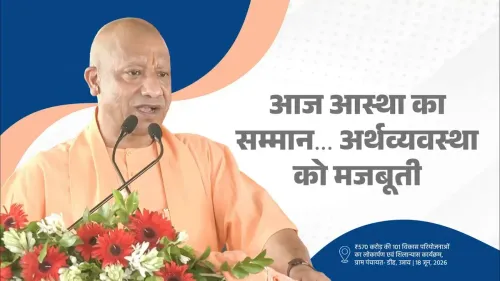
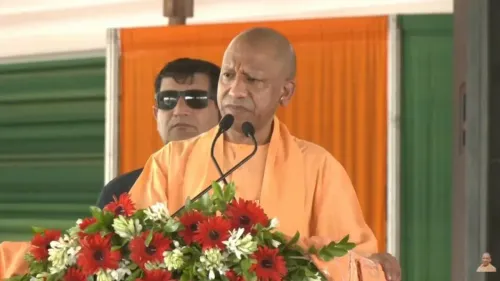
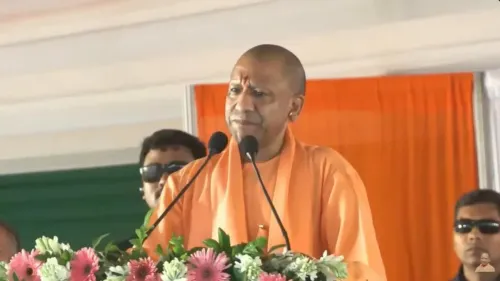
India's climb up the global GDP ladder has become one of the BJP's sharpest political talking points — and on Sunday, 9 August 2026, Uttar Pradesh Chief Minister Yogi Adityanath drove that point home, crediting Prime Minister Narendra Modi with transforming an economy he says Congress had left in ruins into the world's fourth-largest.
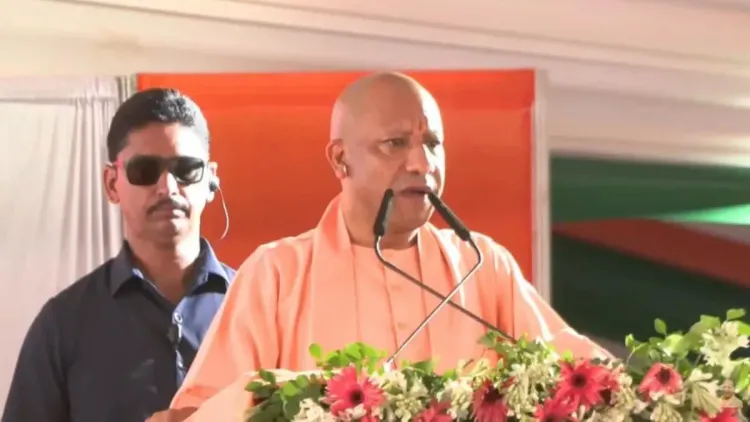
In a post on X, CM Yogi wrote: 'Bharat ki arthvyavastha ko Congress ne chaupat karke rakh diya tha' — 'Congress had wrecked India's economy' — before asserting that Prime Minister Modi has today established India as the fourth-largest economy in the world.
From Fifth to Fourth: India's Ascent in Global Rankings
The trajectory is real, even if the precise milestone is still being tracked. In 2022, India overtook the United Kingdom to become the fifth-largest economy by nominal GDP, according to IMF estimates — a milestone that drew widespread attention and became a centrepiece of BJP's economic messaging. The claim of a further leap to fourth place, displacing Japan, reflects the direction of travel that economists and multilateral institutions have widely flagged, though the exact timing of that crossover remains subject to official GDP data releases.
The broader arc: India's nominal GDP has grown significantly since 2014, underpinned by structural reforms including the Goods and Services Tax (GST) rollout in 2017, aggressive infrastructure spending, and manufacturing push initiatives. These are the policy pillars the BJP consistently cites when making the case that the post-2014 era represents a decisive break from what came before.
The Congress-vs-BJP Economic Frame
CM Yogi's framing is not new — it is the BJP's most durable electoral narrative. The party has, since 2014, anchored its political identity to the contrast between what it describes as Congress-era economic mismanagement and the growth story under Modi. State-level leaders, including Chief Ministers, routinely amplify this messaging, particularly as election cycles approach.
The Indian National Congress led the central government for the bulk of the decade before 2014, a period the BJP associates with policy paralysis, high inflation, and corruption scandals. Congress contests this characterisation, pointing to high GDP growth rates during the UPA years. The debate is as live as ever — and posts like this one are designed to keep it that way.
With upcoming IMF and World Bank GDP ranking updates expected to either confirm or sharpen India's fourth-place claim, this narrative is likely to intensify. Every decimal point in a global ranking is now political currency.
Point of View
The post-2014 Modi era as national renaissance. By anchoring this to a concrete, globally legible metric — GDP ranking — the message transcends domestic political jargon and appeals to aspirational voters who track India's international standing. The timing, well ahead of any immediate electoral trigger, suggests this is sustained narrative-building rather than reactive politics. The unverified precision of 'fourth-largest' is itself politically strategic: it plants a milestone that official data may soon confirm, letting the claim age into fact.
NationPress
24 Sept 2026
Frequently Asked Questions
Has India become the fourth-largest economy in the world?
India has been on a consistent upward trajectory in global GDP rankings. It overtook the UK to become the fifth-largest economy in 2022 per IMF estimates. The claim of fourth-place status, displacing Japan, aligns with projected trends but requires confirmation from official IMF or World Bank data releases.
What did CM Yogi Adityanath say about India's economy?
On 9 August 2026, CM Yogi posted on X that Congress had wrecked India's economy, while PM Modi has now established India as the world's fourth-largest economy.
When did India overtake the UK in GDP rankings?
India overtook the United Kingdom to become the fifth-largest economy in 2022, according to IMF estimates — a milestone that became a key part of the BJP's economic messaging.
What economic reforms does the BJP credit for India's GDP rise?
The BJP points to the Goods and Services Tax rollout in 2017, large-scale infrastructure investment, and manufacturing initiatives as the key reforms driving India's rise in global GDP rankings since 2014.
Why is the BJP comparing its economic record to Congress?
Contrasting the post-2014 Modi era with the pre-2014 Congress-led governments has been the BJP's core political narrative since 2014, used consistently in state-level communications and ahead of electoral cycles to frame economic growth as a partisan achievement.