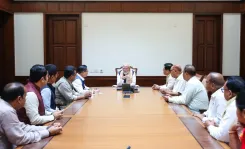
CM Hemant Soren Signs IDTR MoU with Tata Motors in Jamshedpur
Synopsis
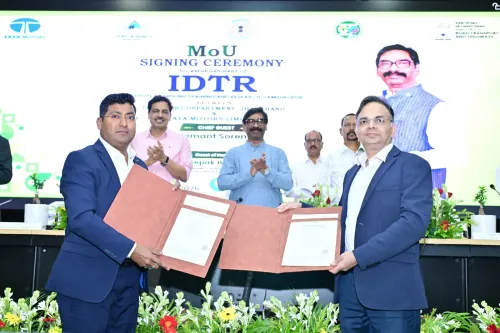
Jharkhand CM Hemant Soren signed an MoU with Tata Motors on 28 July 2026 to establish an Institute of Driving, Training and Research in Jamshedpur, aiming to end the state's chronic heavy-vehicle licence backlog and open formal employment pathways for workers in mining and logistics.
Key Takeaways
The Jharkhand Transport Department signed an MoU with Tata Motors on 28 July 2026 to establish an IDTR in Jamshedpur .
The institute targets the chronic shortage of accessible heavy-vehicle driving licences in the state, which has blocked employment in mining, logistics, and transport sectors.
CM Hemant Soren directed the Transport Department to clear all pending licence applications before the MoU was executed.
The IDTR model is backed by the Motor Vehicles Act amendments of 2019 , which mandated certified driver training institutes in partnership with vehicle manufacturers.
A driving licence in India also serves as a formal identity document alongside Aadhaar and passport, amplifying its importance for citizens without other ID proof.
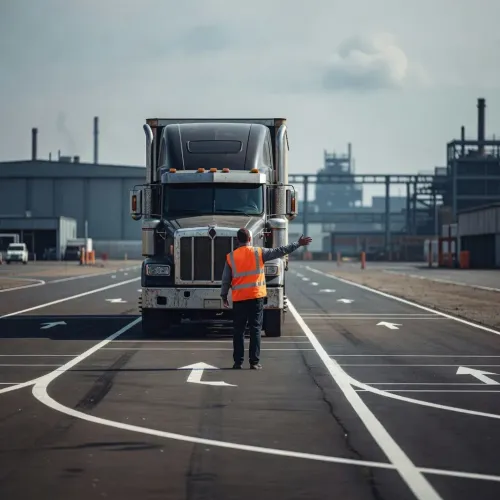
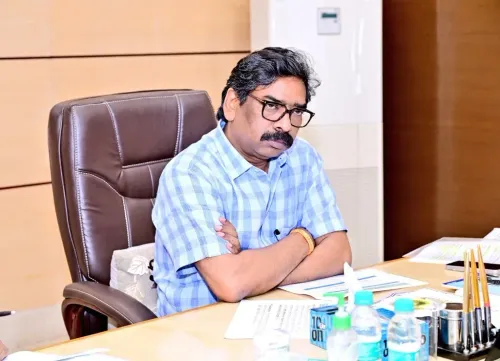
For thousands of workers in Jharkhand's mines, logistics corridors, and transport networks, a heavy-vehicle driving licence has long been the one document standing between poverty and a liveable income — and the state has just moved to close that gap. Jharkhand Chief Minister Hemant Soren announced on Tuesday, 28 July 2026 that the state's Transport Department has signed a Memorandum of Understanding with Tata Motors to establish an Institute of Driving, Training and Research (IDTR) in Jamshedpur.
The licence bottleneck Jharkhand could no longer ignore
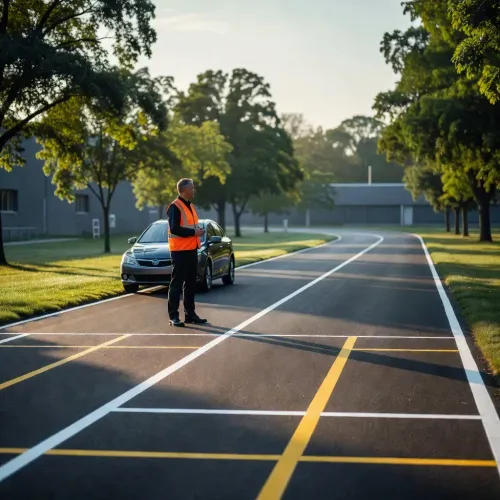
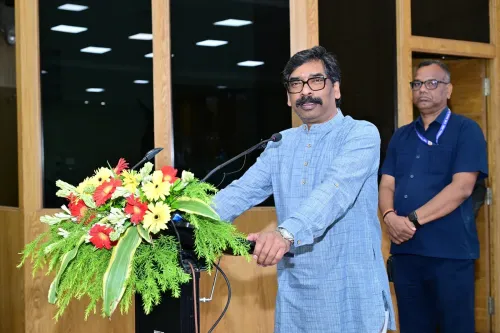
Soren was direct about the problem the MoU is designed to solve. 'People have to keep going around to offices for a licence,' he said, noting that while obtaining licences for small vehicles has become relatively manageable, heavy-vehicle licences — essential for driving trucks, buses, and large mining machinery — remain almost entirely dependent on private operators. Private institutes, he pointed out, do not issue licences for free, forcing ordinary citizens through layers of expense and bureaucratic delay.
The human stakes are specific. In a state like Jharkhand, he said, a poor worker often labours with the hope of one day buying or driving a truck, a bus, or the heavy machines that operate in the mines — to support himself and his family. The absence of an accessible, government-backed licensing pathway has effectively locked that ambition out of reach.
Why Jamshedpur, and why Tata Motors
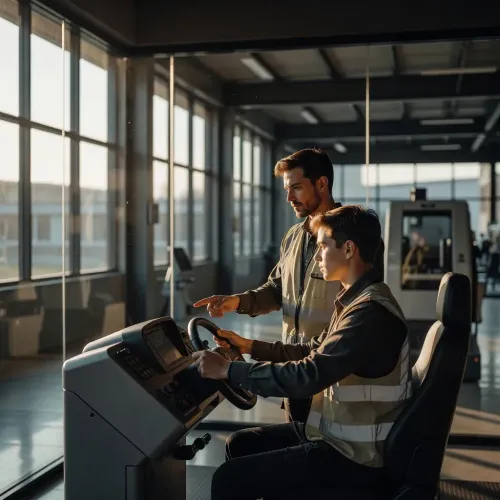
Jamshedpur, home to the Tata group's foundational manufacturing operations, is a natural anchor for this facility. Tata Motors, one of India's largest commercial vehicle manufacturers, brings both the technical expertise and the infrastructure logic to run a credible IDTR. The IDTR model itself was promoted by the Ministry of Road Transport and Highways following amendments to the Motor Vehicles Act in 2019, which mandated higher driver training standards and encouraged states to build certified institutes in partnership with vehicle manufacturers.
Jharkhand's scale of need is not abstract. Soren listed the sectors that depend on certified heavy-vehicle operators today: large-scale mining, small and medium industries, food and clothing logistics, and even the transportation of textbooks to schools — all moving on fleets that legally require drivers to hold recognised heavy-vehicle licences.
Pending applications cleared before the ink dried
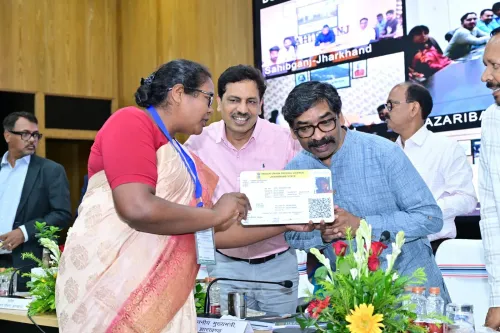
Soren disclosed that he had issued a specific directive to the Transport Department: clear every pending driving-licence application in the state before the MoU was signed. It is a telling sequence — the government chose to eliminate the existing backlog first, rather than use a new institution as cover for old failures. Whether that clearance is complete or ongoing was not specified, but the instruction itself signals the political intent behind the announcement.
He also broadened the frame beyond employment. A driving licence, he noted, is not merely permission to operate a vehicle — it functions as a recognised identity document alongside a passport and Aadhaar, required across government processes. For citizens without other formal identification, it carries weight that goes well beyond the road.
The IDTR in Jamshedpur now needs to move from signed MoU to operational institute. The timeline for construction and the quarterly pace of heavy-vehicle licence clearances will determine whether this announcement translates into the mobility — economic and literal — that Soren has promised Jharkhand's workers.
Point of View
Soren aligns the initiative with the 2019 Motor Vehicles Act's push for certified training institutes, lending it regulatory credibility. The pre-MoU directive to clear pending licence applications is politically shrewd: it prevents the new institute from being seen as a substitute for fixing existing failures. The broader test will be operational speed — Jharkhand has announced infrastructure partnerships before, and the gap between MoU and functioning institute is where such commitments often stall.
NationPress
28 Jul 2026
Frequently Asked Questions
What is the IDTR MoU signed by Jharkhand and Tata Motors?
The MoU is an agreement between the Jharkhand Transport Department and Tata Motors to establish an Institute of Driving, Training and Research (IDTR) in Jamshedpur, aimed at providing structured, government-backed training and certification for heavy-vehicle drivers in the state.
Why is a heavy vehicle driving licence difficult to get in Jharkhand?
Until now, Jharkhand lacked a government-run facility for heavy-vehicle licence training, leaving aspirants dependent on private operators who charge fees and create procedural delays. CM Hemant Soren cited this as a key reason for establishing the IDTR.
What is an IDTR and who promotes it?
An Institute of Driving, Training and Research (IDTR) is a model promoted by India's Ministry of Road Transport and Highways following the Motor Vehicles Act amendments of 2019, designed to raise driver training standards through partnerships between state governments and vehicle manufacturers.
Why was Jamshedpur chosen for the IDTR in Jharkhand?
Jamshedpur is the industrial base of the Tata group, including Tata Motors, making it a natural location for a heavy-vehicle training institute that requires automotive infrastructure and expertise.
Did Jharkhand clear pending driving licence applications before the MoU?
CM Hemant Soren stated he directed the Transport Department to complete all pending driving-licence applications in the state before the MoU was signed, though the full status of that clearance was not specified in his announcement.