CM Himanta: Assam to Drive India's Green Shift via E-Methanol
Synopsis
Assam CM Himanta Biswa Sarma has announced that the state will produce e-methanol to reduce India's fossil fuel dependence, aligning with the National Green Hydrogen Mission and India's net-zero 2070 target. Specific project details are yet to be disclosed.
Key Takeaways
CM Himanta Biswa Sarma announced on 26 September 2026 that Assam will produce e-methanol to reduce India's fossil fuel dependence.
E-methanol is a liquid electrofuel made from green hydrogen and captured CO2, usable in transport and heavy industry.
India's National Green Hydrogen Mission (launched January 2023 ) targets green hydrogen derivatives including e-methanol to meet the net-zero by 2070 goal.
Assam's hydrocarbon history makes this pivot especially significant — the state hosts Asia's first oil refinery at Digboi .
Specific plant locations, timelines, and investment partnerships have not yet been announced.
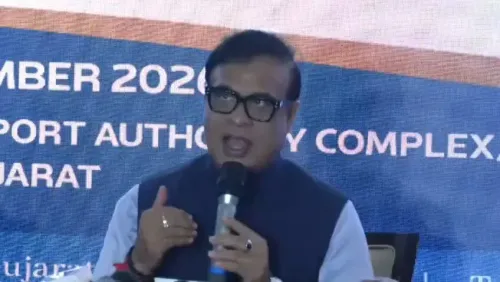
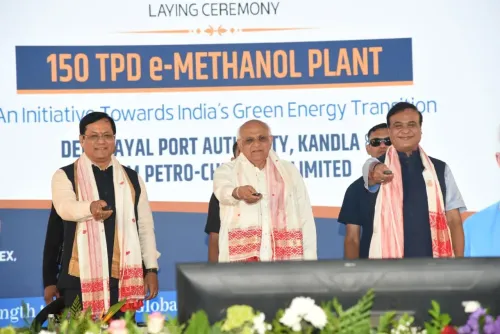
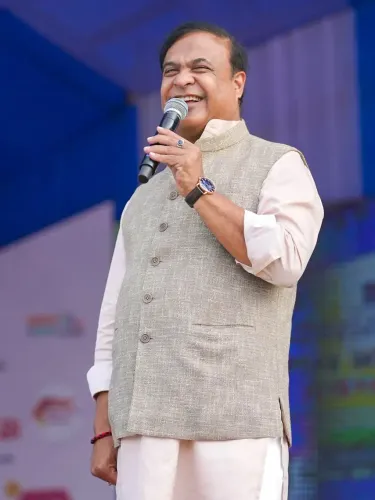
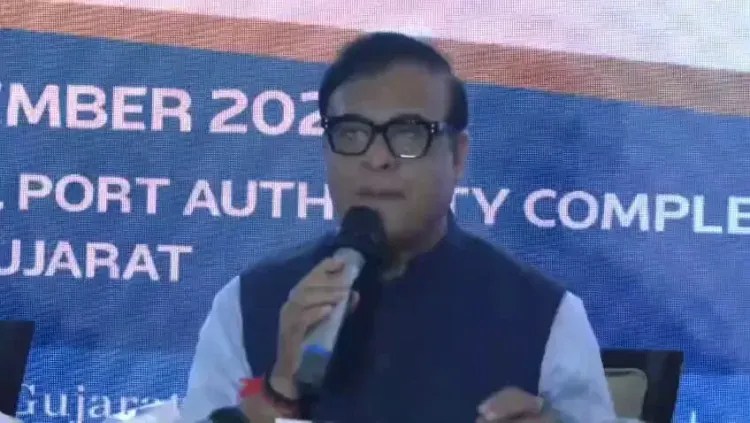
A northeastern state known for its oil fields is now positioning itself as a launchpad for clean fuel. Chief Minister Himanta Biswa Sarma declared on Saturday, 26 September 2026 that Assam will produce e-methanol — a liquid electrofuel synthesised using green electricity — to reduce India's dependence on fossil fuels and unlock the country's green energy potential.
Assam's pivot from crude oil to clean fuel
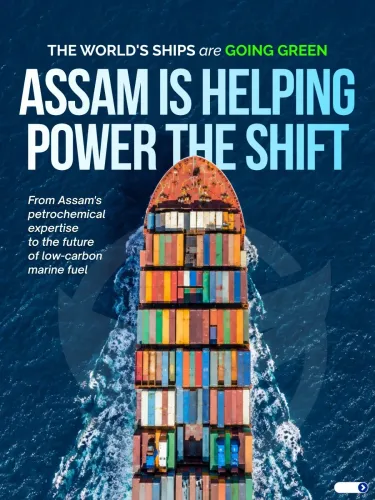
The announcement carries unmistakable symbolic weight. Assam sits atop one of India's oldest petroleum basins — Digboi hosted Asia's first oil refinery — yet CM Sarma is now staking the state's energy identity on the opposite end of the spectrum. E-methanol, produced by combining green hydrogen with captured carbon dioxide, can power ships, trucks, and industrial furnaces with a fraction of the emissions of conventional fuels. Positioning Assam as a production hub would mark a decisive departure from the state's hydrocarbon legacy.
Where e-methanol fits India's net-zero roadmap
India's National Green Hydrogen Mission, launched in January 2023, explicitly targeted the scaling of green hydrogen and its derivatives — e-methanol among them — as tools to slash fossil fuel imports and meet the country's net-zero by 2070 climate commitment. E-methanol is particularly prized because it is liquid at room temperature, making it far easier to store and transport than hydrogen gas, and directly substitutable in existing port and industrial infrastructure.
Individual states are being called upon to contribute production capacity to this national ambition, and Sarma's statement positions Assam as a willing participant rather than a passive beneficiary. The state's renewable energy resources — including significant hydro potential from its river systems — could supply the green electricity needed to run electrolysers at scale.
What still needs to land
The declaration is a statement of intent. Specific details — plant locations, production timelines, investment figures, and private or public partnerships — have not yet been announced. Those specifics will determine whether the pledge translates into installed capacity or remains aspirational. Watchers will also look for any formal linkage to central incentives under the Green Hydrogen Mission, which could unlock critical viability-gap funding for Assam's projects.
If the pieces fall into place, a state that once symbolised India's fossil-fuel age could emerge as a model for how legacy energy regions reinvent themselves. The story is just beginning — but the Chief Minister of Assam has made clear which direction he wants to travel.
Point of View
Capital, timelines — will be the real test of whether this is industrial strategy or declaration. If Assam can marry its river-fed renewable potential with e-methanol production at scale, it could become a compelling proof-of-concept for how India's traditional energy states transition without abandoning economic relevance.
NationPress
26 Sept 2026
Frequently Asked Questions
What is e-methanol and why is it important for India?
E-methanol is a liquid electrofuel produced by combining green hydrogen with captured carbon dioxide. It can replace conventional fuels in shipping, trucking, and industrial processes, and its liquid state makes it easier to store and transport than hydrogen gas — a key advantage for India's efforts to cut fossil fuel imports.
What did Assam CM Himanta Biswa Sarma say about e-methanol?
CM Sarma stated that Assam will produce e-methanol to help reduce India's dependence on fossil fuels and play a key role in realising the country's green energy potential, as announced on 26 September 2026.
How does Assam's e-methanol plan connect to India's National Green Hydrogen Mission?
India's National Green Hydrogen Mission, launched in January 2023, specifically targets scaling green hydrogen and its derivatives including e-methanol to meet the country's net-zero by 2070 climate commitment. Assam's production ambition aligns directly with that national framework.
When will Assam's e-methanol plants be built?
Specific project details including plant locations, production timelines, and investment partnerships have not yet been announced. The statement by CM Sarma is currently a declaration of intent.
Why is Assam a significant state for India's green energy transition?
Assam has historically been one of India's key petroleum-producing states, home to Asia's first oil refinery at Digboi. A shift toward e-methanol production would mark a significant pivot from fossil fuel extraction to clean fuel manufacturing.