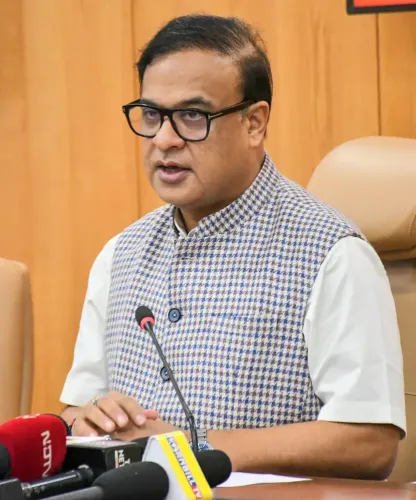
CM Himanta backs Amit Shah's Nasha Mukt Bharat 2029 pledge
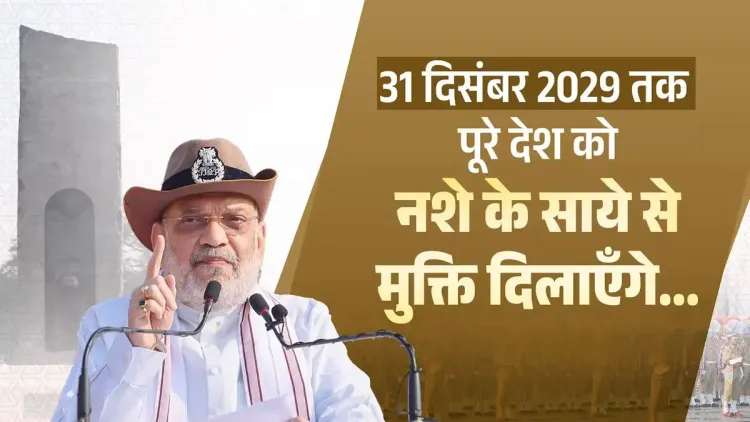
Synopsis
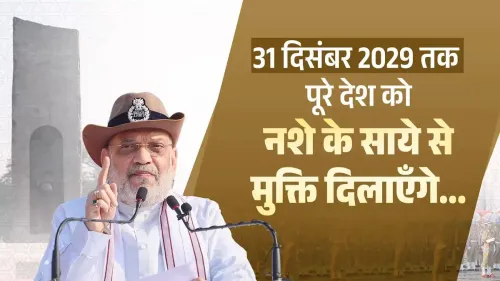
Assam Chief Minister Himanta Biswa Sarma has endorsed Union Home Minister Amit Shah's resolve to make India drug-free by December 31, 2029, pledging full state commitment to the national anti-narcotics campaign and highlighting Assam's strategic vulnerability as a northeastern border state.
Key Takeaways
Assam CM Himanta Biswa Sarma publicly backed Union Home Minister Amit Shah 's target to make India drug-free by December 31, 2029 .
Sarma described the goal as essential for 'a safe future for coming generations' and reaffirmed Assam's full commitment to the national effort.
Assam borders Myanmar and lies adjacent to the Golden Triangle , making it a key transit route for narcotics entering India.
The state's anti-drug strategy targets both dismantling drug networks and protecting youth from addiction — the twin pillars of the central Nasha Mukt Bharat Abhiyan launched in 2020.
Sarma's post tagged @HMOIndia , signalling formal institutional alignment between Dispur and New Delhi on narcotics enforcement.
As NEDA convenor , Sarma's endorsement carries potential influence over anti-drug postures across other northeastern states .
A generation's future — that is the stakes Assam Chief Minister Himanta Biswa Sarma placed on the table on Wednesday, October 21, 2026, when he publicly aligned his state's anti-drug campaign with Union Home Minister Amit Shah's national resolve to make India drug-free by December 31, 2029.
Posting in Hindi on X, CM Sarma described Shah's deadline as 'a clear goal in the direction of a safe future for our coming generations' (आने वाली पीढ़ियों के सुरक्षित भविष्य की दिशा में एक स्पष्ट लक्ष्य). He added that the Assam government is 'continuously taking action against drugs with this very thinking' and reaffirmed the state's 'full commitment' to the national effort — tagging @HMOIndia, the Home Ministry's official handle, to signal institutional alignment.
Why Assam sits at the sharp end of the drug crisis
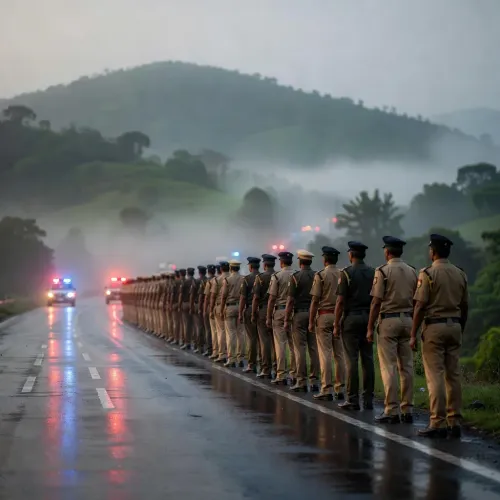
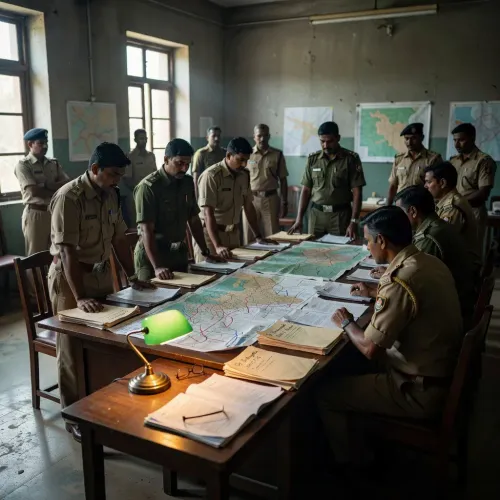
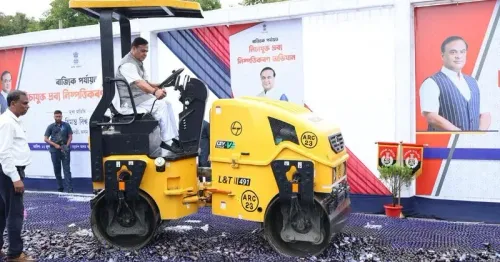
Assam's geography makes this pledge more than symbolic. The state shares a long border with Myanmar and sits on the edge of the Golden Triangle — the Southeast Asian region where Thailand, Laos, and Myanmar converge and where a significant share of the world's illicit opiates originates. For decades, that proximity has made the Northeast a transit corridor for narcotics moving deeper into India. Periodic seizures and enforcement drives by Assam Police have reflected this reality, and the state has repeatedly featured in national narcotics coordination frameworks. Sarma's statement specifically frames the fight in two tracks: striking at drug networks ('नशे के नेटवर्क पर प्रहार') and pulling young people out of addiction's grip ('युवाओं को इसकी गिरफ्त से बचाना'). The dual framing — law enforcement plus generational welfare — mirrors the architecture of the Nasha Mukt Bharat Abhiyan, launched in 2020 by the Ministry of Social Justice and Empowerment to reduce substance abuse among India's youth.Centre–state coordination on narcotics enforcement
The post is notable as much for its political choreography as its substance. By publicly invoking Shah's stated deadline and tagging the Home Ministry, Sarma is signalling vertical alignment between New Delhi and Dispur — a pattern that has become characteristic of BJP-ruled states reinforcing central security priorities. Sarma, as convenor of the North-East Democratic Alliance (NEDA), also carries regional weight: his endorsement could encourage other northeastern states to sharpen their own anti-narcotics postures ahead of the 2029 benchmark. The 2029 deadline itself sets a measurable clock. Progress will likely be tested through seizure volumes, conviction rates, and rehabilitation enrolment data — metrics that state governments will be expected to report against as the deadline approaches. A drug-free India by 2029 is the ambition on record. Whether Assam's enforcement machinery and rehabilitation infrastructure can match that ambition is the test that begins now.Point of View
Reinforcing both personal alignment and institutional loyalty. The 2029 benchmark is politically significant: it creates a traceable accountability window that spans at least one more election cycle. For the Northeast, where drug trafficking intersects with insurgency legacies and cross-border vulnerabilities, this framing elevates narcotics control from a policing issue to a civilisational agenda. Watch whether this rhetoric translates into measurable progress on seizures and rehabilitation infrastructure, or remains a rhetorical alignment play ahead of NEDA-level meetings.
NationPress
22 Oct 2026
Frequently Asked Questions
What is Amit Shah's drug-free India deadline?
Union Home Minister Amit Shah has set December 31, 2029 as the target date to make India free of narcotics, a goal that CM Himanta Biswa Sarma has publicly endorsed on behalf of Assam.
What is the Nasha Mukt Bharat Abhiyan?
The Nasha Mukt Bharat Abhiyan is a national programme launched in 2020 by the Ministry of Social Justice and Empowerment to tackle substance abuse, with a focus on protecting India's youth from drug addiction.
Why is Assam important in India's anti-drug efforts?
Assam shares a border with Myanmar and is geographically close to the Golden Triangle — a major global source of illicit opiates — making it a critical transit corridor for narcotics entering India.
What action has Assam taken against drugs?
The Assam government under CM Himanta Biswa Sarma has conducted periodic seizures and enforcement drives targeting drug networks, alongside awareness campaigns aimed at keeping young people away from addiction.
What is NEDA and why does Himanta Biswa Sarma's statement matter for the Northeast?
The North-East Democratic Alliance (NEDA) is a political alliance of BJP and allied parties in the Northeast, convened by CM Sarma. His endorsement of the national anti-drug drive could encourage other northeastern states to align their own enforcement priorities with the 2029 target.