CM Himanta Vows to Break Every Drug Network in Assam
Synopsis
Assam CM Himanta Biswa Sarma, responding to Home Minister Amit Shah's encouragement, vows to continue aggressive anti-narcotics operations under PM Modi's Vision Document on Narcotics Control 2026-29 until every drug network in the state is broken.
Key Takeaways
Assam CM Himanta Biswa Sarma publicly committed to dismantling all drug networks in the state on October 15, 2026 .
The pledge is anchored to the Vision Document on Narcotics Control 2026-29 , the Centre's multi-year anti-drug roadmap.
Union Home Minister Amit Shah 's encouragement signals tight Centre-state coordination on narcotics enforcement in the northeast.
Assam's campaign sits within the Nasha Mukt Bharat Abhiyan , a national demand-reduction programme launched in August 2020 .
Assam's proximity to the Golden Triangle makes it a critical frontline state in India's narcotics control strategy.
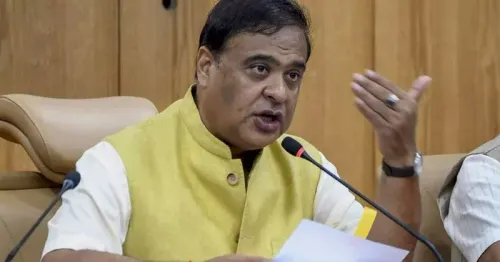
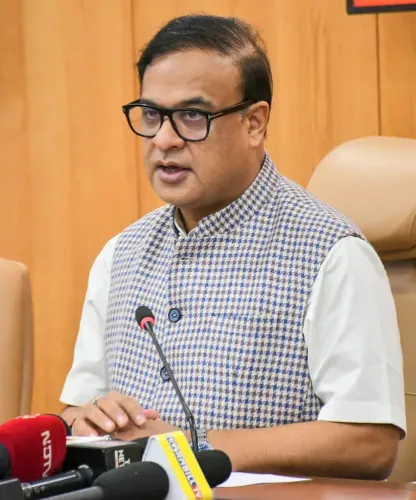
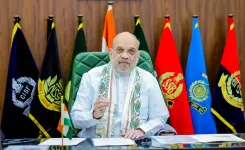
A war on drugs in India's northeast just got a fresh public commitment. Assam Chief Minister Himanta Biswa Sarma on Thursday, October 15, 2026, acknowledged encouragement from Union Home Minister Amit Shah and declared that Assam will press its anti-narcotics campaign until every drug network is dismantled — anchoring the pledge squarely to Prime Minister Narendra Modi's vision and the newly framed Vision Document on Narcotics Control 2026-29.
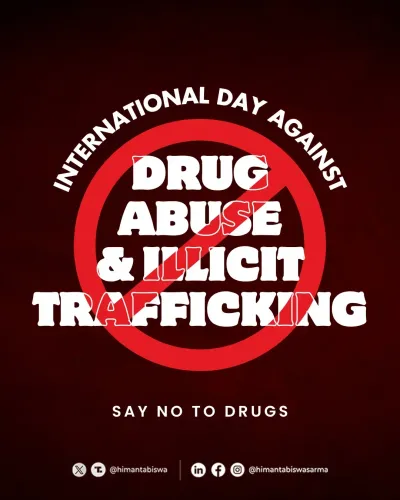
Sarma's post, tagged #NashaMuktAssam and #NashaMuktBharat, reads: 'Grateful for your encouragement, Adarniya Amit Shah ji. Guided by Hon'ble Prime Minister Shri Narendra Modi ji's vision and the Vision Document on Narcotics Control 2026-29, Assam will keep up the fight until every drug network is broken.' The language is unambiguous — this is not a progress report, it is a declaration of intent with a named finish line.
Assam at the edge of the Golden Triangle
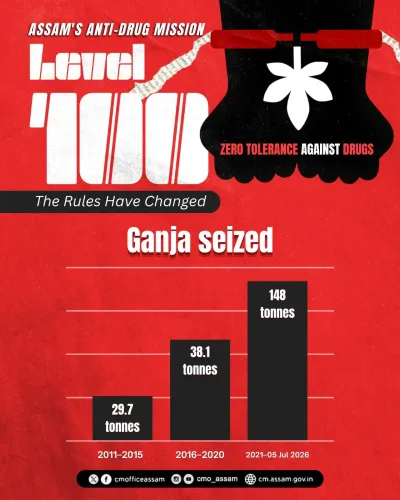
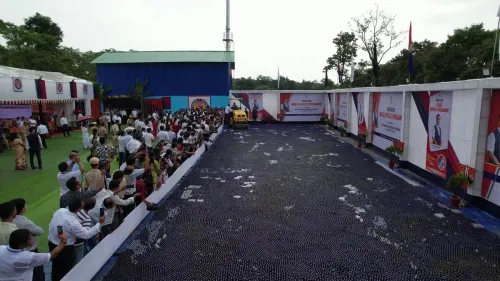
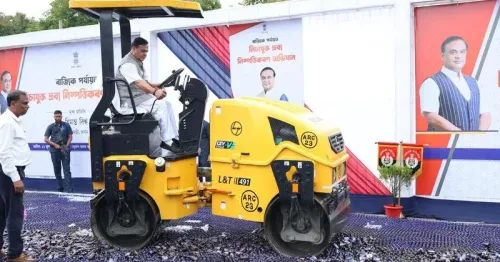
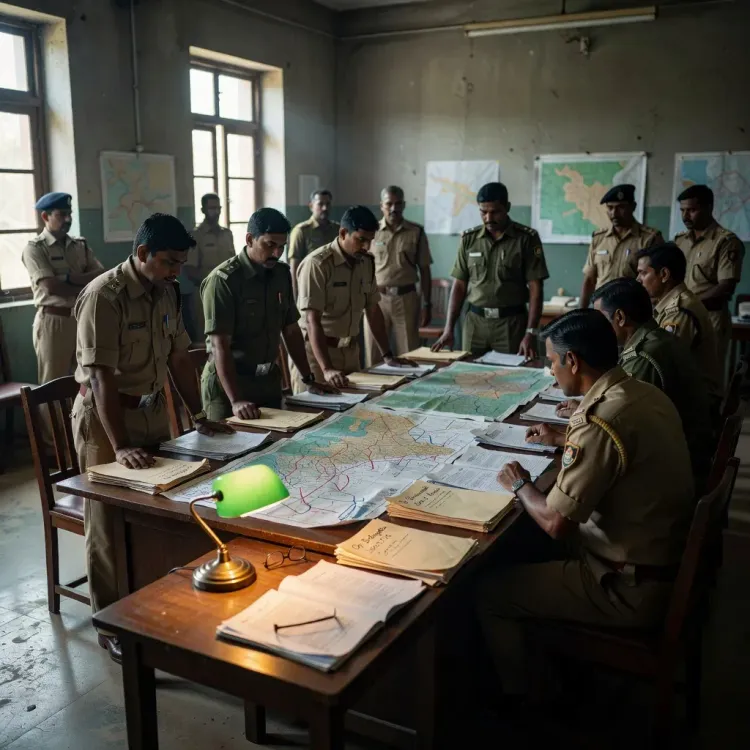
Assam's geography makes the stakes visceral. The state sits on supply corridors that feed from the Golden Triangle — the Myanmar-Laos-Thailand narcotics belt — into the Indian heartland. Since 2021, the state government has deployed special task forces targeting synthetic drugs and border trafficking, registering thousands of cases and destroying contraband worth hundreds of crores. Youth in border communities and urban centres remain the most exposed.
The broader architecture backing Sarma's campaign is the Nasha Mukt Bharat Abhiyan, a national programme launched in August 2020 by the Ministry of Social Justice and Empowerment to reduce demand for narcotics through awareness, outreach, and rehabilitation. Assam has been among the more aggressive state-level operators within that framework, pairing enforcement raids with community-level rehabilitation drives.
The Vision Document on Narcotics Control 2026-29
The reference to the Vision Document on Narcotics Control 2026-29 signals that the Union government has articulated a multi-year roadmap for the coming three years — bringing enforcement, demand reduction, and rehabilitation under a single strategic frame. Sarma's invocation of the document publicly aligns Assam's state-level operations with the Centre's timeline, a move that carries both administrative and political weight.
Amit Shah's role is central here. As Union Home Minister, Shah oversees both the Narcotics Control Bureau and internal security policy — making his encouragement a marker of top-level coordination between Dispur and New Delhi on the drug-control front.
The campaign's real test will come in the rollout of funding, enforcement targets, and rehabilitation infrastructure tied to the 2026-29 document. Sarma has now staked his public credibility on a zero-tolerance outcome. The clock is running.
Point of View
Raising accountability in both directions. For the northeast more broadly, where cross-border trafficking remains a chronic challenge, this kind of high-visibility commitment can accelerate inter-agency coordination. The real indicator of intent will be whether enforcement numbers, rehabilitation allocations, and border-security deployments follow in the months ahead.
NationPress
15 Oct 2026
Frequently Asked Questions
What is the Vision Document on Narcotics Control 2026-29?
The Vision Document on Narcotics Control 2026-29 is a central government framework outlining India's strategy for narcotics enforcement, demand reduction, and rehabilitation over the three-year period from 2026 to 2029.
What is Nasha Mukt Bharat Abhiyan?
Nasha Mukt Bharat Abhiyan is a national programme launched in August 2020 by the Ministry of Social Justice and Empowerment to reduce drug demand through awareness campaigns, community outreach, and rehabilitation support.
Why is Assam a focus for anti-drug operations in India?
Assam's location near the Golden Triangle — the Myanmar-Laos-Thailand narcotics belt — makes it a key transit corridor for synthetic drugs and other contraband entering India, making robust enforcement critical.
What role does Amit Shah play in India's narcotics control efforts?
As Union Home Minister, Amit Shah oversees the Narcotics Control Bureau and sets internal security policy, making him the nodal figure coordinating anti-drug strategy between the Centre and state governments.
What steps has the Assam government taken against drug trafficking?
Since 2021, Assam has deployed special task forces targeting synthetic drugs and border trafficking, conducted large-scale awareness drives, and integrated state operations with the national Nasha Mukt Bharat Abhiyan framework.