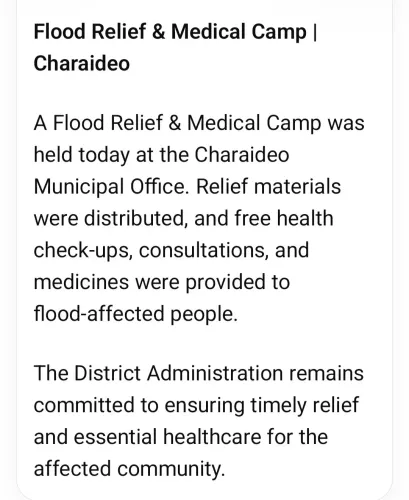
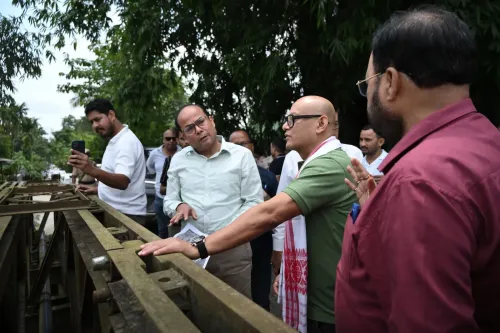
CM Himanta Briefs Media on Assam Floods Situation
Synopsis
Assam Chief Minister Himanta Biswa Sarma briefed the media on 25 July 2026 on the flood situation in the state, as the annual monsoon continues to impact communities across the Brahmaputra floodplains. The state government is coordinating relief and rescue operations through established disaster response mechanisms.
Key Takeaways
Assam CM Himanta Biswa Sarma held a media briefing on 25 July 2026 on the ongoing flood situation.
Assam faces recurrent monsoon flooding from the Brahmaputra river and its tributaries each year between June and September.
The Brahmaputra Board , set up in 1980 , coordinates flood control measures in the valley.
State relief operations are funded through the State Disaster Response Fund (SDRF) and central government support.
Flood-affected residents, agricultural communities, and infrastructure are the primary stakeholders impacted each season.
Further state government announcements on relief packages and damage assessments are expected in the coming days.
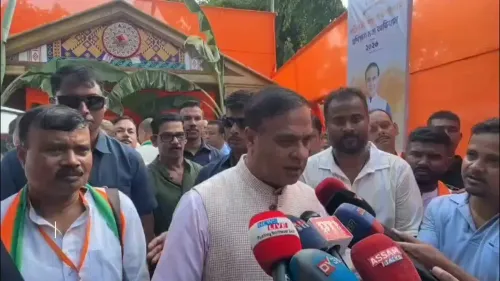
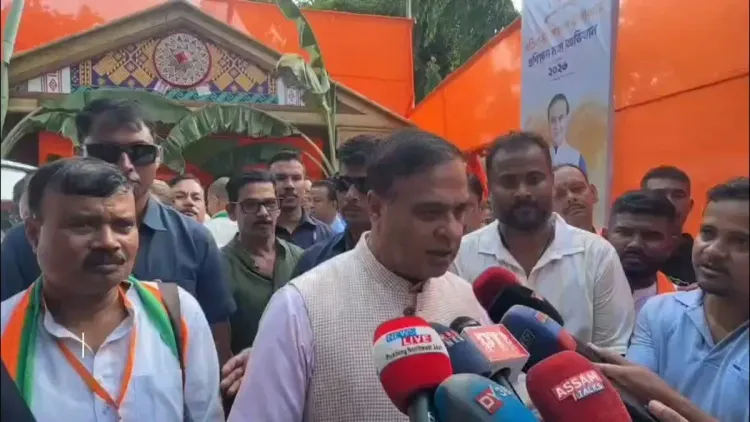
Assam Chief Minister Himanta Biswa Sarma addressed the media on Saturday, 25 July 2026, providing updates on the ongoing flood situation across the state as the monsoon season continues to batter the northeastern region.
Context
Sarma took to social media to inform the public that he had spoken to journalists regarding the Assam floods, sharing a video of the briefing. The post, brief by design, signals that the state government is actively communicating ground-level developments to the public during what is typically the most intense phase of the annual monsoon cycle.
Assam sits in the floodplains of the Brahmaputra river and its numerous tributaries, making it one of India's most flood-prone states. Each year between June and September, rising water levels displace communities, damage standing crops, and strain infrastructure across dozens of districts.
Policy Backdrop
Flood management in the Brahmaputra valley has been a long-standing governance challenge. The Brahmaputra Board, established in 1980, was created specifically to coordinate flood control and water resource development across the region, though the scale of annual flooding continues to test state and central response mechanisms.
During peak flood periods, the state government coordinates rescue operations and relief distribution through the State Disaster Response Fund (SDRF), supplemented by central allocations. Chief Ministerial media briefings are a standard part of this communication framework, keeping citizens, district administrations, and relief agencies aligned on the evolving situation.
Stakeholders and Impact
The communities most directly affected by Assam floods are rural households in low-lying districts along the Brahmaputra and its tributaries, as well as agricultural communities whose standing crops face inundation during the monsoon months. Livestock losses and damage to embankments and roads compound the humanitarian toll each season.
Relief workers, district administrations, and central agencies including the National Disaster Response Force (NDRF) are typically mobilised during such periods. The Chief Minister's media engagement serves to reassure flood-affected residents that the administration is monitoring the situation at the highest level.
What's Next
Further announcements from the Assam state government on damage assessments, relief package disbursements, and coordination with central agencies are expected as the monsoon season progresses through the coming weeks. The administration's response in the days following such briefings typically includes district-level relief camps, ex-gratia payments to affected families, and infrastructure repair timelines.
With the peak monsoon period still under way, the situation across vulnerable districts will remain closely watched by both state authorities and relief organisations operating on the ground.
Point of View
The state government signals institutional readiness even as the structural challenge of Brahmaputra flooding remains unresolved after decades. The briefing also fits into a broader arc of the BJP-led Assam government positioning itself as responsive on disaster governance, a key concern for the state's predominantly rural electorate. How quickly relief reaches affected households will ultimately determine the political and humanitarian weight of such communications.
NationPress
25 Jul 2026
Frequently Asked Questions
What did Assam CM Himanta Biswa Sarma say about the floods?
CM Himanta Biswa Sarma addressed the media on 25 July 2026 with updates on the Assam flood situation, sharing a video briefing on social media. Specific statistics from the briefing have not been independently detailed in the post.
How bad are the Assam floods in 2026?
The Assam floods in 2026 are unfolding during the peak monsoon period of July, consistent with the state's annual pattern of flooding from the Brahmaputra river and its tributaries. The Chief Minister's media briefing indicates the situation is significant enough to warrant direct executive communication.
Which districts in Assam are most affected by floods?
Low-lying districts along the Brahmaputra river and its tributaries are historically the most flood-prone in Assam. District-level specifics for the July 2026 event are subject to official state government announcements.
What relief is available for Assam flood victims?
Assam flood relief is typically provided through the State Disaster Response Fund (SDRF) and central government allocations, covering rescue operations, relief camps, and ex-gratia payments to affected families.
Why does Assam flood every year?
Assam floods annually because the state lies in the floodplains of the Brahmaputra river, one of the world's largest river systems, which swells significantly during the June-September monsoon season, inundating low-lying areas and affecting millions of people.