CM Himanta Flags 24x7 Assam Flood Relief Push
Synopsis
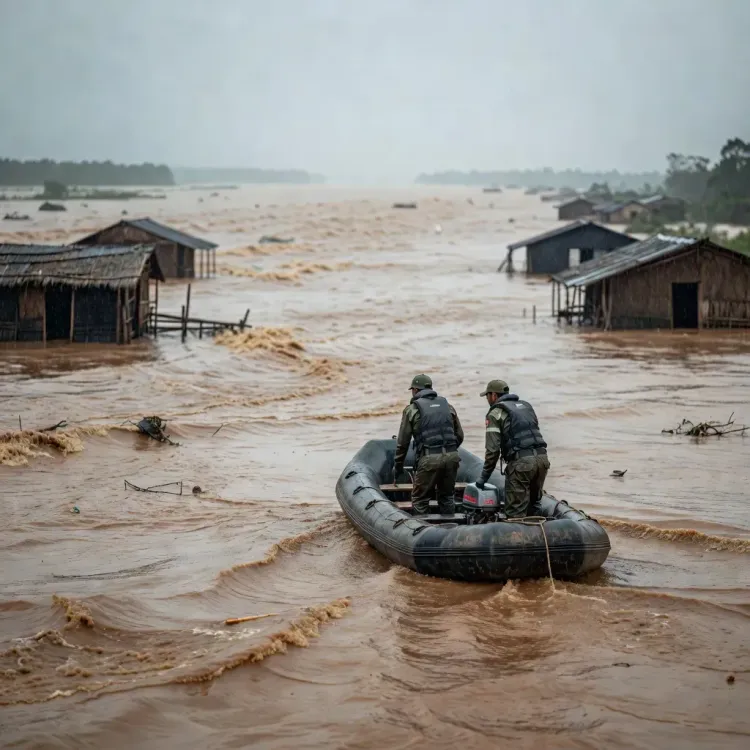
Assam Chief Minister Himanta Biswa Sarma says state teams have been running 24x7 flood relief operations since the floods began, with a stated focus on reaching every affected family faster and without pause during the 2026 monsoon season.
Key Takeaways
CM Himanta Biswa Sarma posted on 29 July 2026 flagging round-the-clock flood relief operations across Assam's worst-affected districts.
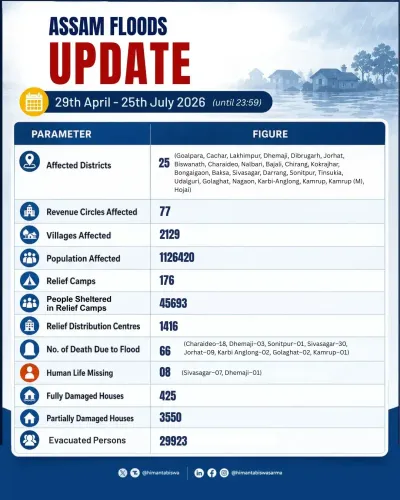
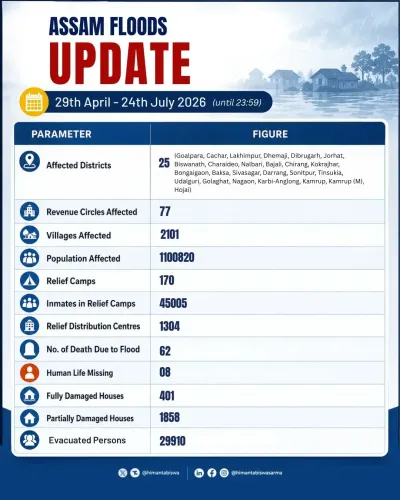
The post referenced relief numbers via an attached image but did not specify district names or precise figures in the text.
Assam faces annual monsoon flooding driven by the Brahmaputra and Barak river systems, typically between June and September .
Relief operations historically involve SDRF and NDRF battalions coordinated with district administrations.
Key milestones to watch include flood recession timelines, damage assessments, ex-gratia disbursements, and any central assistance requests.
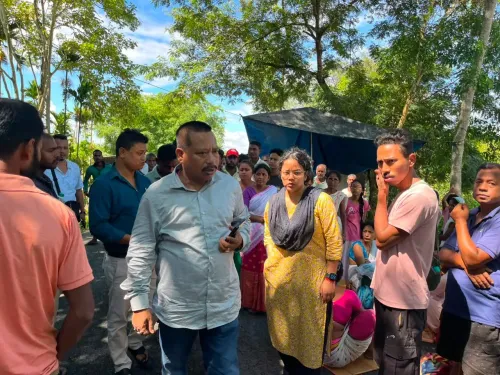
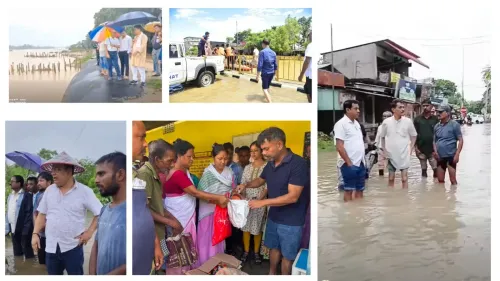
Assam is in the grip of another punishing monsoon season, and Chief Minister Himanta Biswa Sarma is signalling that the state machinery is running at full stretch. On Wednesday, 29 July 2026, Sarma posted on X that relief teams have been deployed around the clock across the worst-affected districts since the floods began, pointing to numbers he says demonstrate the scale of the operation.
The post, tagged #AssamFloods and #AssamFloodResponse, carried an image and a direct message: 'Our focus remains clear — to reach every affected family faster, better and without pause.' The Chief Minister did not specify the districts named or the precise relief figures, but framed the effort as a continuous, day-one commitment rather than a reactive surge.
Brahmaputra's annual reckoning
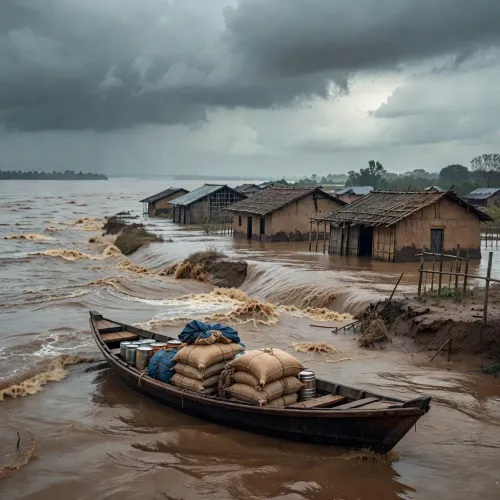
Assam's vulnerability to monsoon flooding is structural, not incidental. The Brahmaputra and Barak river systems, swollen by June-to-September rainfall across the Himalayan catchment, routinely breach embankments and inundate low-lying districts across the state. The pattern repeats every year — and every year, the pressure on district administrations to move fast is immense.
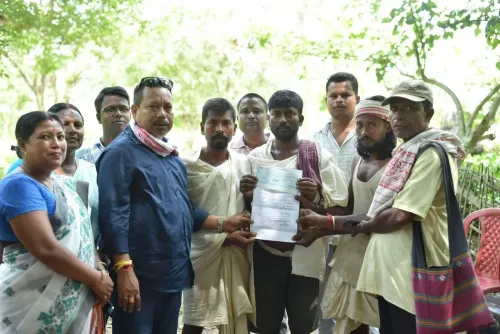
State governments have historically coordinated relief through the State Disaster Response Force (SDRF) and National Disaster Response Force (NDRF) battalions, supplemented by district-level civil administration. Food packets, temporary shelter, and essential supplies form the first wave; damage assessments and ex-gratia payments follow as waters recede.
Sarma's governance posture on disaster response
Since taking office in May 2021, Sarma has made visible, real-time communication during flood seasons a consistent feature of his administration — using social media to project both urgency and accountability. The current post continues that pattern, placing the Chief Minister personally on record about the pace and reach of relief. Whether the numbers referenced in the image hold up to independent scrutiny will matter as much as the mobilisation itself.
What to watch next: the pace of flood recession, the formal release of district-wise damage assessments, and whether Guwahati seeks additional central assistance or fresh NDRF deployments as the season progresses. In a state where the monsoon is not a crisis but a calendar event, how fast relief reaches the last village is the only metric that counts.
Point of View
The post sits within a broader BJP-in-Northeast narrative of administrative competence, where visible crisis management doubles as political capital. The test, as always, is whether the numbers behind the image match the pace on the ground.
NationPress
30 Jul 2026
Frequently Asked Questions
What is the current flood situation in Assam in 2026?
Assam is experiencing its annual monsoon flooding in 2026, with Chief Minister Himanta Biswa Sarma confirming that relief teams are deployed 24x7 across the worst-affected districts. Specific flood statistics for 2026 are yet to be officially released.
What relief measures has the Assam government taken for flood victims?
The state has mobilised teams across affected districts since the floods began, focusing on reaching every affected family. Historically, Assam's flood response involves SDRF and NDRF battalions, food distribution, temporary shelter, and eventual ex-gratia payments.
Which rivers cause flooding in Assam every year?
The Brahmaputra and Barak rivers, along with their tributaries, are the primary drivers of Assam's annual monsoon flooding, typically occurring between June and September.
What is the SDRF and how does it help during Assam floods?
The State Disaster Response Force (SDRF) is a state-level emergency unit that works alongside the National Disaster Response Force (NDRF) to conduct rescue, evacuation, and relief distribution during disasters like the Assam floods.
Has Assam received central government help for flood relief?
Assam has historically sought and received central assistance — including NDRF battalion deployments — during severe flood seasons. Whether additional central aid has been requested for the 2026 season has not yet been officially confirmed.