CM Himanta Highlights Asom Mala Road Project in Karbi Anglong Hills
Synopsis
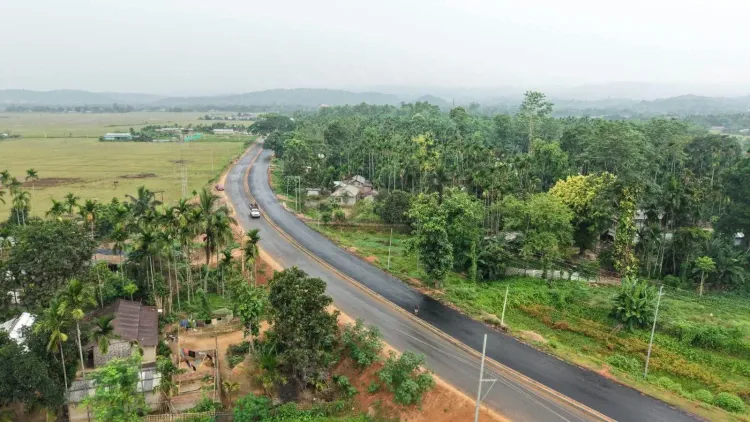
Assam Chief Minister Himanta Biswa Sarma on 6 July 2026 spotlighted an Asom Mala road project in Karbi Anglong, saying improved roads are reshaping travel between the state's plains and hill districts. The post highlights the BJP government's sustained infrastructure push across the Northeast.
Key Takeaways
Assam CM Himanta Biswa Sarma posted images of an Asom Mala road project in Karbi Anglong on 6 July 2026 .
The Asom Mala programme was initiated around 2017–18 to improve state road connectivity between Assam's plains and hill districts.
Karbi Anglong is an autonomous hill district with historically limited road access, making it a priority target for the programme.
The project complements the Centre's Bharatmala Pariyojana , launched in 2015 to modernise highways across the Northeast.
Improved connectivity is expected to benefit tribal communities, inter-district travellers, traders, and access to essential services in the hill belt.
Completion timelines and budget utilisation for remaining Asom Mala phases remain key metrics to watch.
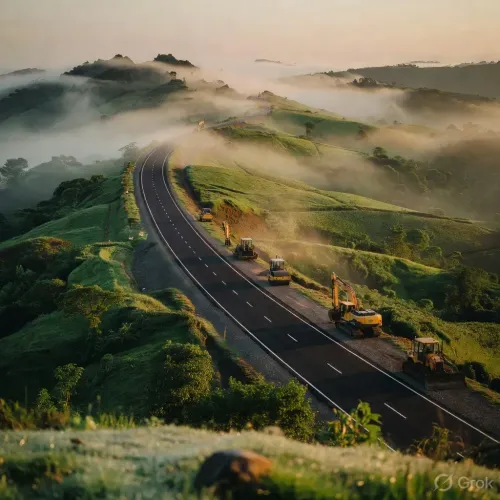
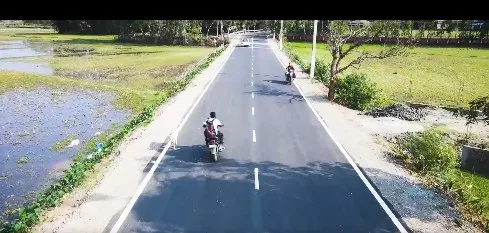
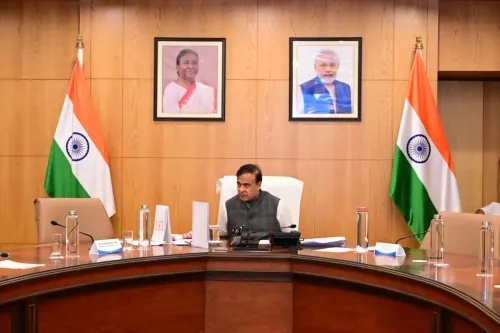
Assam Chief Minister Himanta Biswa Sarma on Monday, 6 July 2026, showcased a road infrastructure project under the state's flagship Asom Mala programme in the hill district of Karbi Anglong, saying the initiative is 'reshaping the way people travel, from the plains to the hills.'
Context
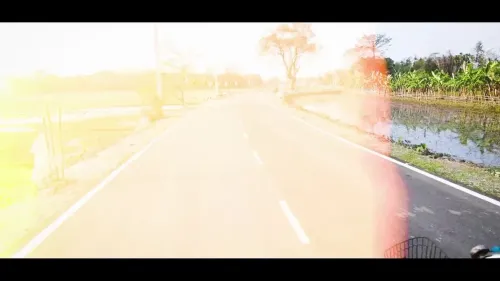
Karbi Anglong is an autonomous hill district in central Assam, home to Karbi and other tribal communities that have historically faced limited road connectivity compared with the state's plains districts. The Chief Minister shared images of the ongoing road work, framing it as part of a broader transformation under the #RoadsOfAssam campaign that the state government has promoted to highlight infrastructure gains.
Sarma's post described the project as 'one such Asom Mala project in the hills of Karbi Anglong,' underscoring that the district is among the hill areas being prioritised under the programme.
Policy Backdrop
The Asom Mala programme was initiated by the Assam government around 2017–18 to supplement central highway works with state roads linking plains and hill districts. It functions alongside the Centre's Bharatmala Pariyojana, launched by the Ministry of Road Transport and Highways in 2015, which expanded funding for highway development across the Northeast.
Together, the two programmes form the policy backbone of Assam's push for all-weather roads — a priority that the BJP-led state government has pursued since 2016. The emphasis on hill connectivity is particularly significant given that districts like Karbi Anglong have historically been harder to reach during monsoon months when older roads become impassable.
Stakeholders and Impact
Residents of Karbi Anglong and neighbouring hill communities stand to benefit most directly from improved road access, which eases inter-district travel, reduces transport costs for agricultural produce, and improves access to health and education services. The roads also carry administrative significance, enabling faster movement of government personnel and emergency services into terrain that was previously difficult to navigate.
Inter-district travellers and traders moving between the Brahmaputra Valley plains and the central hill belt represent another key stakeholder group. Improved connectivity is expected to reduce travel times and logistics costs, potentially stimulating local economic activity in the hill districts.
What's Next
Attention will now turn to the completion timelines and budget utilisation reports for the remaining phases of Asom Mala. Observers tracking infrastructure delivery in the Northeast will watch for project updates during Assam's annual budget session and any coordination announcements through the North-East Democratic Alliance (NEDA), of which Sarma serves as convenor.
The broader pattern suggests that road connectivity will remain a central plank of the BJP government's development narrative in Assam heading into future electoral cycles, with hill districts increasingly featured as evidence of equitable infrastructure outreach beyond the state's more accessible plains regions.
Point of View
Tangible infrastructure delivery in a historically underserved hill district. By specifically naming Karbi Anglong, Sarma signals outreach to a tribal constituency that has long demanded better connectivity and administrative attention. The Asom Mala branding also serves to distinguish state-level delivery from central schemes, reinforcing the narrative of a proactive BJP government in Assam. As the Northeast becomes an increasingly contested political theatre, road-building imagery doubles as both development communication and electoral groundwork.
NationPress
5 Oct 2026
Frequently Asked Questions
What is the Asom Mala project in Assam?
Asom Mala is a flagship road infrastructure programme launched by the Assam government around 2017–18 to upgrade and expand state roads, with a focus on linking the plains to hill districts like Karbi Anglong.
Where is Karbi Anglong and why does it matter for road connectivity?
Karbi Anglong is an autonomous hill district in central Assam, home to Karbi and other tribal communities. It has historically had limited road access, making infrastructure projects there particularly significant for local residents and inter-district travel.
What did Himanta Biswa Sarma post about roads on 6 July 2026?
Chief Minister Himanta Biswa Sarma shared images of an Asom Mala road project in the hills of Karbi Anglong, stating that the Roads of Assam initiative is reshaping travel from the plains to the hills.
How is Asom Mala related to Bharatmala Pariyojana?
Asom Mala is a state-level programme that works alongside the Centre's Bharatmala Pariyojana, launched in 2015, which provides national highway funding for the Northeast. Together they form the backbone of Assam's road connectivity push.
Who benefits from the Asom Mala roads in Karbi Anglong?
The primary beneficiaries are residents of Karbi Anglong and other hill communities, inter-district travellers, traders moving between the plains and hills, and people seeking better access to health, education, and government services.