CM Himanta joins Gohpur's cruelty-free goddess worship tradition
Synopsis
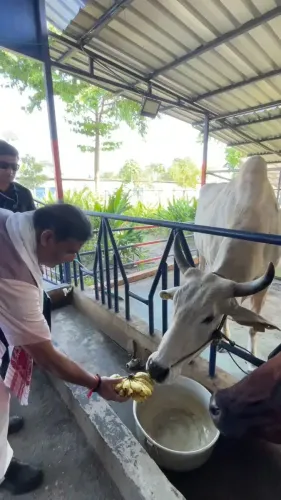
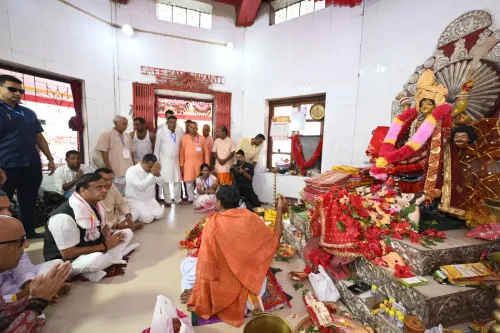
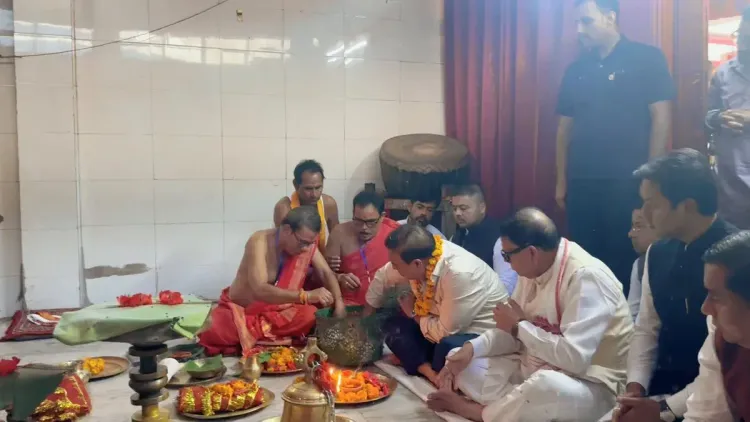
Assam Chief Minister Himanta Biswa Sarma visited Maa Kalyani Than in Gohpur, where animals are released — not sacrificed — as an act of goddess worship. He called the life-affirming tradition unique within Assam's diverse devotional landscape and expressed gratitude at being part of it.
Key Takeaways
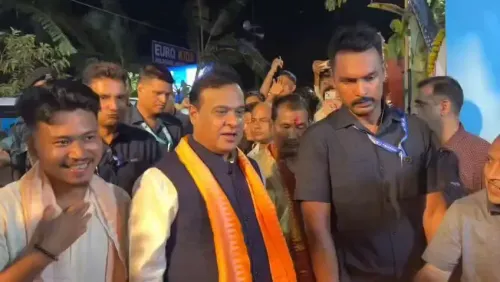
Assam CM Himanta Biswa Sarma participated in the worship tradition at Maa Kalyani Than, Gohpur in Biswanath district .
Unlike many temples across Assam where animal sacrifice is practiced, Maa Kalyani Than worships the goddess by releasing animals as a mark of devotion.
The Chief Minister described the deity as being worshipped in her life-giving form ( jeevanddayini swaroop ).
Sarma called Assam's goddess-worship traditions 'unique' , highlighting the diversity of ritual practice across the state.
The visit reflects Assam's broader pluralistic religious heritage, shaped by both Shakta and Vaishnavite influences stretching back centuries.
In a state where the drums of animal sacrifice echo through countless festival nights, one temple in Gohpur, Assam has quietly held a different kind of devotion — releasing animals as an act of reverence, not ending their lives. Assam Chief Minister Himanta Biswa Sarma shared on Saturday, November 14, 2026, that he had the privilege of becoming part of this rare tradition at Maa Kalyani Than.
Posting in Hindi, the Chief Minister wrote: 'असम में देवी आराधना की परंपराएँ अनूठी हैं' — 'The traditions of goddess worship in Assam are unique.' He noted that while animal sacrifice is practiced at many sites across the state, Maa Kalyani Than in Gohpur stands apart — here, animals are set free in the goddess's name, and the deity is worshipped in her life-giving form, jeevanddayini swaroop.
Gohpur's Maa Kalyani Than: where life is the offering
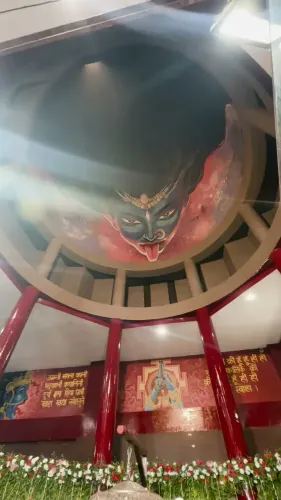
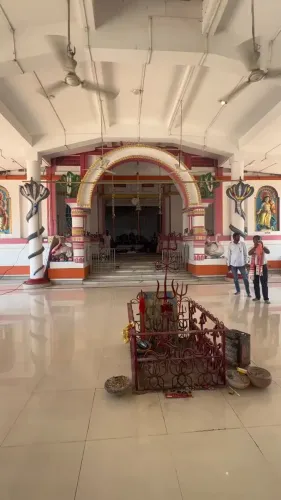
Gohpur is a town in Biswanath district, tucked in the northern reaches of Assam. The Maa Kalyani Than temple there carries a tradition that inverts the dominant ritual logic of shakti worship in the region. Where many tantric or Shakta shrines across Assam — most famously Kamakhya in Guwahati — have historically been associated with animal sacrifice, Kalyani Than's practice of freeing animals maps the goddess onto compassion rather than propitiation through blood.
The distinction is not merely theological. It reflects the plurality baked into Assam's religious landscape — a patchwork of tribal customs, Vaishnavite influence, and Shakta practice that has coexisted and cross-pollinated for centuries. The Vaishnavite reform movement led by the saint-scholar Srimanta Sankardeva in the 15th and 16th centuries championed non-violence and pushed back against sacrifice traditions, leaving a deep imprint on Assamese religious culture. Maa Kalyani Than's tradition can be seen as part of that longer current of devotional plurality.
A chief minister's calendar — and what it signals
Temple visits and festival participation are a fixture of CM Sarma's public calendar and are common across Assam's political landscape. But the deliberate framing here — the contrast he draws between sacrifice and liberation, and his description of being 'fortunate' (saubhagya praapt hua) to participate — gives this post a tone of genuine cultural pride rather than routine optics.
It also carries a soft but clear message about the richness of local variation within the broader tradition of goddess worship. By spotlighting a temple that chooses life over sacrifice, the Chief Minister places a quiet emphasis on the idea that Assam's devotional identity cannot be flattened into a single image.
Assam's diverse ritual traditions are rarely front-page material — but when a Chief Minister takes the time to narrate them with this kind of specificity, it nudges those traditions from the margins of public consciousness toward the centre. That, in itself, is a form of cultural preservation.
Point of View
In a state where identity politics around religion and ethnicity can be charged. For a Chief Minister who frequently deploys cultural and civilisational messaging, amplifying a temple known for compassion adds texture to that project. It also feeds into a broader BJP-era emphasis on mainstreaming regional traditions within a pan-Hindu framework — though here, the local specificity is front and centre.
NationPress
14 Nov 2026
Frequently Asked Questions
What is Maa Kalyani Than in Gohpur, Assam?
Maa Kalyani Than is a temple in Gohpur, Biswanath district, Assam, known for a tradition of worshipping the goddess by releasing animals rather than sacrificing them, treating the deity in her life-giving form.
Why did Himanta Biswa Sarma visit Maa Kalyani Than?
CM Himanta Biswa Sarma visited to participate in the temple's unique goddess-worship tradition, which he described as a rare and sacred practice of setting animals free as an offering to the deity.
Is animal sacrifice practiced in Assam temples?
Animal sacrifice is part of the tradition at several temples across Assam, particularly at major Shakta shrines. However, Maa Kalyani Than in Gohpur is a notable exception, where animals are freed rather than sacrificed.
Where is Gohpur located in Assam?
Gohpur is a town in Biswanath district in northern Assam, and is home to the Maa Kalyani Than temple known for its compassionate worship tradition.
What makes Assam's goddess worship traditions unique?
Assam's goddess-worship traditions vary widely across the state, blending Shakta, Vaishnavite, and tribal influences. This diversity means practices like blood sacrifice and cruelty-free worship coexist within the same religious culture.