CM Himanta Hails Assam Eidgah Panels' Cow Sacrifice Restraint

Synopsis
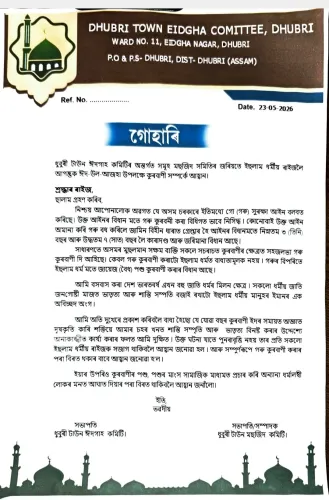
Assam CM Himanta Biswa Sarma on 26 May 2026 lauded several Eidgah committees for voluntarily urging communities to forgo cow sacrifice during Eid-ul-Adha, calling it praiseworthy and appealing to all citizens to join the Gau-Raksha Abhiyan in honour of Assam's and India's traditions.
Key Takeaways
CM Himanta Biswa Sarma publicly praised Eidgah committees in Assam for calling on communities to refrain from cow sacrifice during Eid-ul-Adha .
The Chief Minister described the committees' decision as 'praiseworthy' and urged all citizens to contribute to the Gau-Raksha Abhiyan .
He framed the appeal as an act of respect for 'Sanatan sentiments' and the civilisational traditions of Assam and India .
The Assam BJP government has strengthened cow-protection enforcement since coming to power in 2016 , including restrictions on illegal slaughter and cattle transport.
The statement fits a broader BJP national pattern since 2014 of using cow protection as a cultural-policy plank and seeking voluntary restraint from minority communities during festivals.
Responses from Muslim organisations and potential new legislative proposals in the Assam Assembly on cow protection are the key developments to watch.
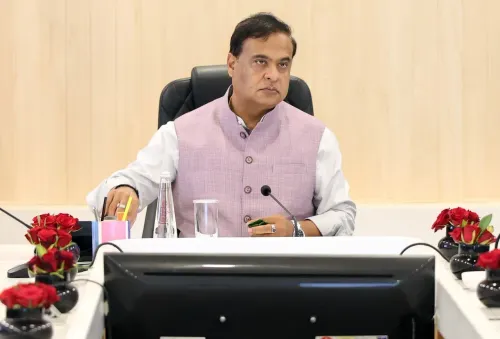
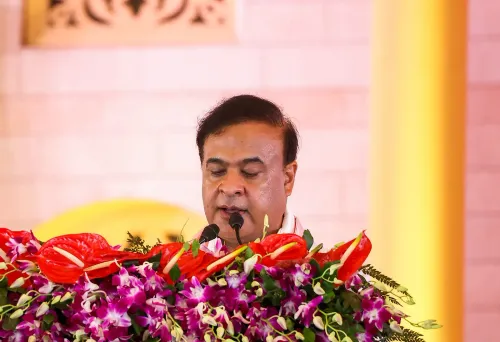
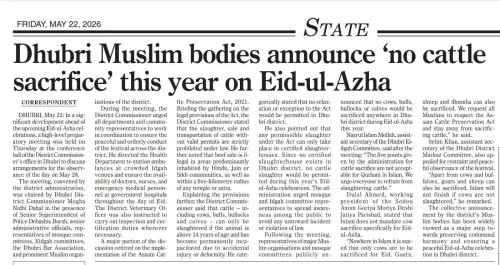
Assam Chief Minister Himanta Biswa Sarma on Tuesday, 26 May 2026, publicly praised several Eidgah committees in Assam for voluntarily calling on their communities to refrain from cow sacrifice during Eid-ul-Adha, describing the move as a mark of respect for Sanatan Hindu sentiments.
Context
Writing in Hindi on X, CM Sarma stated: 'सनातनी भावनाओं का सम्मान करते हुए असम में कई ईदगाह समितियों ने इस बार ईद में गौ-कुर्बानी से परहेज़ करने का आह्वान किया है' — meaning, 'Respecting Sanatan sentiments, several Eidgah committees in Assam have this time called for refraining from cow sacrifice during Eid.' He called the decision 'praiseworthy' and urged all citizens to contribute to the Gau-Raksha Abhiyan (cow protection campaign) while honouring the civilisation and traditions of Assam and India.
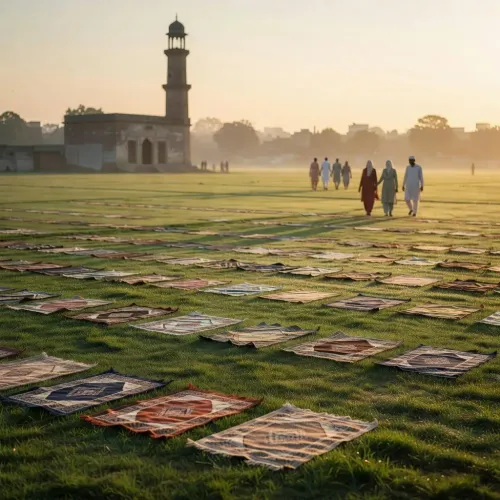
Eidgah committees are local bodies within Muslim communities that organise Eid prayers and manage arrangements for the festival, including animal sacrifice. The appeal attributed to these committees, if acted upon, would represent a voluntary departure from a practice that is a central religious rite for many Muslims during Eid-ul-Adha.
Policy Backdrop
Since the BJP came to power in Assam in 2016, the state government has progressively tightened enforcement around cow protection, including stricter measures against illegal slaughter and the transport of cattle. These steps have been framed by the ruling dispensation as a defence of indigenous and Sanatan traditions in a state with a significant Muslim population.
The broader national pattern since 2014 has seen BJP-governed states use cow protection as a cultural-policy plank, with periodic public appeals to minority communities for voluntary restraint during festivals. Similar statements by BJP leaders have been made in northeastern and Hindi-heartland states in previous Eid seasons, making CM Sarma's post consistent with that established political communication strategy.
Stakeholders and Impact
Hindu organisations and groups aligned with the Gau-Raksha Abhiyan are likely to welcome the Chief Minister's endorsement, viewing it as official recognition of their campaign's social reach. For Muslim communities in Assam, the statement arrives as a high-profile political signal ahead of the festival, at a time when the intersection of religious practice and state policy remains sensitive.
The voluntary nature of the Eidgah committees' reported appeal is significant: it allows the government to cite community consent rather than legal compulsion. However, Muslim religious and civil society groups have in the past raised concerns about the cumulative pressure such public endorsements can place on minority communities around religious observances.
What's Next
Attention will now focus on responses from major Muslim organisations and community leaders in Assam regarding the scope and voluntary character of the reported appeal. Observers will also watch whether the Assam Assembly sees fresh legislative proposals on cow protection in the coming sessions.
If the pattern of voluntary restraint cited by CM Sarma widens, it could become a template cited by other BJP-governed states during future Eid-ul-Adha cycles, deepening the intersection of cultural politics and festival governance across India's northeastern and mainland states.
Point of View
The statement insulates the government from charges of coercion while still placing the cow-protection agenda at the centre of festival discourse. This approach mirrors a wider BJP strategy of using public praise to institutionalise voluntary restraint, making future non-compliance politically and socially costlier for minority communities. The statement will likely sharpen the debate in Assam about the boundary between cultural accommodation and religious freedom ahead of Eid-ul-Adha.
NationPress
10 Oct 2026
Frequently Asked Questions
Why did Assam CM Himanta Biswa Sarma praise Eidgah committees?
CM Himanta Biswa Sarma praised several Eidgah committees in Assam for voluntarily calling on Muslim communities to refrain from cow sacrifice during Eid-ul-Adha , saying the decision respected Sanatan Hindu sentiments and was praiseworthy.
What is the Gau-Raksha Abhiyan in Assam?
The Gau-Raksha Abhiyan is a cow-protection campaign promoted by the BJP government in Assam , which has included stricter enforcement against illegal cattle slaughter and transport since the party came to power in 2016 .
Is cow slaughter banned in Assam?
Assam has progressively tightened cow-protection laws since 2016 , with restrictions on illegal slaughter and cattle transport; the Assam BJP government has made cow protection a key cultural-policy focus, though the specifics of current law should be verified with official state sources.
What do Eidgah committees do during Eid-ul-Adha?
Eidgah committees are local bodies in Muslim communities that organise Eid prayers and manage festival arrangements, including animal sacrifice, which is a central religious rite during Eid-ul-Adha .
How does Assam's cow protection policy fit into national BJP politics?
Assam 's cow-protection push is part of a broader BJP national pattern since 2014 of using cow protection as a cultural-policy plank, with similar public appeals to minority communities during Eid seasons seen in other BJP -governed northeastern and Hindi-heartland states.