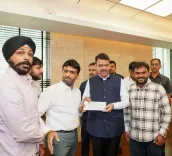
CM Himanta marks 75th Karbi Anglong Day, hands 702 teacher letters
Synopsis
Chief Minister Himanta Biswa Sarma attended the 75th Karbi Anglong Day on 18 November 2026 and distributed 702 teacher appointment letters, addressing long-standing school staffing shortages in Assam's largest autonomous hill district.
Key Takeaways
702 teacher appointment letters were distributed at the 75th Karbi Anglong Day celebrations on 18 November 2026 .
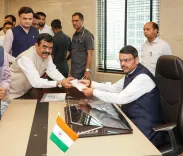
CM Himanta Biswa Sarma personally handed over the letters, linking the ceremonial occasion to a concrete recruitment announcement.
Karbi Anglong , formed in 1951 , is Assam's largest district and home to a majority Karbi tribal population with historically acute teacher shortages.
Assam has conducted statewide teacher eligibility tests and recruitment drives since 2019 to fill vacancies in hill and tribal district schools.
Linking district-anniversary celebrations with public-sector appointment announcements is an established pattern in Assam's governance calendar.
Whether the 702 appointees assume duties in remote postings will be the critical next metric for the district's schools.
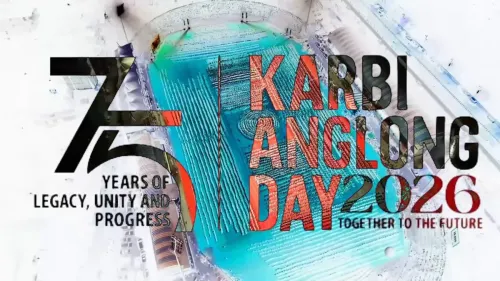
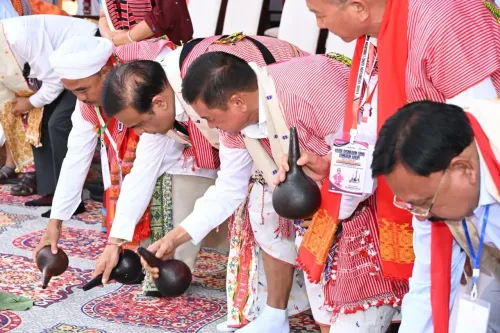
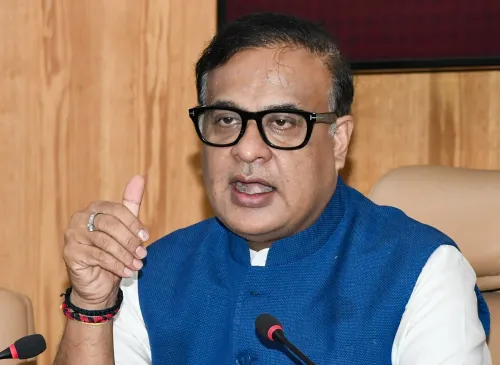
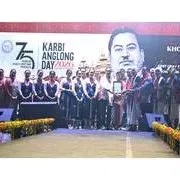
Seven hundred and two teachers received appointment letters on Wednesday, 18 November 2026 — a symbolic act of governance timed to one of Assam's most storied district anniversaries. Chief Minister Dr Himanta Biswa Sarma attended the 75th Karbi Anglong Day celebrations and personally distributed the letters, turning a ceremonial occasion into a concrete employment milestone for the autonomous hill district.
Karbi Anglong at 75: a district, a people, a milestone
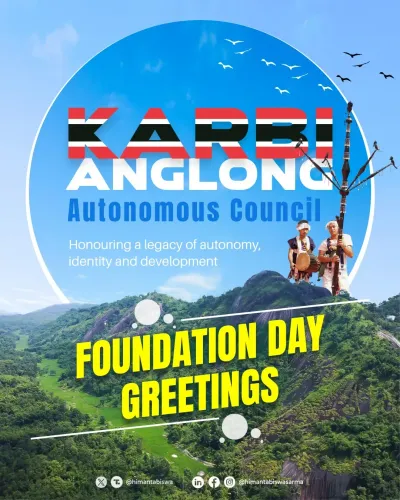
Karbi Anglong, Assam's largest district by area, was formed in 1951 and is administered under the Karbi Anglong Autonomous Council. Home to a majority Karbi tribal population, the district has long faced acute shortages of trained teachers in its elementary and secondary schools — shortages that have historically translated into lower enrolment and learning outcomes in one of the state's most remote hill regions. The 75th foundation day, therefore, was not merely a commemorative calendar date; it carried the weight of seven decades of aspirations.
Sarma, who served as Assam's education minister before becoming Chief Minister in 2021, has made teacher recruitment a signature policy thread. The state has conducted statewide teacher eligibility tests and structured recruitment drives since 2019 to plug vacancies across elementary and secondary institutions, with particular urgency in hill and tribal districts.
702 letters, one district's classroom crisis addressed
Distributing 702 appointment letters in a single ceremony is a meaningful number for a district the size of Karbi Anglong. Each letter represents a classroom, potentially hundreds of students, and a family lifted by public-sector employment. The Assam government has used district-formation anniversaries as recurring anchors for such announcements — a deliberate choreography that links administrative history with present-day delivery.
The broader pattern across the state has been to treat teacher recruitment not as a bureaucratic backlog but as a frontline development intervention, especially in areas where private-sector job creation remains limited and government employment carries outsized social weight.
What follows the letters
Appointment letters are a beginning, not an end. The critical test for Karbi Anglong's schools will be whether these 702 appointees assume duties in their assigned postings — particularly in the more remote sub-divisions — and whether the state follows through with subsequent recruitment phases to address any remaining vacancies. The district's students, parents, and the Karbi Anglong Autonomous Council will be watching the transition from letter to classroom closely.
For a region marking three-quarters of a century since its formation, the sight of hundreds of young educators walking out of a government ceremony with appointment letters in hand is, at its core, an argument that the state is investing in the next 75 years.
Point of View
Who built his brand as education minister on recruitment reform, distributing 702 teacher letters in Karbi Anglong reinforces that narrative in a tribal belt where the BJP has worked hard to consolidate support. The deeper policy question is structural: appointment ceremonies are visible, but sustained teacher presence in remote hill postings is the harder, less photogenic challenge that will ultimately determine whether this investment pays off in learning outcomes.
NationPress
18 Nov 2026
Frequently Asked Questions
What is Karbi Anglong Day and why is 2026 significant?
Karbi Anglong Day marks the formation of Karbi Anglong district in 1951 . The 2026 celebration is the 75th anniversary of the district's establishment, making it a landmark diamond-jubilee observance.
How many teacher appointment letters did CM Himanta distribute at Karbi Anglong Day 2026?
Chief Minister Himanta Biswa Sarma distributed 702 teacher appointment letters at the 75th Karbi Anglong Day celebrations on 18 November 2026 .
What is the Karbi Anglong Autonomous Council?
The Karbi Anglong Autonomous Council is the self-governing administrative body for Karbi Anglong district in Assam, constituted to protect the political, cultural, and economic rights of the predominantly Karbi tribal population of the region.
What has Assam done to fill teacher vacancies in tribal and hill districts?
Since 2019 , the Assam government has conducted statewide teacher eligibility tests and structured recruitment drives specifically aimed at filling vacancies in elementary and secondary schools across hill and tribal districts, including Karbi Anglong.
What is CM Himanta Biswa Sarma's background in education?
Himanta Biswa Sarma , who became Chief Minister of Assam in 2021 , previously served as the state's education minister and oversaw several teacher recruitment and eligibility test reforms before assuming the chief ministerial role.