CM Himanta Highlights Orunodoi's Role in Empowering Assam Women
Synopsis
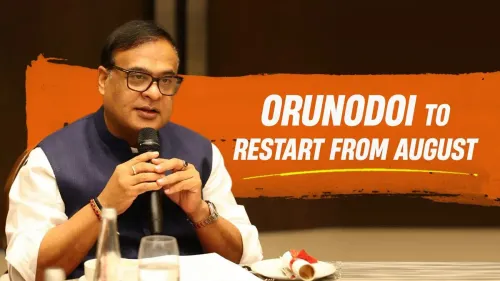
Assam CM Himanta Biswa Sarma spotlighted the Orunodoi scheme on August 8, 2026, sharing a video with beneficiaries and calling the Rs 1,250 monthly direct transfer a source of dignity, hope, and financial independence for low-income women across the state.
Key Takeaways
Orunodoi provides Rs 1,250 per month directly to eligible women from low-income households in Assam .
The scheme was launched in October 2020 and has been continued by the current BJP-led government under CM Himanta Biswa Sarma .
Sarma described the scheme as giving beneficiaries 'a sense of respect in every household' and reducing dependence on others for daily needs.
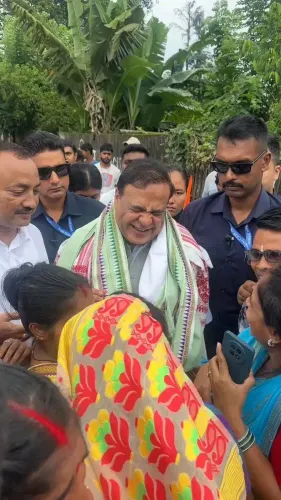
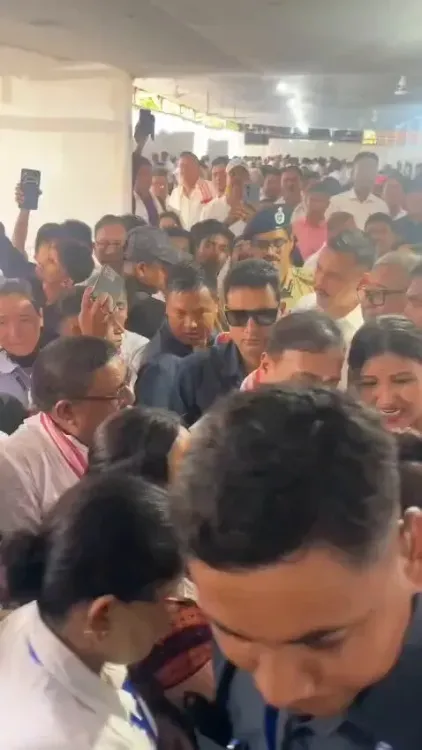
The post featured a video with women beneficiaries, captioned 'With happy sisters,' emphasising ground-level engagement over formal announcements.
Assam has prioritised women-centric cash transfer programmes since 2020 as a core pillar of state social security in the Northeast.
A monthly transfer of Rs 1,250 — modest on paper, transformative in practice. Assam Chief Minister Himanta Biswa Sarma on Saturday, August 8, 2026, shared a video of beneficiaries of the state's flagship Orunodoi scheme, describing the look in their eyes as one of 'fulfilment and hope.'
What Orunodoi promises — and delivers
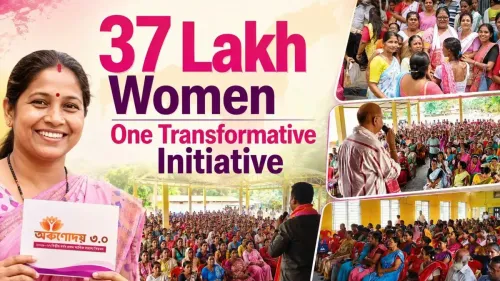
Launched in October 2020, Orunodoi — the name means 'sunrise' in Assamese — is a direct benefit transfer programme targeting women from low-income households across Assam. Each eligible woman receives Rs 1,250 per month directly into her account, with no intermediary, no queue, no negotiation. The design is deliberate: put money in a woman's hands, and watch the household dynamic shift.
Sarma framed it in exactly those terms, saying the scheme has 'given them a sense of respect in every household and elevated their ability to fulfil day to day needs without having to depend on others.' That word — depend — is doing a lot of work. Financial dependency within households is a structural reality for millions of women in rural Northeast India, and a predictable monthly income, however modest, chips away at it.
'Happy sisters' and the politics of visibility
The post, captioned 'With happy sisters,' pairs the policy message with a personal, ground-level visual — a Chief Minister among beneficiaries, not behind a podium. It is a deliberate register: welfare as relationship, not bureaucracy. The BJP-led government in Assam has consistently foregrounded Orunodoi as a symbol of its social contract with women voters in the state.
The scheme predates Sarma's tenure — it was initiated by the previous administration — but the current government has continued and amplified it as a centrepiece of state-level social security. That continuity across political transitions speaks to the scheme's embedded popularity on the ground.
Assam's women-first welfare bet
Assam has leaned hard into women-centric cash transfers since 2020, positioning them alongside other targeted welfare measures as the backbone of social security in the Northeast. The logic is straightforward: direct transfers bypass leakage, reach the intended recipient, and generate measurable household impact faster than infrastructure-heavy programmes. Whether the state's budget allocations and any formal impact assessments in the coming legislative session will back up the sentiment on the ground is the next question worth watching.
For now, the Chief Minister's message is clear: Orunodoi is not just a line item. It is, he argues, a sunrise — one household at a time.
Point of View
Sarma is reinforcing a political narrative that frames the BJP's Northeast governance as welfare-first and women-centric. The scheme's survival across two administrations signals rare cross-political durability, lending it credibility beyond electoral optics. The real test will be whether upcoming budget sessions expand coverage and whether independent impact data matches the human stories being amplified on social media.
NationPress
8 Aug 2026
Frequently Asked Questions
What is the Orunodoi scheme in Assam?
Orunodoi is an Assam government scheme that provides a monthly direct benefit transfer of Rs 1,250 to eligible women from low-income households to support daily expenses and promote financial independence.
Who is eligible for the Orunodoi scheme?
Women from low-income households in Assam are the primary beneficiaries of the Orunodoi scheme, which targets those who lack independent financial means for daily household needs.
When was the Orunodoi scheme launched?
The Orunodoi scheme was launched in October 2020 by the Assam government and has been continued under Chief Minister Himanta Biswa Sarma 's BJP-led administration.
How much money does Orunodoi give to beneficiaries?
Each eligible beneficiary receives Rs 1,250 per month as a direct bank transfer under the Orunodoi scheme.
What did CM Himanta Biswa Sarma say about Orunodoi in 2026?
On August 8, 2026 , CM Sarma shared a video with beneficiaries and said the scheme has given women 'a sense of respect in every household' and reduced their dependence on others for daily needs.