CM Himanta Launches New Orunodoi Phase for Assam Families
Synopsis
Assam Chief Minister Himanta Biswa Sarma has launched a new phase of the Orunodoi scheme on August 1, 2026, extending monthly direct cash transfers to lakhs of women from economically weaker sections across the state, continuing a welfare programme that began in 2020.
Key Takeaways
CM Himanta Biswa Sarma announced a new phase of the Orunodoi scheme on August 1, 2026 .
Orunodoi was launched in 2020 to provide monthly direct cash transfers of Rs 1,250 to eligible women from economically weaker sections in Assam .
The scheme targets women beneficiaries in low-income households through direct bank transfers.
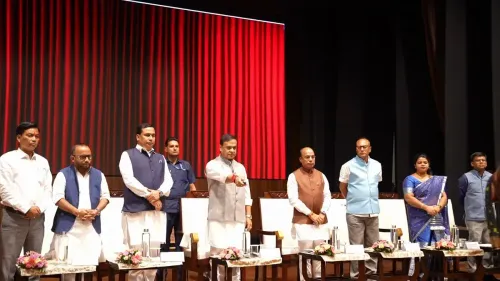
The new phase is described as a 'new chapter,' with the rollout accompanied by a live broadcast event.
Updated beneficiary numbers and any revised transfer amounts are expected to be detailed in upcoming official announcements and the next Assam assembly session.
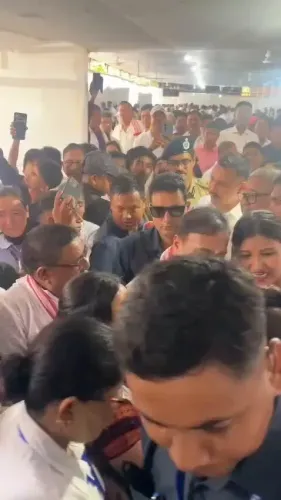
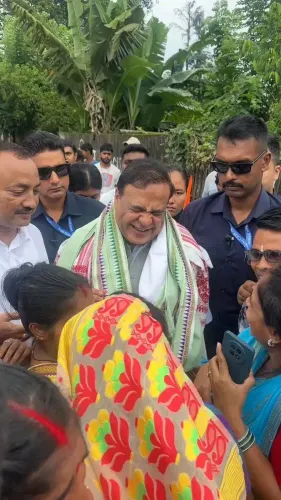
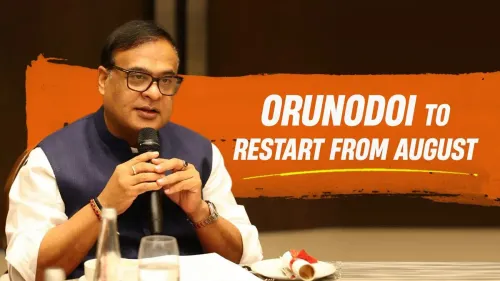
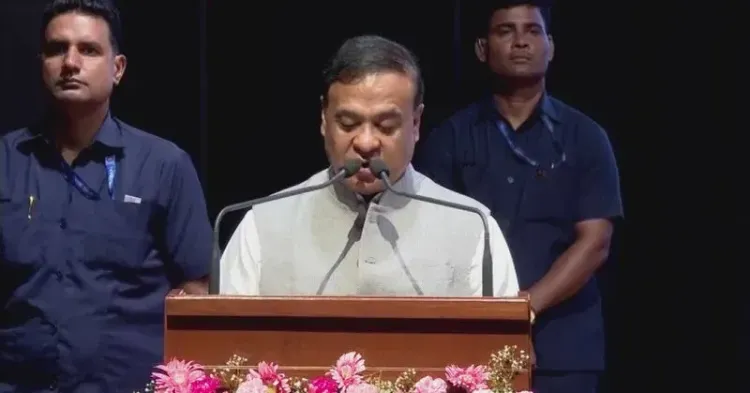
A fresh wave of financial support is reaching lakhs of households across Assam as Chief Minister Himanta Biswa Sarma announced the beginning of a new chapter of the state's flagship welfare scheme, Orunodoi, on Saturday, August 1, 2026.
What Orunodoi Delivers — and Who It Reaches
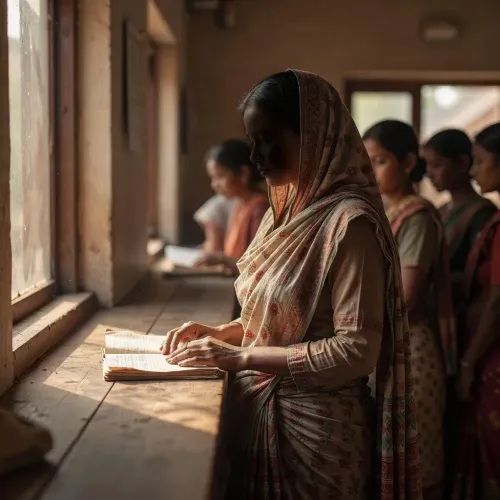
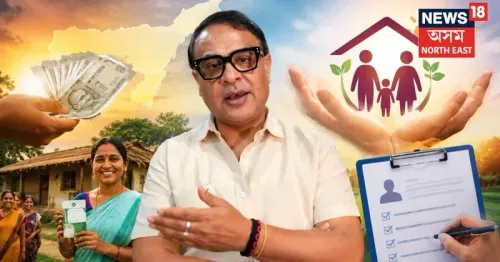
Launched in 2020, the Orunodoi scheme — whose name translates roughly to 'sunrise' in Assamese — was designed as a direct cash transfer programme targeting women from economically weaker sections. At inception, it provided Rs 1,250 per month directly into the bank accounts of eligible women, cutting out intermediaries and aiming the support squarely at low-income households.
The scheme sits within a broader national pattern of cash-based social assistance, but Assam's iteration has been a centrepiece of the BJP government's welfare pitch in the state since it first rolled out. For many rural and semi-urban families, the monthly transfer is a meaningful supplement to household income.
A 'New Chapter' — What Changes This Phase
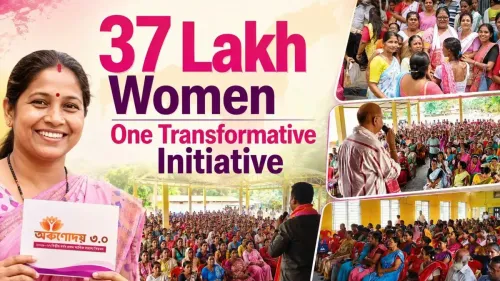
CM Sarma's post signals the opening of a fresh disbursement cycle, describing it as 'a new chapter' as support reaches 'lakhs of families across Assam once again.' The announcement was accompanied by a live broadcast, suggesting a public rollout event. Specific updated beneficiary counts and revised transfer amounts for this phase are expected to be detailed in the coming days, with the next Assam assembly session likely to shed light on the budget allocation behind the expansion.
What is clear is the political and administrative signal: the Sarma government is doubling down on direct benefit transfers as its primary vehicle for women's financial empowerment, reinforcing a governance model that has defined the BJP's tenure in Guwahati since 2021.
Assam's Welfare Bet — and What Comes Next
Orunodoi is not an isolated initiative. It reflects a deliberate state strategy of targeted, named welfare schemes that are easy to communicate and politically visible. The question now is scale: how many additional families enter the net in this new phase, and whether the monthly transfer amount has been revised upward to keep pace with inflation.
With rollout details still emerging, the beneficiaries — and the ballot box — will deliver the real verdict.
Point of View
Named welfare schemes that create a direct link between the state government and women voters. Assam's sustained investment in direct benefit transfers since 2020 mirrors a national template, but the political salience of Orunodoi — a scheme with a recognisable Assamese identity — gives it local resonance that generic cash programmes lack. The timing, framing as a 'new chapter' rather than a routine disbursement, suggests the government is keen to refresh the scheme's visibility ahead of any upcoming political cycle. Whether the new phase brings expanded coverage or higher transfer amounts will determine if it generates fresh political capital or merely maintains the status quo.
NationPress
16 Sept 2026
Frequently Asked Questions
What is the Orunodoi scheme in Assam?
Orunodoi is an Assam government welfare scheme launched in 2020 that provides monthly direct cash transfers of Rs 1,250 to women from economically weaker sections of society, deposited directly into their bank accounts.
Who benefits from the Orunodoi scheme?
Women from low-income and economically weaker households in Assam are the primary beneficiaries of the Orunodoi scheme.
What did CM Himanta Biswa Sarma announce about Orunodoi on August 1, 2026?
CM Himanta Biswa Sarma announced the beginning of a 'new chapter' of the Orunodoi scheme, signalling a fresh disbursement phase with support reaching lakhs of families across Assam.
How much money does Orunodoi give per month?
The Orunodoi scheme originally provided Rs 1,250 per month to eligible women beneficiaries. Updated amounts for the new 2026 phase are yet to be officially confirmed.
When was the Orunodoi scheme launched?
The Orunodoi scheme was launched in 2020 by the Assam government as a direct benefit transfer programme for women from economically weaker sections.