CM Himanta Relaunches Orunodoi 3.0 for 37 Lakh Assam Women
Synopsis
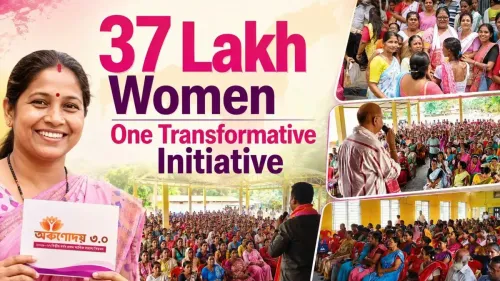
Assam CM Himanta Biswa Sarma relaunched Orunodoi 3.0 on August 1, 2026, resuming monthly financial assistance to over 37 lakh women. The upgraded phase introduces Aadhaar-based verification, constituency-level Sarathi support officers, and an interest-free annual loan facility of up to Rs 15,000 against beneficiaries' entitlements.
Key Takeaways
Orunodoi 3.0 resumed monthly financial assistance to over 37 lakh women in Assam on August 1, 2026 .
This is the first Budget announcement implemented and the first flagship scheme activated after the government's renewed mandate in May 2026 .
Aadhaar-based verification has been introduced to eliminate duplication and ensure assistance reaches genuine beneficiaries.
Dedicated Orunodoi Sarathis will be deployed in every Assembly constituency for enrolment and grievance support.
Beneficiaries can now access interest-free loans of up to Rs 15,000 annually, with repayments deducted from future monthly assistance.
CM Sarma pledged to expand the scheme's scope and gradually increase the monthly amount in future phases.
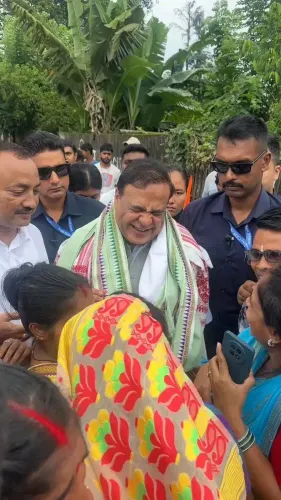
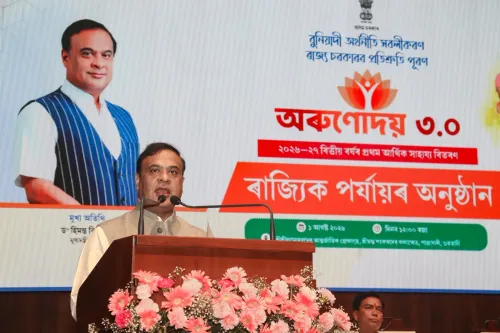
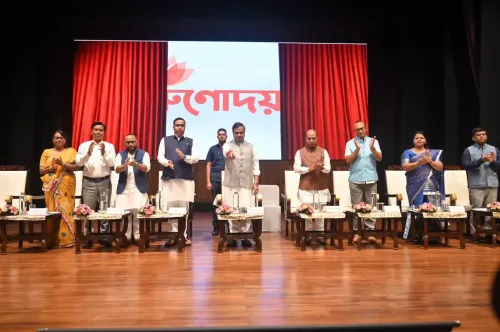
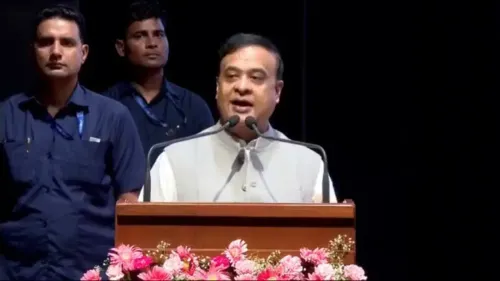
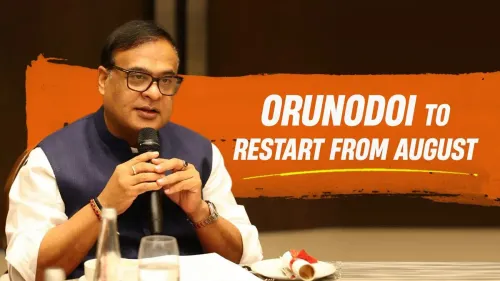
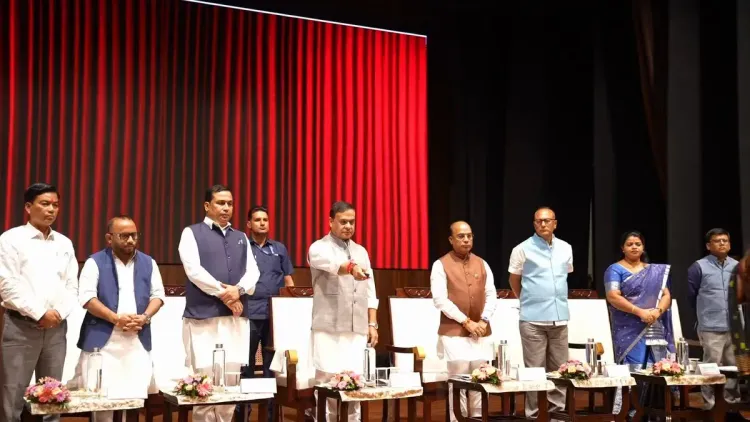
A welfare programme that began as a monthly cash lifeline in 2020 has just crossed into new territory. Assam Chief Minister Himanta Biswa Sarma on Saturday, August 1, 2026, resumed monthly financial assistance under Orunodoi 3.0 to over 37 lakh women across the state — marking the first implementation of a Budget announcement and the first flagship scheme activated after the government received its fresh electoral mandate in May 2026.
What Orunodoi 3.0 changes on the ground
The third phase of the scheme is not a simple reboot. Two structural upgrades anchor the relaunch. First, Aadhaar-based beneficiary verification has been introduced to eliminate duplication and ensure assistance flows only to genuine recipients. Second, dedicated Orunodoi Sarathis — scheme-specific support officers — will be deployed in every Assembly constituency to handle enrolment, grievance redressal, and on-ground assistance.
Together, these additions address two persistent pressure points in large-scale cash-transfer programmes: identity leakage and last-mile grievance resolution. The Sarathi model, in particular, gives the scheme a human interface at the constituency level — a deliberate design choice that moves Orunodoi closer to a managed social security framework than a passive entitlement.
Interest-free loans against entitlements — the new credit layer
The most consequential expansion announced is a credit facility layered onto the monthly entitlement. Beneficiaries will be able to access interest-free small loans against their annual Orunodoi entitlement, with repayments automatically adjusted from future monthly assistance. The annual borrowing limit is set at ₹15,000 with zero interest.
For those who prefer institutional credit, the government also plans to allow beneficiaries to avail bank loans with repayments seamlessly deducted from their monthly Orunodoi assistance. Sarma also reiterated a promise made to beneficiaries: the scope of Orunodoi will be expanded and the monthly amount will be gradually increased over time.
From welfare transfer to financial inclusion architecture
Orunodoi launched in 2020-21 as a straightforward monthly cash transfer targeting women from economically weaker households. Over six years and three phases, the Assam government has layered on verification, support infrastructure, and now a credit mechanism — a trajectory that mirrors how several state-level welfare programmes nationally have evolved from pure transfers into broader financial inclusion instruments.
The post-election timing is deliberate. Activating a flagship scheme immediately after a renewed mandate sends a clear political signal about delivery priorities. The interest-free loan facility, if rolled out at scale, could give millions of rural women access to small credit without the friction of formal banking — a gap that has historically been hard to bridge in Assam's rural districts.
The test now is execution: whether the Sarathi network reaches every constituency effectively, whether the loan mechanism is operationalised without new bureaucratic bottlenecks, and whether the promised amount increase arrives before the next budget cycle. Orunodoi 3.0 has raised the stakes — and set a clear benchmark for the government to be held against.
Point of View
Particularly to women voters who have become a decisive constituency across the northeast. The interest-free loan layer is the most structurally significant addition — if operationalised effectively, it could extend formal credit to rural women who have historically been excluded from institutional banking. The real test will be whether the Sarathi network and the loan mechanism scale without creating new points of exclusion or bureaucratic delay.
NationPress
16 Sept 2026
Frequently Asked Questions
What is Orunodoi 3.0 in Assam?
Orunodoi 3.0 is the third and upgraded phase of Assam's flagship monthly cash transfer scheme for women, relaunched on August 1, 2026. It adds Aadhaar-based verification, constituency-level Sarathi support officers, and an interest-free loan facility of up to Rs 15,000 annually for beneficiaries.
How many women benefit from Orunodoi in Assam?
Over 37 lakh women in Assam are covered under Orunodoi 3.0, as announced by Chief Minister Himanta Biswa Sarma on August 1, 2026.
What is the interest-free loan under Orunodoi 3.0?
Under Orunodoi 3.0, beneficiaries can borrow up to Rs 15,000 per year as an interest-free loan against their annual Orunodoi entitlement. Repayments are automatically adjusted from their future monthly assistance, so no separate payment is needed.
Who are Orunodoi Sarathis?
Orunodoi Sarathis are dedicated support officers the Assam government plans to deploy in every Assembly constituency. Their role is to assist beneficiaries with enrolment, grievance redressal, and any other support related to the Orunodoi scheme.
When did the Orunodoi scheme start in Assam?
The Orunodoi scheme was first launched in 2020-21 by the Assam government as a monthly financial assistance programme targeting women from economically weaker households. It has since been upgraded through successive phases, with Orunodoi 3.0 resuming in August 2026.