CM Himanta launches Orunodoi 3.0 for 37 lakh Assam women
Synopsis
Chief Minister Himanta Biswa Sarma launched Orunodoi 3.0 in Guwahati on 1 August 2026, extending monthly direct cash transfers to over 37 lakh Assam women. The phase adds Aadhaar-based verification to cut duplication and deploys constituency-level Orunodoi Sarathis for enrolment and grievance support.
Key Takeaways
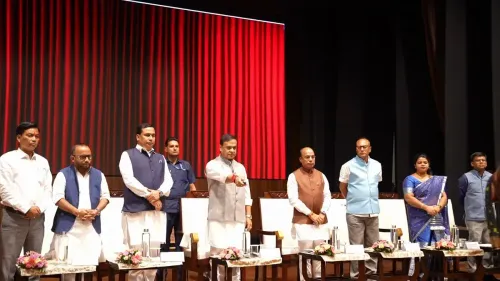
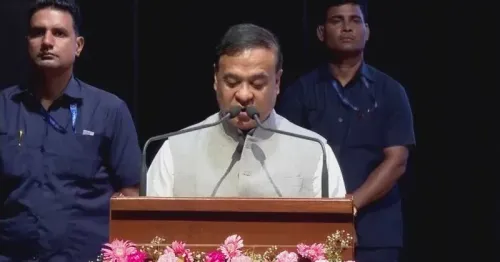
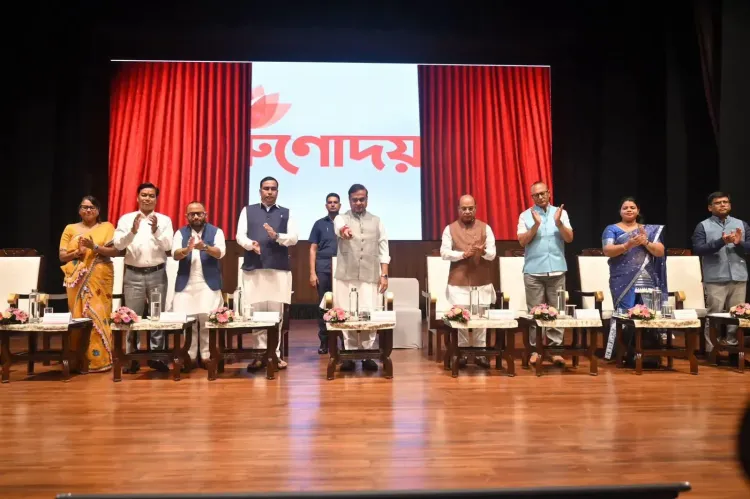
Orunodoi 3.0 was launched by CM Himanta Biswa Sarma at Srimanta Sankardev Kalakshetra, Guwahati on 1 August 2026 .
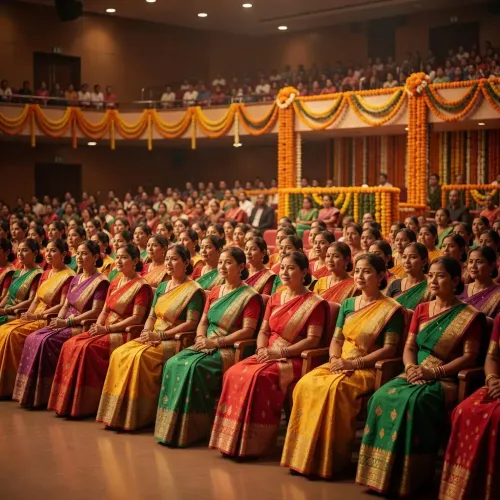
Over 37 lakh women in Assam will receive monthly financial assistance under the expanded scheme.
Aadhaar-based beneficiary verification is introduced to eliminate duplication and ensure genuine targeting.
Dedicated Orunodoi Sarathis will be deployed in every Assembly constituency for enrolment, grievance redressal, and beneficiary services.
The CM acknowledged the solidarity of Assam women with Orunodoi families in four flood-affected districts .
Orunodoi was originally launched in 2020 as a direct cash transfer programme for women from low-income households.
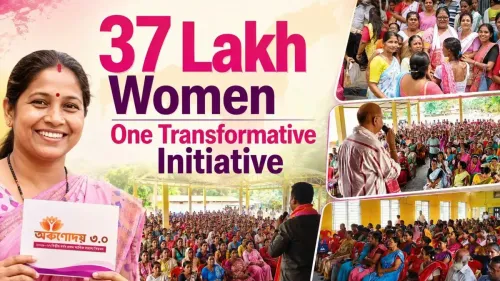
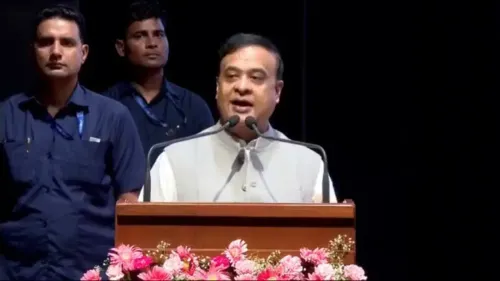
More than 37 lakh women across Assam are set to receive monthly cash assistance as Chief Minister Dr. Himanta Biswa Sarma launched Orunodoi 3.0 at Srimanta Sankardev Kalakshetra, Guwahati, on 1 August 2026 — the latest and most ambitious expansion of the state's flagship women's welfare programme.
What Orunodoi 3.0 adds — and why it matters
The third phase of Orunodoi does not simply extend the beneficiary list. It overhauls delivery. Aadhaar-based verification is now mandatory for all beneficiaries, a move designed to eliminate duplicate entries and ensure that direct financial transfers reach only genuine recipients. That single reform addresses a chronic pressure point in large-scale DBT programmes: leakage.
Alongside the tech fix comes a human one. The government is deploying Orunodoi Sarathis — dedicated field workers — in every Assembly constituency in Assam. Their mandate covers enrolment support, grievance redressal, and day-to-day beneficiary services. It is a ground-level infrastructure layer that previous phases lacked.
From 2020 to 3.0 — Orunodoi's scaling arc
Orunodoi was first launched in 2020 as a direct cash transfer scheme targeting women from low-income households — one of the earliest state-level DBT programmes of its scale in northeast India. Each successive version has added coverage, raised benefit amounts, and tightened targeting mechanisms, tracking closely with the national push to link welfare delivery to Aadhaar and digital infrastructure.
The programme has become a political and administrative centrepiece for the Himanta Biswa Sarma government, which has used it to signal commitment to women's financial autonomy. Reaching 37 lakh beneficiaries would make it one of the largest women-focused direct benefit transfer schemes operated by any state government in India.
A nod to flood-hit districts and the women who held the line
In a notable gesture at the launch, Chief Minister Sarma thanked the women of Assam for standing in solidarity with Orunodoi families in the four flood-affected districts. The acknowledgement points to a recurring reality in the Brahmaputra valley: annual flooding disrupts enrolment, disbursements, and beneficiary access across large parts of the state.
By weaving flood relief into the Orunodoi framework — and by stationing Sarathis at the constituency level — the government is signalling that welfare delivery must be resilient enough to function even when natural disaster strikes. That is a harder promise to keep than a launch-day headline. The Sarathi network and Aadhaar pipeline will be tested precisely in those districts first.
Whether 37 lakh women receive their benefits seamlessly — or whether the Aadhaar verification layer creates its own exclusions — will be the real measure of Orunodoi 3.0.
Point of View
Adding both a digital targeting layer and a physical field workforce — a dual-track approach that reflects lessons from earlier phases. The Aadhaar integration aligns Assam with the national DBT architecture but also carries the risk of exclusion errors that have plagued similar exercises elsewhere in India. Embedding the flood-affected districts into the scheme's narrative is politically astute: it frames a perennial crisis as a governance challenge the state is actively managing rather than merely reacting to. The real test will come in rollout — whether the Sarathi network and verification pipeline can hold up under the pressure of Assam's annual monsoon season.
NationPress
16 Sept 2026
Frequently Asked Questions
What is Orunodoi 3.0 and who benefits from it?
Orunodoi 3.0 is the third phase of Assam's flagship direct cash transfer scheme for women from low-income households. Over 37 lakh women across Assam are set to receive monthly financial benefits under this expanded phase, launched on 1 August 2026.
What is new in Orunodoi 3.0 compared to earlier phases?
Orunodoi 3.0 introduces Aadhaar-based beneficiary verification to eliminate duplication and ensure genuine targeting. It also deploys dedicated Orunodoi Sarathis in every Assembly constituency to assist with enrolment, grievance redressal, and beneficiary services.
Where was Orunodoi 3.0 launched?
Chief Minister Himanta Biswa Sarma launched Orunodoi 3.0 at Srimanta Sankardev Kalakshetra in Guwahati, Assam, on 1 August 2026.
When was the original Orunodoi scheme started?
The Orunodoi scheme was first launched by the Assam government in 2020 as a direct cash transfer programme targeting women from low-income households.
What is an Orunodoi Sarathi?
An Orunodoi Sarathi is a dedicated field worker deployed by the Assam government in each Assembly constituency to support beneficiary enrolment, handle grievances, and provide day-to-day services under the Orunodoi scheme.