Orunodoi 3.0: 37 lakh Assam women to receive monthly financial aid
Synopsis
Assam's Orunodoi 3.0 is back — and it comes with upgrades. Chief Minister Himanta Biswa Sarma has resumed monthly financial aid for over 37 lakh women, layering in Aadhaar-based verification, dedicated constituency-level 'Sarathis', and a new interest-free ₹15,000 micro-credit facility. It is the first flagship scheme of the BJP government's fresh term, and its design signals a deliberate shift from simple cash transfers toward a broader financial inclusion platform.
Key Takeaways
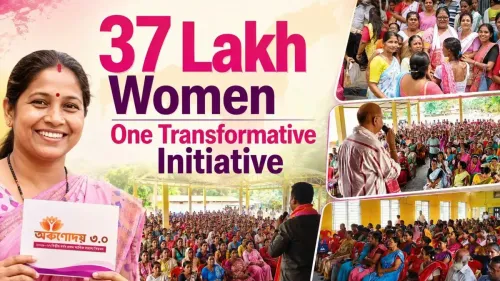
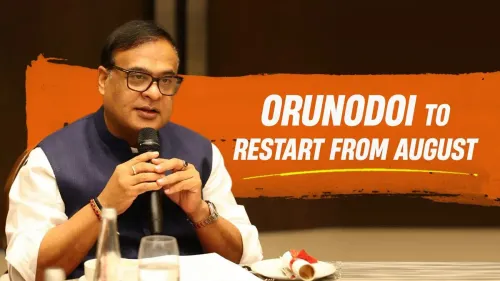
Assam CM Himanta Biswa Sarma resumed the Orunodoi 3.0 scheme on 1 August , covering more than 37 lakh women .
The scheme is the first flagship programme rolled out after the BJP government's return to power in the May Assembly elections .
Aadhaar-based verification introduced to eliminate duplication and ensure assistance reaches genuine beneficiaries.
Dedicated 'Orunodoi Sarathis' will be deployed in every Assembly constituency for enrolment and grievance support.
Eligible beneficiaries can avail an interest-free loan of up to ₹15,000 annually against future entitlements, repaid via monthly deductions.
The original Orunodoi scheme was launched in 2020 as Assam's flagship direct benefit transfer programme for low-income women.
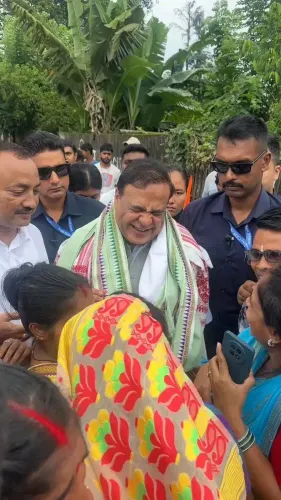
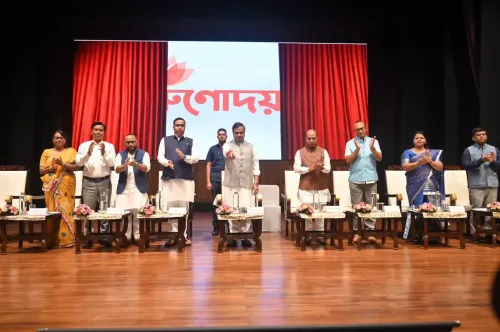
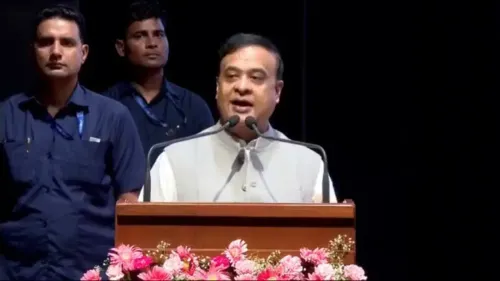
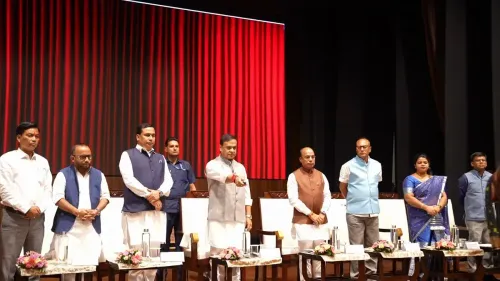
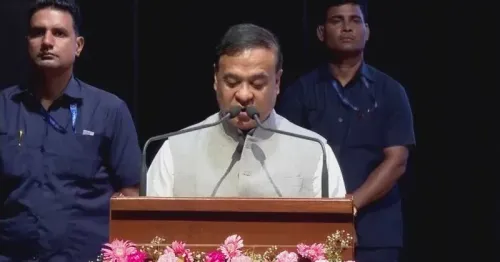
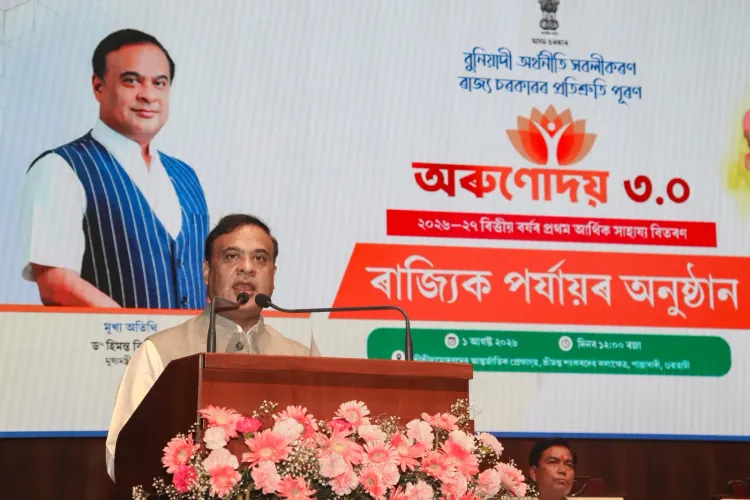
Assam Chief Minister Himanta Biswa Sarma on Saturday, 1 August announced the resumption of monthly financial assistance under the Orunodoi 3.0 scheme, covering more than 37 lakh women across the state. Sarma described it as the first major budget announcement to be implemented and the first flagship programme rolled out after the Bharatiya Janata Party (BJP)-led government returned to power following the May Assembly elections.
What Orunodoi 3.0 Covers
The Chief Minister said the scheme has evolved from a welfare initiative into a dependable social security framework, aimed at empowering economically weaker families and promoting financial inclusion. The latest phase introduces several structural reforms designed to improve transparency, convenience, and accessibility for beneficiaries.
A key reform under the revamped system is Aadhaar-based beneficiary verification, intended to ensure that assistance reaches only genuine recipients while eliminating duplication and irregularities — a persistent challenge in large-scale direct benefit transfer programmes.
Orunodoi Sarathis: Last-Mile Delivery
To strengthen grassroots outreach, the government will deploy dedicated personnel called 'Orunodoi Sarathis' in every Assembly constituency across Assam. These officials will assist beneficiaries with enrolment, grievance redressal, and other support services linked to the scheme. The move signals an effort to address the access gaps that have historically plagued welfare delivery in rural and remote parts of the state.
Interest-Free Micro-Credit Facility
In a notable addition, Sarma announced plans to introduce an interest-free micro-credit facility tied to the scheme. Under the proposed model, eligible beneficiaries will be able to avail loans of up to ₹15,000 annually against their future Orunodoi entitlement at zero interest. Repayments will be adjusted from subsequent monthly assistance instalments.
Beneficiaries who prefer to borrow through banks will also have access to loans under a similar repayment mechanism, with instalments deducted seamlessly from their monthly Orunodoi benefits. Sarma said the government remains committed to enhancing the financial assistance amount in a phased manner, in line with promises made to women beneficiaries during the election campaign.
Background: The Orunodoi Scheme
The Orunodoi scheme was first launched in 2020 as Assam's flagship direct benefit transfer programme, providing monthly financial assistance to women from low-income families to support household expenses and improve quality of life. The scheme has since been expanded in scope and coverage across successive phases.
With Orunodoi 3.0 now operational, the Assam government is signalling continuity — and deepening — of its social protection agenda in the new term, with financial inclusion and women's economic empowerment at its centre.
Point of View
But it also carries exclusion risk: beneficiaries without updated Aadhaar linkages could fall through the cracks, as has happened in other DBT programmes nationally. The interest-free micro-credit facility is the more ambitious innovation — if executed well, it could convert a passive cash transfer into a credit-access bridge for women who remain outside formal banking. The test will be in implementation, not announcement.
NationPress
16 Sept 2026
Frequently Asked Questions
What is the Orunodoi 3.0 scheme in Assam?
Orunodoi 3.0 is the latest phase of Assam's flagship direct benefit transfer programme, which provides monthly financial assistance to women from low-income families. Launched originally in 2020, the scheme now covers more than 37 lakh women and includes new features such as Aadhaar-based verification and an interest-free micro-credit facility.
Who benefits from the Orunodoi 3.0 scheme?
More than 37 lakh women from economically weaker households across Assam are covered under Orunodoi 3.0. The scheme targets low-income families to support household expenses and promote financial inclusion.
What is the interest-free micro-credit facility under Orunodoi 3.0?
Eligible Orunodoi beneficiaries will be able to borrow up to ₹15,000 annually against their future scheme entitlement at zero interest. Repayments are deducted from subsequent monthly assistance amounts, and a similar facility is available through banks.
What are 'Orunodoi Sarathis' and what will they do?
Orunodoi Sarathis are dedicated personnel the Assam government will deploy in every Assembly constituency. They will assist beneficiaries with enrolment, grievance redressal, and other support services related to the scheme, aiming to improve last-mile delivery.
Why was Aadhaar-based verification introduced in Orunodoi 3.0?
The Assam government introduced Aadhaar-based beneficiary verification to ensure financial assistance reaches only genuine recipients. The measure is designed to eliminate duplication and irregularities that can undermine large-scale direct benefit transfer programmes.