CM Himanta Hosts AIF Workshop for 5,000 Assam Farmers

Synopsis
Assam CM Himanta Biswa Sarma convened an Agriculture Infrastructure Fund workshop on 25 July 2026, drawing nearly 5,000 farmers, FPOs and agripreneurs to explore the Union government's Rs 1 lakh crore scheme aimed at building post-harvest infrastructure and strengthening agricultural value chains across the North-East.
Key Takeaways
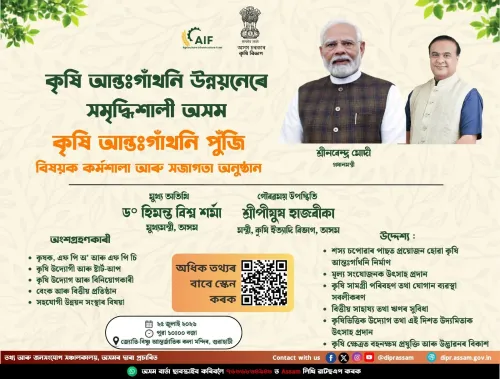
Nearly 5,000 farmers, FPOs and agripreneurs attended the AIF Workshop convened by Assam CM Himanta Biswa Sarma on 25 July 2026 .
The Agriculture Infrastructure Fund was launched in July 2020 under the Atmanirbhar Bharat package with a corpus of Rs 1 lakh crore .
The fund finances post-harvest infrastructure including cold chains, warehouses and primary processing centres through medium-to-long-term debt.
FPOs are among the primary beneficiaries, enabling smallholder farmers to access credit and value-addition facilities collectively.
North-Eastern states face structural gaps in storage and logistics, making AIF financing especially critical for the region.
State-level project sanctions in Assam and future Union Budget allocations will determine the scheme's on-ground impact.
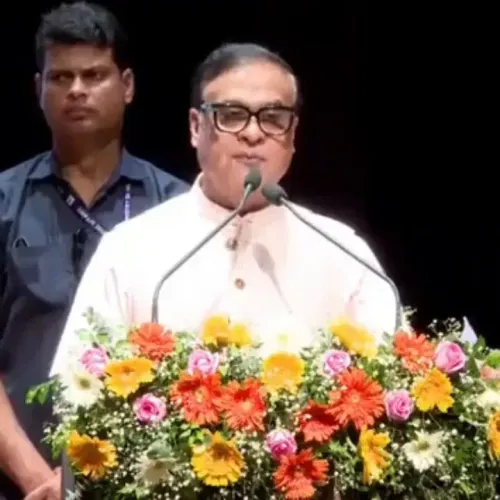
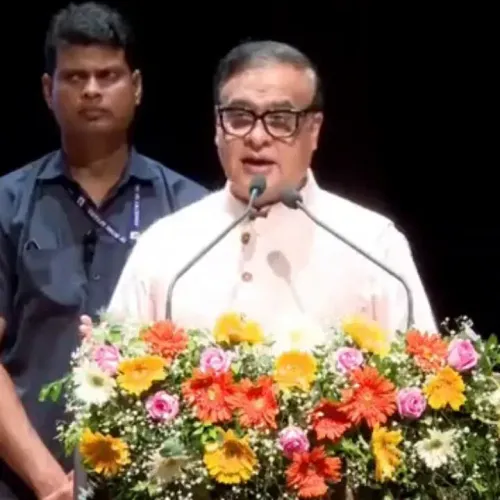
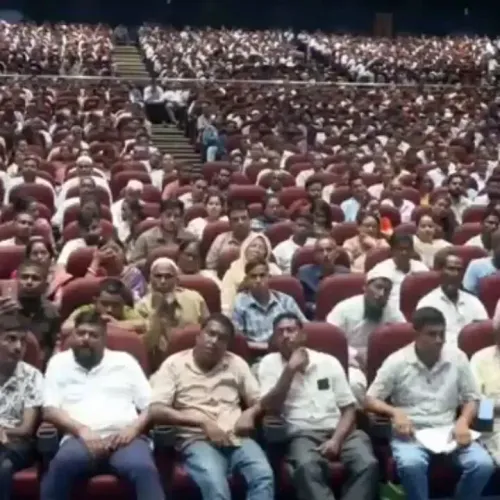
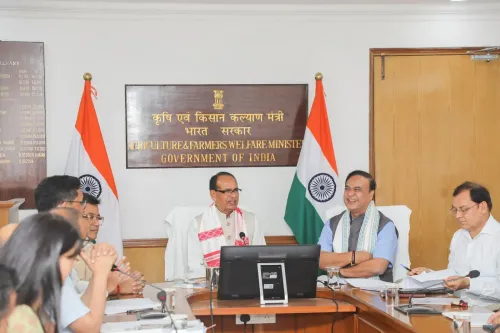
Assam Chief Minister Himanta Biswa Sarma on Saturday, 25 July 2026, convened an Agriculture Infrastructure Fund (AIF) Workshop that brought together nearly 5,000 farmers, Farmer Producer Organisations (FPOs) and agripreneurs to explore credit and infrastructure opportunities available under the central scheme.
Context
In a post on X, CM Sarma noted that participants had gathered 'to explore the immense opportunities available under the scheme to make agriculture more robust and rewarding.' The large turnout signals strong grassroots interest in tapping AIF's financing window across Assam, a state where agriculture remains the primary livelihood for a majority of the rural population.
The workshop marks one of the largest single-day outreach events under the AIF framework in the North-East, underlining the BJP-led state government's push to align Assam's agricultural economy with centrally-backed credit infrastructure.
Policy Backdrop
The Agriculture Infrastructure Fund was launched by the Union government in July 2020 as part of the Atmanirbhar Bharat package. It carries a corpus of Rs 1 lakh crore to provide medium-to-long-term debt financing for post-harvest management infrastructure and community farming assets such as cold chains, warehouses, primary processing centres and assaying units.
FPOs — government-promoted collectives that pool smallholder farmers to access credit, markets and value-addition facilities — are among the primary target beneficiaries of the scheme. Their presence in large numbers at the Assam workshop reflects coordinated outreach by both state and central agencies to accelerate project sanctions in the region.
North-Eastern states have historically faced significant gaps in storage, processing and agricultural logistics infrastructure, making AIF-backed financing particularly consequential for the region's farm economy.
Stakeholders and Impact
The nearly 5,000 attendees — spanning individual farmers, FPO representatives and agripreneurs — represent a cross-section of Assam's agricultural ecosystem. Agripreneurs, a growing category of rural entrepreneurs investing in value-chain businesses, stand to benefit from AIF's interest subvention and credit guarantee provisions.
For smallholder farmers, AIF-linked infrastructure can reduce post-harvest losses and improve price realisation by shortening the distance between farm gate and market. The workshop format — combining awareness, facilitation and on-the-spot guidance — is designed to convert interest into formal loan applications and project proposals.
CM Sarma, who also serves as convenor of the North-East Democratic Alliance (NEDA), has consistently positioned agricultural modernisation as a pillar of the region's development agenda, making events of this kind a visible governance priority.
What's Next
The immediate follow-through will depend on the pace of AIF project sanctions at the state level in Assam and the conversion rate of workshop participants into active loan applicants. Any supplementary allocations or targeted North-East sub-windows announced in subsequent Union Budgets or NEDA forums will determine the long-term scale of the initiative.
With the agriculture sector facing pressure from climate variability and supply-chain inefficiencies, the sustained rollout of AIF in states like Assam will be a key indicator of whether the scheme's Rs 1 lakh crore corpus translates into durable infrastructure on the ground.
Point of View
000 participants in a single event — reflects a deliberate state-level strategy to accelerate uptake of a central scheme that has faced uneven implementation across India. For CM Sarma, high-visibility agricultural outreach serves a dual purpose: deepening BJP's rural support base in Assam ahead of future electoral cycles and demonstrating governance delivery under the NEDA umbrella. The focus on agripreneurs alongside traditional farmers signals an intent to move beyond subsistence-oriented policy toward value-chain commercialisation. Whether the workshop translates into sanctioned projects and disbursed loans will be the real test of this mobilisation effort.
NationPress
25 Jul 2026
Frequently Asked Questions
What is the Agriculture Infrastructure Fund (AIF)?
The Agriculture Infrastructure Fund is a central government scheme launched in July 2020 with a corpus of Rs 1 lakh crore to provide medium-to-long-term debt financing for post-harvest management infrastructure and community farming assets such as cold chains, warehouses and processing centres.
Who attended the AIF Workshop in Assam on 25 July 2026?
Nearly 5,000 farmers, Farmer Producer Organisations (FPOs) and agripreneurs attended the workshop convened by Assam Chief Minister Himanta Biswa Sarma.
How does the AIF scheme benefit farmers in Assam?
The AIF scheme offers interest subvention and credit guarantee support for agricultural infrastructure projects, helping farmers and FPOs reduce post-harvest losses, improve storage and access better market linkages.
What is Himanta Biswa Sarma's role in North-East India?
Himanta Biswa Sarma is the Chief Minister of Assam and also serves as the convenor of the North-East Democratic Alliance (NEDA), a BJP-led political platform coordinating governance across several North-Eastern states.
What are Farmer Producer Organisations (FPOs) and how do they benefit from AIF?
FPOs are government-promoted collectives that pool smallholder farmers to jointly access credit, markets and value-addition facilities. Under the AIF scheme, FPOs can apply for subsidised loans to build shared infrastructure such as warehouses and processing units.