CM Himanta Visits Dima Hasao, Assam

Synopsis
Chief Minister Himanta Biswa Sarma visited Dima Hasao on June 5, 2026, as flagged by the official CMO Assam account. The autonomous hill district, home to the Dimasa tribal community, has been a focus of post-insurgency development and connectivity efforts under successive Assam governments.
Key Takeaways
The Chief Minister's Office of Assam confirmed CM Himanta Biswa Sarma's presence in Dima Hasao on June 5, 2026 .
Dima Hasao , formerly North Cachar Hills , is administered under the Dima Hasao Autonomous Council with a majority Dimasa tribal population.
The district was stabilised following the 2012 Memorandum of Settlement with Dima Halam Daogah (DHD) factions, ending major insurgency.
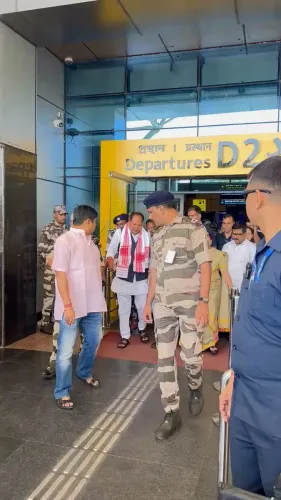
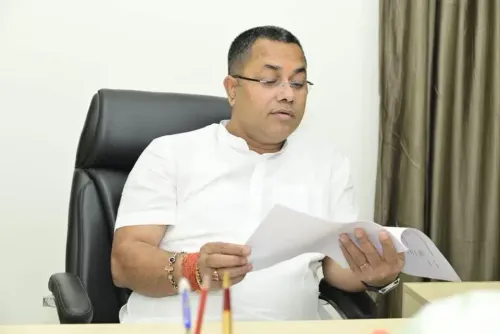
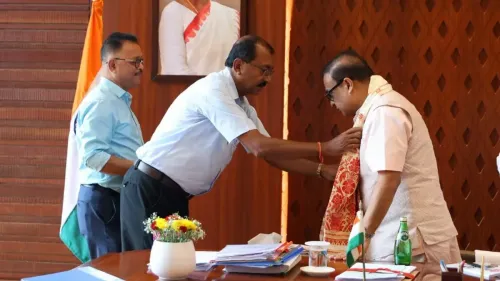
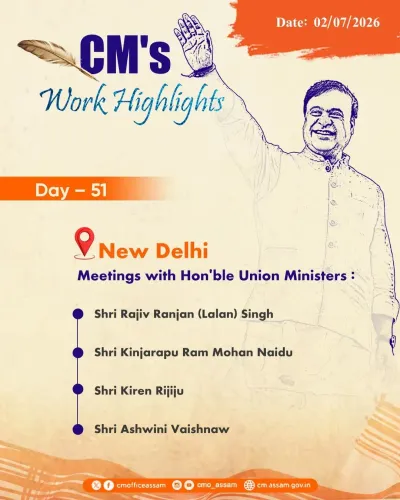
The visit was accompanied by four images shared on the official CMO social media account.
Assam governments have pursued connectivity and council empowerment as twin pillars of hill district governance since the peace settlement.
The Chief Minister's Office of Assam posted on Friday, June 5, 2026, flagging Chief Minister Himanta Biswa Sarma's presence in Dima Hasao, the autonomous hill district in southern Assam. The post, shared on the official CMO account, was accompanied by four images from the location.
Context
Dima Hasao, formerly known as North Cachar Hills, is one of Assam's most strategically significant hill districts, administered under the Dima Hasao Autonomous Council. The district is home to a predominantly Dimasa tribal population and has historically been at the centre of both insurgency and peace-building efforts in the state. A visit by the Chief Minister to this region carries political and administrative weight given the district's complex governance history.
Policy Backdrop
The district's trajectory shifted significantly after the 2012 Memorandum of Settlement with factions of the Dima Halam Daogah (DHD), which ended major armed insurgency and committed state resources to rehabilitation and infrastructure development. Since then, successive Assam governments have pursued a dual strategy of council empowerment and connectivity investment to stabilise the region. Under the current BJP administration, this approach has continued with an emphasis on road and rail connectivity as well as strengthening autonomous council institutions.
Stakeholders and Impact
The Dimasa community and broader hill district residents are the primary stakeholders in any governance or development initiative centred on Dima Hasao. Infrastructure gaps — particularly road access to remote villages — remain a persistent concern for residents of this mountainous terrain. Any high-level political visit to the district typically signals either a policy announcement, a review of ongoing projects, or engagement with local council leadership.
What's Next
Observers will watch for follow-up announcements on road or rail projects, updates on the Dima Hasao Autonomous Council, or any central government delegation to the district. Chief Minister Sarma has in the past used field visits to hill districts to announce targeted development packages, and the images shared alongside the post may offer further clues once more details emerge. The visit underscores the continued political salience of Assam's hill districts in the state's broader governance agenda.
Point of View
Post-insurgency rehabilitation, and infrastructure deficits. For Himanta Biswa Sarma, whose administration has leaned heavily on visible field governance, such visits serve both a developmental and an electoral purpose in a region where the BJP has worked to consolidate support among tribal communities. The broader pattern of Assam hill-district policy — alternating between security and development — appears to be entering a phase where connectivity and council empowerment are the dominant instruments. How the state translates this visit into concrete announcements will determine whether it is a signal of fresh momentum or a continuation of incremental progress.
NationPress
21 Oct 2026
Frequently Asked Questions
Why did CM Himanta Biswa Sarma visit Dima Hasao?
The specific purpose of the June 5, 2026 visit has not been detailed in the official post, but high-level visits to Dima Hasao typically involve review of development projects, engagement with the Dima Hasao Autonomous Council, or announcements related to infrastructure and tribal welfare.
Where is Dima Hasao located in Assam?
Dima Hasao is an autonomous hill district in southern Assam, formerly known as North Cachar Hills. It is administered under the Dima Hasao Autonomous Council and has a predominantly Dimasa tribal population.
What is the Dima Hasao Autonomous Council?
The Dima Hasao Autonomous Council is a constitutional body that governs the hill district of Dima Hasao under the Sixth Schedule of the Indian Constitution, giving the Dimasa and other tribal communities a degree of self-governance over local matters.
What was the 2012 peace settlement in Dima Hasao?
The 2012 Memorandum of Settlement was signed between the Government of India, the Government of Assam, and factions of the Dima Halam Daogah (DHD), ending major armed insurgency in the district and committing state funds to rehabilitation and infrastructure development.
What development projects are ongoing in Dima Hasao?
Dima Hasao has been the focus of road and rail connectivity projects, post-insurgency rehabilitation programmes, and council empowerment initiatives under successive Assam governments, with the current BJP administration continuing this approach.