CM Himanta Inaugurates New Assam Bhawan in Bengaluru at ₹71 Crore
Synopsis
Chief Minister Himanta Biswa Sarma inaugurated a new ₹71 crore Assam Bhawan in Bengaluru on October 16, 2026. The facility offers modern suites, dormitories, and conference rooms for Assamese students, patients, and professionals visiting the city.
Key Takeaways
Himanta Biswa Sarma inaugurated the new Assam Bhawan in Bengaluru on October 16, 2026 .
The facility was built at a cost of ₹71 crore .
Amenities include modern suites, apartments, dormitory accommodation, and conference rooms .
The Bhawan is intended to serve Assamese students, patients, professionals, and visitors in Bengaluru.
Assam already operates a Bhawan in Delhi ; the Bengaluru facility extends the state's support network to Karnataka .
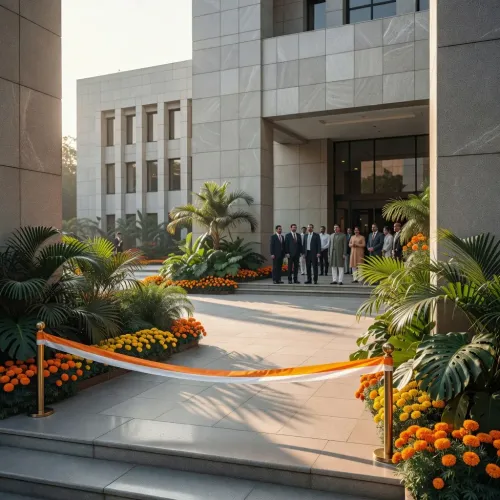
A ₹71 crore promise to Assam's diaspora in Karnataka just became concrete. Chief Minister Dr. Himanta Biswa Sarma inaugurated the new Assam Bhawan in Bengaluru on Friday, October 16, 2026, handing residents of Assam who travel to the southern metropolis for education, healthcare, and work a modern, fully equipped base to call home.
What the ₹71 Crore Building Delivers
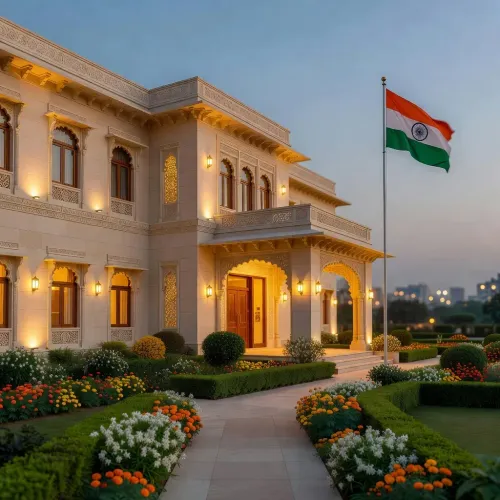
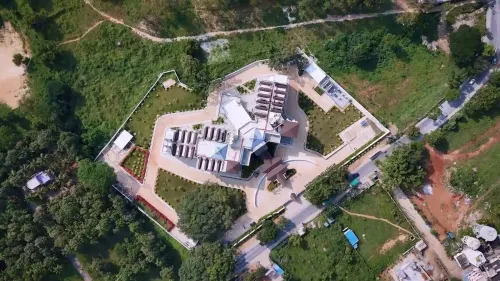
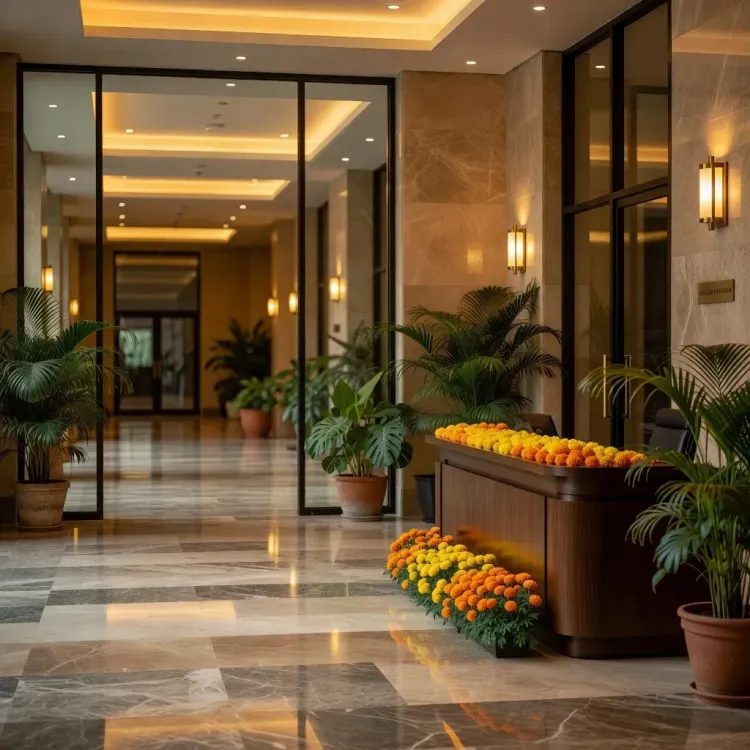
The new Bhawan is not a bare-bones government transit camp. According to the Chief Minister's Office, the facility offers modern suites, apartments, dormitory accommodation, conference rooms, and a range of other amenities — a deliberate mix designed to serve everyone from budget-conscious students sleeping in dormitories to professionals needing a conference hall, and patients seeking a dignified place to stay while undergoing treatment at the city's renowned hospitals. The CMO described it as a true 'Home Away from Home' — a phrase that carries real weight for the thousands of Assamese who arrive in Bengaluru every year without a ready support network.
Why Bengaluru, and Why Now
Bengaluru has become one of the most consequential destinations for Assamese residents. The city's technology sector draws professionals, its medical institutions pull patients from across the Northeast, and its universities attract students. Yet unlike Delhi — where Assam has long maintained a well-known Bhawan — Bengaluru had no comparable state facility to absorb that footfall. The inauguration closes that gap.
Indian states have increasingly treated Bhawans in major metros as soft infrastructure for internal migration: a way to reduce the friction — and the vulnerability — that comes with being far from home in an unfamiliar city. Assam's Government under CM Sarma, in office since 2021, has positioned multiple infrastructure projects as markers of the state's development trajectory, and the Bengaluru Bhawan fits squarely into that narrative.
Who Benefits Most
The three constituencies that stand to gain most immediately are students navigating admissions and hostel shortages, patients — often accompanied by anxious families — seeking affordable lodging near Bengaluru's medical corridors, and professionals on short-term assignments who need something more flexible than a hotel. Dormitory accommodation keeps costs accessible; suites and apartments serve those staying longer. The conference rooms signal an ambition beyond mere lodging — a space for the Assamese professional community to convene.
With Bengaluru now served, the next question for Assam's state administration is where its Bhawan network expands next. The southern gateway is open.
Point of View
The dormitory-to-suite range signals an effort to make the facility inclusive rather than elite-facing, which broadens its political appeal. Whether occupancy rates justify the ₹71 crore investment will be the real test of whether this is welfare or optics.
NationPress
16 Oct 2026
Frequently Asked Questions
Where is the new Assam Bhawan located?
The new Assam Bhawan is located in Bengaluru, Karnataka . It was inaugurated by Chief Minister Himanta Biswa Sarma on October 16, 2026.
How much did the Assam Bhawan in Bengaluru cost to build?
The new Assam Bhawan in Bengaluru was built at a cost of ₹71 crore , according to the Chief Minister's Office of Assam.
What facilities are available at the new Assam Bhawan Bengaluru?
The facility includes modern suites, apartments, dormitory accommodation, and conference rooms , along with other amenities for students, patients, professionals, and visitors from Assam.
Who can stay at the Assam Bhawan in Bengaluru?
The Bhawan is open to students, patients, professionals, and general visitors from Assam who travel to Bengaluru for education, medical treatment, work, or other purposes.
Does Assam have Bhawans in other cities?
Yes. Assam has long maintained a Bhawan in New Delhi . The Bengaluru facility extends the state's guest-house network to a major southern metro for the first time.