CM Himanta Monitors Jorhat Relief Amid Crisis
Synopsis
Assam Chief Minister Himanta Biswa Sarma on 20 July 2026 assured Jorhat residents that Cabinet colleagues are personally monitoring relief operations across the district, as the Brahmaputra valley district faces a crisis during the monsoon season.
Key Takeaways
CM Himanta Biswa Sarma declared the Assam government 'seized of the situation' in Jorhat on 20 July 2026 .
Cabinet ministers are personally overseeing on-ground relief distribution across the district.
The Chief Minister pledged that relief is reaching 'every nook and corner' to ensure resident safety.
Jorhat is a flood-prone district in the Brahmaputra valley , historically affected by annual monsoon flooding.
Further updates on damage assessment are expected from the Assam State Disaster Management Authority (ASDMA) .
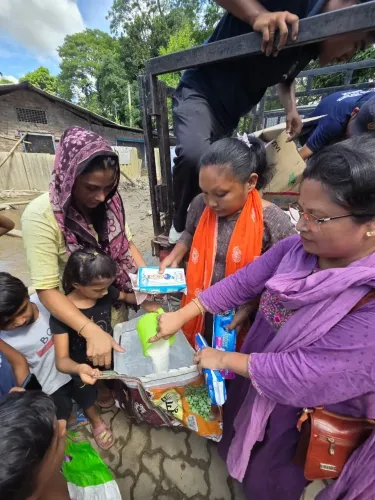
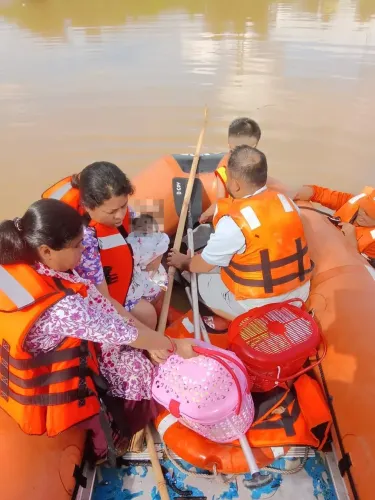
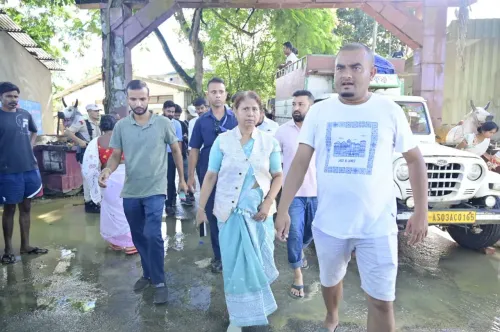
Assam Chief Minister Himanta Biswa Sarma on Monday, 20 July 2026, declared that his government is fully seized of the situation in Jorhat, assuring residents that relief operations are reaching every part of the district. The Chief Minister stated that Cabinet colleagues are personally overseeing on-ground efforts to ensure the safety of all affected persons and the delivery of required support.
Context
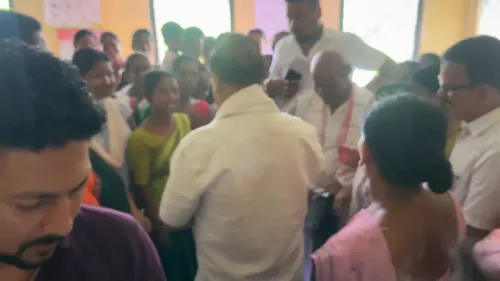
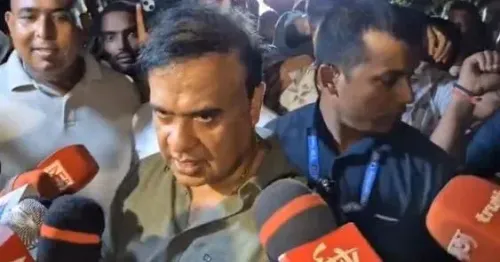
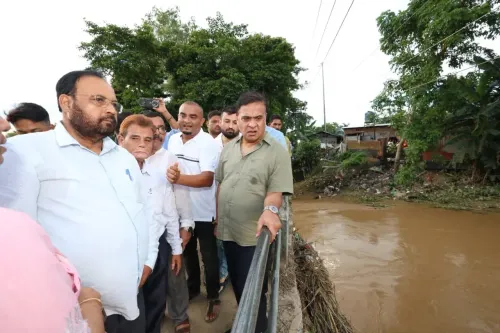
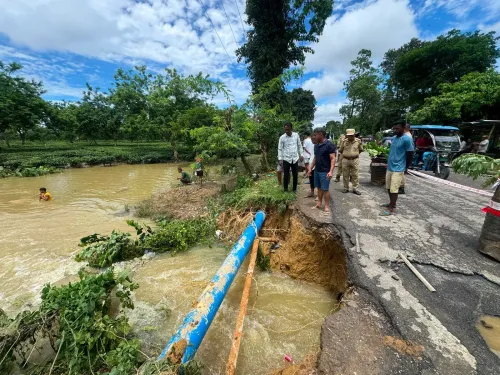
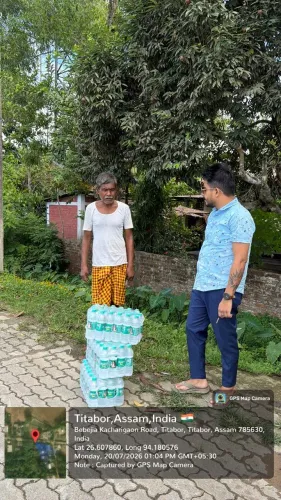
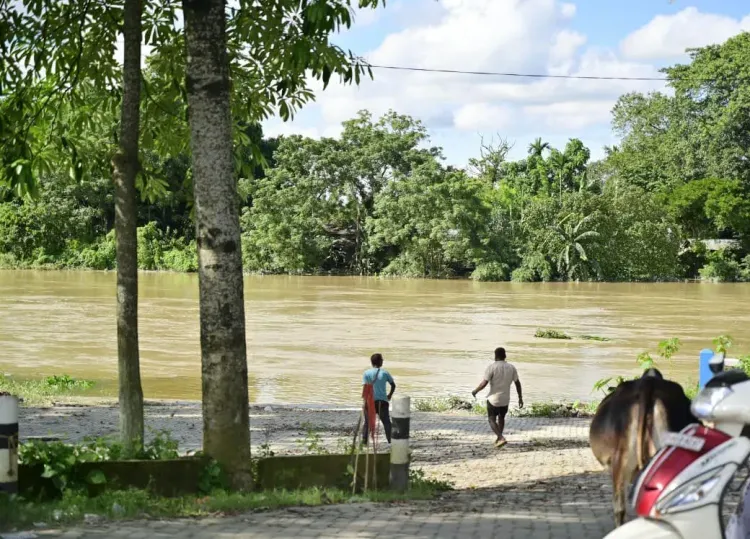
Jorhat, a district in Assam's Brahmaputra valley, is among the state's most flood-vulnerable regions. The Chief Minister's post, accompanied by four images, signals that the situation on the ground is serious enough to warrant direct monitoring at the Cabinet level. Sarma wrote: 'We are seized of the situation in Jorhat and stand with them in this situation.'
The statement comes during the monsoon season, when the Brahmaputra and its tributaries routinely breach banks, inundating low-lying areas across the Brahmaputra valley. Jorhat has historically borne the brunt of such seasonal flooding year after year.
Policy Backdrop
Assam state governments have conducted annual monsoon relief operations in Brahmaputra valley districts for decades. The Assam State Disaster Management Authority (ASDMA) coordinates relief logistics, including distribution of food, drinking water, medicines, and evacuation support, in coordination with district administrations.
Since assuming office in 2021, Chief Minister Sarma has consistently issued public assurances during flood events, positioning direct Cabinet-level oversight as a governance priority. His government has also worked to strengthen early-warning systems and pre-position relief material ahead of the peak monsoon months.
Stakeholders and Impact
The immediate stakeholders are Jorhat's residents and flood-affected families, who depend on timely government intervention for food, shelter, and medical aid. Cabinet ministers deputed for on-ground monitoring are expected to liaise with district officials, the ASDMA, and the National Disaster Response Force (NDRF) where necessary.
The Chief Minister's public statement also serves to reassure communities that the administration is not relying solely on bureaucratic channels, but has deployed elected representatives to verify that relief is reaching 'every nook and corner' — a phrase that underscores the intent to cover remote and marooned localities.
What's Next
Official damage assessment reports from the ASDMA and district administration are expected to follow, providing granular data on the number of affected villages, displaced persons, and crop or infrastructure losses. The state government is likely to announce ex-gratia payments or relief packages once assessments are complete.
With the monsoon season typically peaking through July and August, Assam's administration will remain on heightened alert across multiple Brahmaputra valley districts. The situation in Jorhat will be a key test of how swiftly Cabinet-monitored relief pipelines can respond to evolving flood conditions on the ground.
Point of View
Backed by images and a pledge of Cabinet-level monitoring, reflects a well-established political playbook in Assam: direct executive visibility during flood crises reassures constituents and pre-empts opposition criticism. The deployment of Cabinet colleagues as on-ground overseers — rather than leaving coordination solely to bureaucrats — signals that the administration views the Jorhat situation as significant enough to warrant political capital. This pattern also aligns with Sarma's broader governance brand of hands-on crisis management in the Northeast. The real measure of effectiveness, however, will come from ASDMA damage data and community-level accounts of whether relief pipelines delivered at the last mile.
NationPress
20 Oct 2026
Frequently Asked Questions
What is the situation in Jorhat Assam in July 2026?
Jorhat district in Assam is facing a crisis situation as of 20 July 2026, with Chief Minister Himanta Biswa Sarma confirming that the government is monitoring on-ground relief operations. The exact nature of the crisis — likely monsoon flooding given Jorhat's location in the flood-prone Brahmaputra valley — is being addressed by Cabinet-level oversight.
What is Himanta Biswa Sarma doing about Jorhat flood relief?
CM Himanta Biswa Sarma has stated that his Cabinet colleagues are personally monitoring relief efforts in Jorhat to ensure that support reaches every part of the district and that all residents are safe.
Which Assam districts are flood-prone during monsoon?
Several districts in the Brahmaputra valley, including Jorhat, are highly flood-prone during the monsoon season. The Brahmaputra river and its tributaries regularly breach banks between June and September, affecting lakhs of residents annually.
What is the ASDMA and what role does it play in flood relief?
The Assam State Disaster Management Authority (ASDMA) is the nodal agency for coordinating disaster response in Assam. It manages relief logistics, issues flood bulletins, and works with district administrations and central agencies like the NDRF during flood emergencies.
Who is Himanta Biswa Sarma?
Himanta Biswa Sarma is the Chief Minister of Assam, in office since May 2021, and a senior BJP leader. He is also the convenor of the North-East Democratic Alliance (NEDA), a coalition of BJP-allied parties in the northeastern states.