CM Himanta Flags Flood Response Across Assam Districts
Synopsis
Assam Chief Minister Himanta Biswa Sarma confirmed on 20 July 2026 that Jorhat and other district administrations are actively handling the flood situation, urging complete public cooperation to aid recovery efforts across the state during the monsoon season.
Key Takeaways
CM Himanta Biswa Sarma posted on 20 July 2026 confirming active flood response by Assam district administrations.
Jorhat district administration was specifically cited as discharging its responsibilities during the ongoing flood situation.
The Chief Minister appealed for 'complete cooperation' from all citizens to aid recovery.
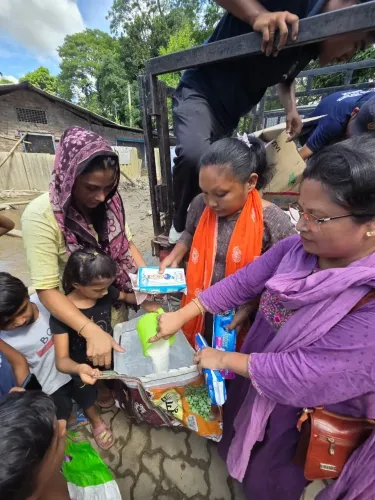
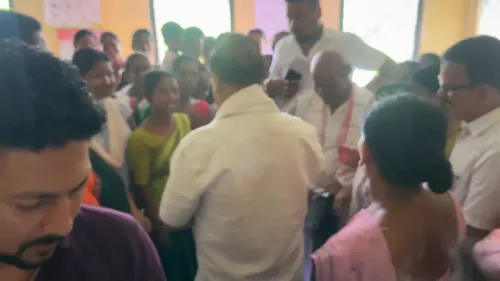
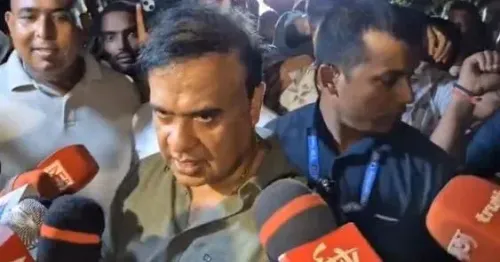
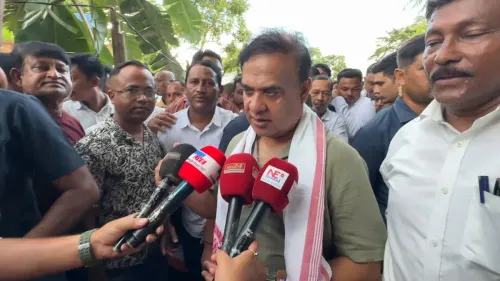
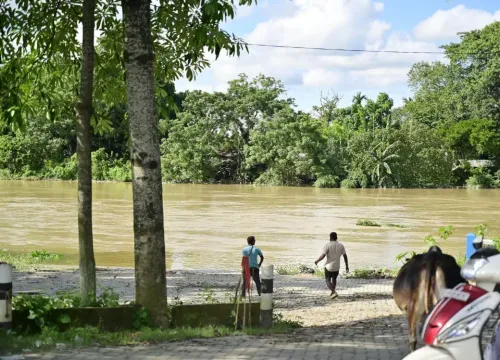
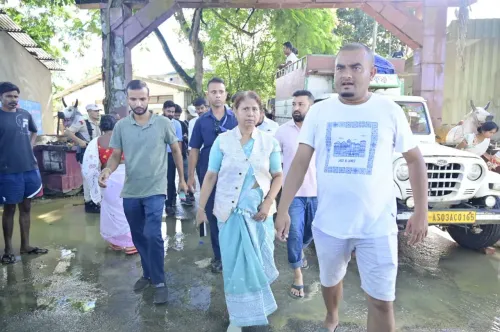
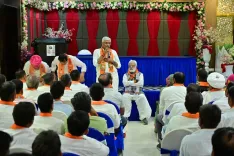
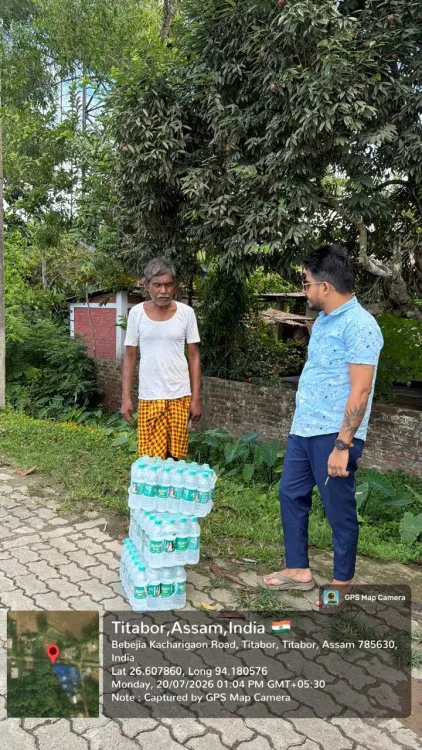
The post was accompanied by four images , indicating on-ground documentation of the flood response.
Assam faces annual monsoon flooding from the Brahmaputra river and its tributaries, affecting lives, crops, and infrastructure each year.
The Brahmaputra Board , set up in 1980 , remains the nodal body for long-term flood-control planning in the valley.
Assam Chief Minister Himanta Biswa Sarma on Monday, 20 July 2026, posted on X to affirm that Jorhat district administration and other district administrations across the state are actively managing the ongoing flood situation, calling on citizens to extend their full cooperation for effective relief operations.
In his post in Assamese, the Chief Minister stated: 'যোৰহাট জিলা প্ৰশাসনৰ লগতে আমাৰ অন্যান্য জিলা প্রশাসনসমূহে সক্রিয়তাৰে বান পৰিস্থিতিৰ সৈতে মোকাবিলা কৰাৰ দিশত দায়িত্ব পালন কৰি আছে।' — translated: 'The Jorhat district administration, along with our other district administrations, is actively discharging its responsibilities in dealing with the flood situation.' He added that 'only the complete cooperation of everyone will help us recover from this situation.'
Context
Assam endures annual monsoon flooding driven by the Brahmaputra river and its tributaries, which inundate large swathes of the state every year, displacing communities, damaging crops, and destroying infrastructure. Jorhat, an upper Assam district, is among the areas regularly affected by Brahmaputra overflows during the peak monsoon months of June through September. The Chief Minister's post, accompanied by four images, signals the administration's effort to publicly communicate its on-ground response.
Policy Backdrop
Flood management in Assam has historically rested on district-level machinery for immediate relief — including evacuation, shelter, and food distribution — while the state government coordinates with central agencies for resources and personnel. The Brahmaputra Board, constituted in 1980, was tasked with planning and coordinating flood-control infrastructure across the Brahmaputra valley, though long-term solutions such as embankment reinforcement and dredging remain ongoing concerns for successive governments. Successive administrations have repeatedly sought central assistance and National Disaster Response Force (NDRF) deployments during severe flood episodes.
Stakeholders and Impact
Flood-affected residents across multiple districts are the most immediate stakeholders, dependent on district administrations for relief camps, food supplies, and safe evacuation. District-level officials bear the operational burden of coordinating rescue teams, maintaining relief camps, and reporting ground conditions to the state. CM Sarma's public appeal for 'complete cooperation' from all citizens underscores the administration's reliance on community participation alongside official machinery in managing a crisis of this scale.
What's Next
Observers will watch for formal state requests to the central government for additional relief funds and NDRF battalion deployments as the 2026 monsoon season progresses. Updates on embankment repair works, relief camp occupancy, and crop-damage assessments from affected districts are expected in the coming days. The Chief Minister's continued public communication on the flood situation indicates the administration intends to keep citizens informed through official channels as conditions evolve.
Point of View
While also placing accountability squarely on district administrations. The appeal for public cooperation is a standard but politically significant move — it builds a shared-responsibility narrative that can buffer the government against criticism if relief delivery falls short. More broadly, the post fits a pattern of Assam's BJP leadership using social media for real-time disaster communication, projecting administrative vigour during crises that have historically damaged incumbents' reputations. Whether the on-ground response matches the messaging will be tested as the monsoon season deepens.
NationPress
20 Oct 2026
Frequently Asked Questions
What did Assam CM Himanta Biswa Sarma say about the floods?
CM Himanta Biswa Sarma said on 20 July 2026 that Jorhat district administration and other district administrations across Assam are actively managing the flood situation, and urged all citizens to extend complete cooperation to help the state recover.
Which districts in Assam are affected by floods in 2026?
CM Sarma's post references Jorhat specifically and mentions multiple other district administrations, indicating the flood situation is spread across several districts in Assam during the 2026 monsoon season.
Why does Assam flood every year?
Assam floods annually due to heavy monsoon rainfall and overflow of the Brahmaputra river and its tributaries. The Brahmaputra is one of the world's largest rivers by discharge and its floodplains cover much of the state.
What is the Brahmaputra Board and what does it do?
The Brahmaputra Board was constituted in 1980 to plan and coordinate flood-control infrastructure, including embankments and dredging projects, across the Brahmaputra valley in northeast India.
What relief measures does Assam government take during floods?
Assam district administrations typically coordinate evacuations, operate relief camps, distribute food and essentials, and work with central agencies including the National Disaster Response Force (NDRF) for rescue operations during major flood events.