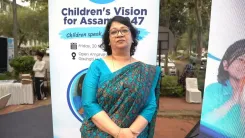
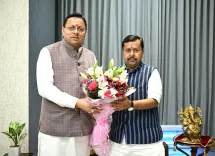
CM Himanta marks World Children's Day with Viksit Assam youth dialogue
Synopsis
On World Children's Day 2026, Assam Chief Minister Himanta Biswa Sarma and UNICEF India convened children from across the state to discuss their vision for a developed Assam, reinforcing the state's child-welfare commitments within the Viksit Bharat framework.
Key Takeaways
World Children's Day, 20 November 2026 : CM Himanta Biswa Sarma hosted a statewide youth consultation on the Viksit Assam vision.
UNICEF India partnered with the Assam government for the event, continuing a collaboration dating back to the 2000s .
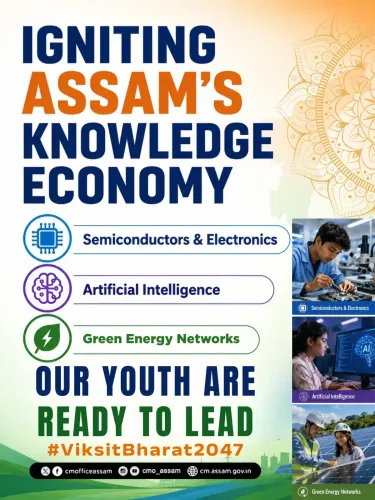
The exercise is anchored in India's Viksit Bharat 2047 development framework, positioning children as active stakeholders.
India's National Policy for Children, 2013 provides the rights-based foundation for such state-level child-welfare initiatives.
Potential follow-up includes state-level action plans or UNICEF-assisted child-protection and education schemes in Assam's upcoming budget.
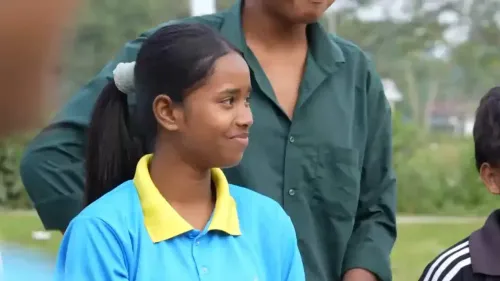
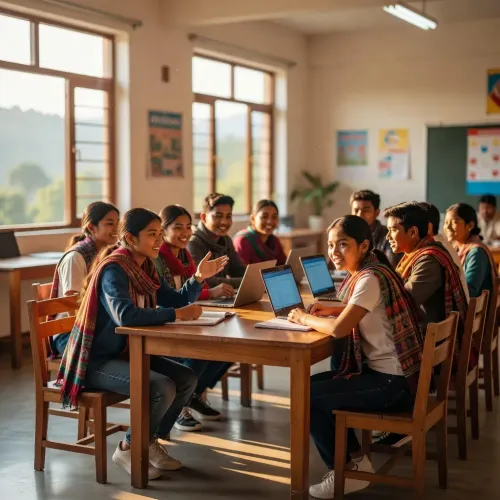
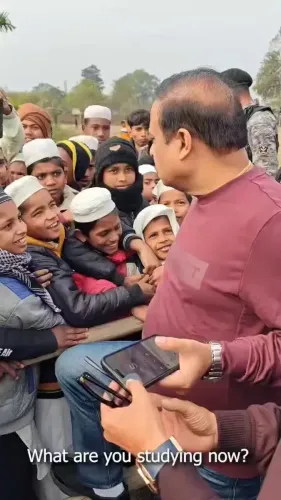
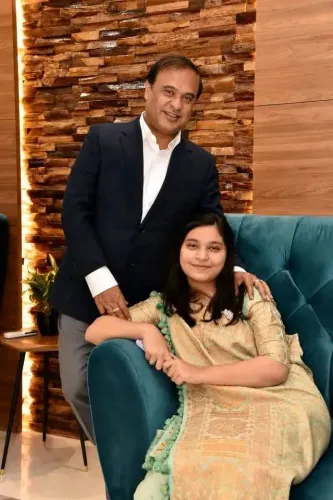
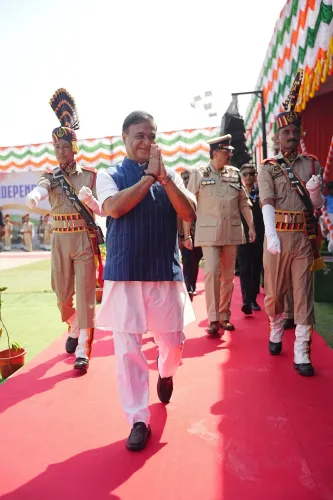
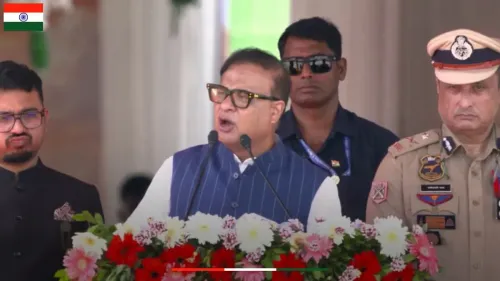
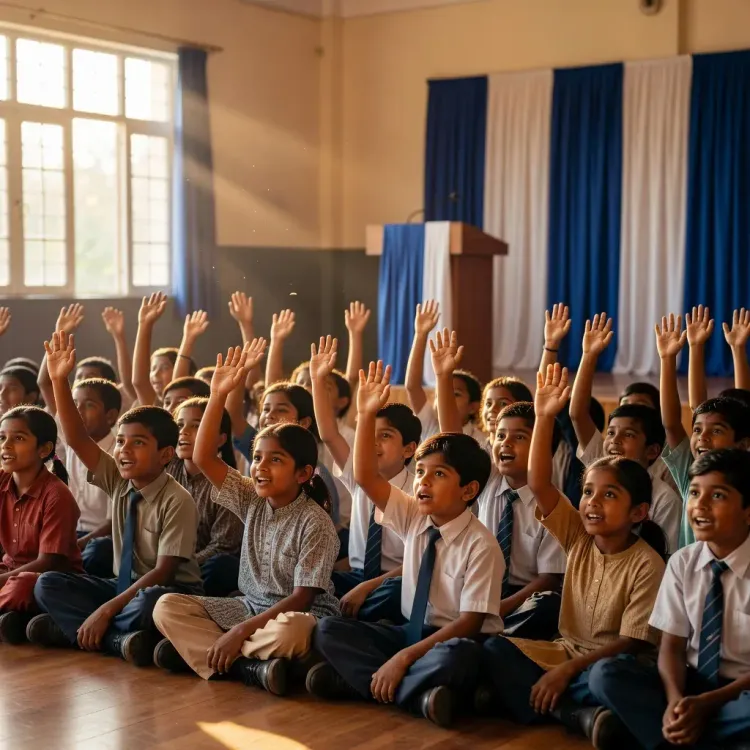
On World Children's Day, 20 November 2026, Assam Chief Minister Himanta Biswa Sarma put the state's youngest citizens at the centre of a conversation about its future — inviting children from across Assam to share their vision of a developed state under the Viksit Assam framework.
Children shape the Viksit Assam vision
The event, backed by UNICEF India, brought together young minds statewide for what the Chief Minister described as 'an interesting conversation on their vision of a Viksit Assam.' The exercise is part of Assam's alignment with the national Viksit Bharat goal — India's development blueprint targeting 2047, the centenary of independence. By channelling youth voices into that framework, the state positions its children not merely as beneficiaries of policy but as co-authors of it.
Assam's long-running UNICEF partnership
UNICEF India has worked alongside Assam on child protection, education, and health programmes since the 2000s, making today's collaboration part of a well-established institutional rhythm. India's National Policy for Children, 2013 provides the rights-based architecture that underpins such engagements — covering survival, development, and protection as non-negotiable state obligations. Assam's public reaffirmation of that commitment on a UN-designated day reinforces the policy signal without requiring fresh legislation.
What participatory governance looks like in practice
The consultative format — gathering children to articulate priorities — reflects a broader trend among BJP-governed states of weaving youth engagement into long-range development planning. Whether today's conversations translate into concrete schemes or budget allocations in the next Assam state budget is the real test. UNICEF-assisted action plans emerging from such dialogues have, in other states, fed into child-protection funding decisions and education-sector targets worth hundreds of crores.
Sarma's World Children's Day message is a reminder that the race to a Viksit Bharat will only be won if the generation inheriting it has had a say in building it.
Point of View
It will mark a meaningful step beyond ceremonial engagement.
NationPress
20 Nov 2026
Frequently Asked Questions
What is World Children's Day and why does India observe it?
World Children's Day falls on 20 November each year, marking the anniversary of the UN Convention on the Rights of the Child. Indian states use the occasion to announce or reaffirm child-welfare commitments and partner with UNICEF on awareness programmes.
What is Viksit Assam?
' Viksit Assam ' is the state-level vision aligned with the central government's Viksit Bharat 2047 goal of making India a fully developed nation by its centenary of independence. It seeks to integrate youth and citizen input into Assam's long-term development planning.
What is UNICEF India's role in Assam?
UNICEF India has partnered with Assam since the 2000s on programmes covering child protection, education, and health, often co-designing state action plans with the government under India's rights-based child-welfare framework.
What policy framework governs child welfare in India?
The National Policy for Children, 2013 provides India's rights-based architecture for child survival, development and protection, forming the statutory backbone for state-level initiatives like Assam's UNICEF-supported programmes.
What happens after such youth consultations in Indian states?
In other BJP-governed states, similar participatory exercises have informed child-protection funding decisions and education-sector targets in state budgets. For Assam, the key signal to watch is whether today's dialogue produces concrete schemes or allocations in the next budget.