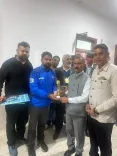
CM Himanta Orders Advanced Care for Injured Elephant Calf in Assam
Synopsis
An injured elephant calf in Assam is receiving advanced medical treatment after Chief Minister Dr. Himanta Biswa Sarma personally intervened. The CMO confirmed the development on November 20, 2026, underscoring the state's high-level attention to wildlife rescue amid ongoing human-elephant conflict challenges.
Key Takeaways
An injured elephant calf in Assam is undergoing advanced medical treatment following direct intervention by Chief Minister Dr.
Himanta Biswa Sarma .
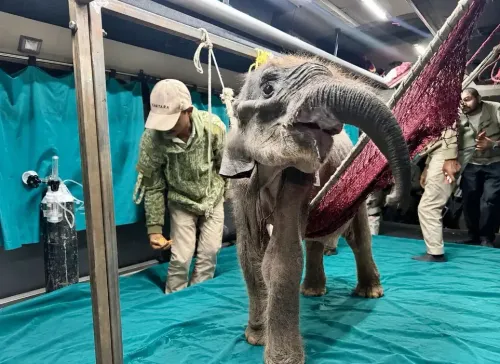
The Chief Minister's Office of Assam confirmed and publicised the rescue on November 20, 2026 , sharing images of the calf receiving care.
Assam hosts one of India's largest Asian elephant populations and faces recurring human-elephant conflict, making timely wildlife rescue a persistent challenge.
Asian elephants are listed under Schedule I of India's Wildlife Protection Act, affording them the highest level of legal protection.
The specific location, injury type, and timeline of the incident have not been officially detailed by the government.
Wildlife veterinarians and forest department personnel are involved in the calf's ongoing care and recovery.
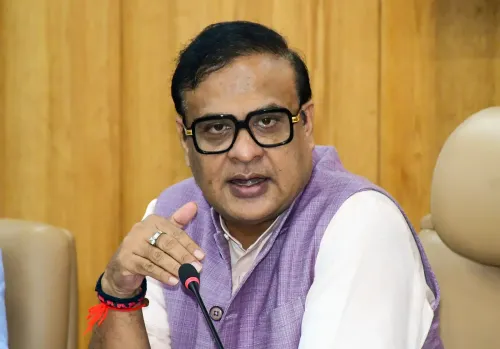
An injured elephant calf is receiving advanced medical treatment in Assam after Chief Minister Dr. Himanta Biswa Sarma personally intervened to ensure the animal got the care it needed — a rare instance of a sitting chief minister stepping in directly for a wildlife rescue.
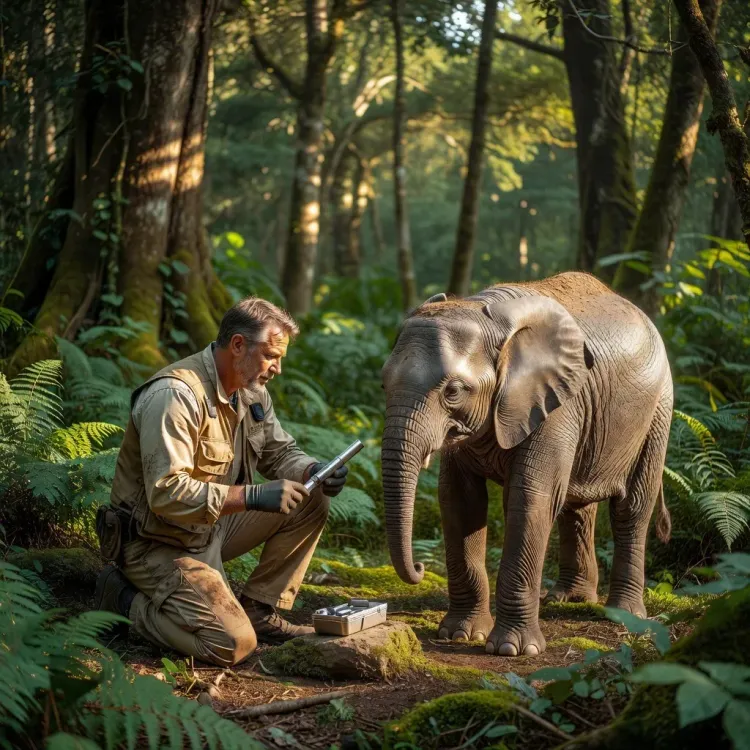
The Chief Minister's Office of Assam confirmed the development on Friday, November 20, 2026, sharing images of the calf undergoing treatment. The post stated that the calf is receiving 'advanced medical treatment following CM Dr. Himanta Biswa Sarma's personal intervention,' signalling that the rescue was elevated to the highest level of the state administration.
A State on the Frontline of Human-Elephant Conflict
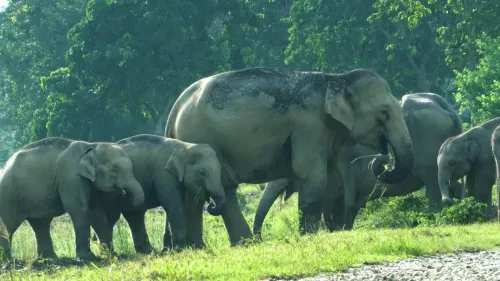
Assam is home to one of India's most significant populations of Asian elephants — a Schedule I species protected under the Wildlife Protection Act. The state's dense forest corridors and expanding agricultural settlements create a persistent flashpoint: elephant herds regularly move through human habitation, and calves separated from their herds, or injured during conflict incidents, have historically struggled to receive timely veterinary attention. The state maintains several designated elephant reserves, and its forest department operates rescue units, but cases requiring specialised intervention are not uncommon. When a chief minister directly engages in an individual wildlife rescue, it fast-tracks coordination between forest officials, wildlife veterinarians, and emergency logistics — compressing a process that might otherwise take days into hours.Why High-Level Visibility Matters for Wildlife Rescue
State governments across India have increasingly used high-profile wildlife rescues as a signal of commitment to biodiversity protection. For Assam in particular, where human-elephant conflict has claimed lives on both sides, public visibility around animal welfare carries both conservation and political weight. Dr. Sarma, who has served as Chief Minister since May 2021, has periodically highlighted wildlife and environmental issues as part of the state's governance agenda. The elephant calf's prognosis and the specific nature of its injuries have not been officially detailed. What is clear is that advanced veterinary resources are now deployed — and that is the first, most critical variable in whether a young elephant survives a serious injury. Watch this space: the calf's recovery trajectory, and any state announcement on strengthening wildlife veterinary infrastructure or conflict mitigation corridors, will tell the fuller story of whether this intervention marks a one-off gesture or the opening move of a more systemic push.Point of View
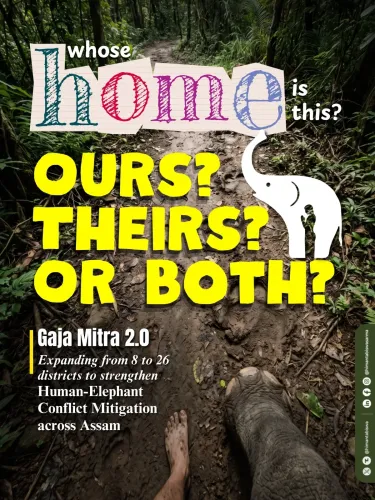
Where human-elephant conflict is a live and lethal issue, Dr. Sarma's visible intervention serves a dual purpose: it mobilises state machinery faster than routine channels would allow, and it reinforces a narrative of proactive leadership on biodiversity. The broader question is whether such interventions translate into systemic upgrades — expanded veterinary capacity, faster conflict-response protocols, better-funded elephant corridors — or remain compelling but isolated moments. The answer will shape how Assam's wildlife governance record is ultimately judged.
NationPress
20 Nov 2026
Frequently Asked Questions
Why did Assam CM Himanta Biswa Sarma intervene for an injured elephant calf?
The Chief Minister's Office of Assam stated that CM Dr. Himanta Biswa Sarma personally intervened to ensure the injured elephant calf received advanced medical treatment, though specific details of the incident have not been officially disclosed.
Where was the injured elephant calf found in Assam?
The specific location of the rescue has not been officially confirmed by the Assam government as of November 20, 2026.
What is the status of elephant conservation in Assam?
Assam is one of India's most important states for Asian elephant conservation, housing significant elephant populations across several designated reserves, though the state also faces frequent human-elephant conflict incidents.
Are Asian elephants protected in India?
Yes, Asian elephants are listed under Schedule I of India's Wildlife Protection Act, giving them the highest level of legal protection in the country.
What happens when a wild elephant calf is injured in Assam?
Injured elephant calves typically come under the care of Assam's forest department and wildlife veterinarians; high-level administrative intervention, as in this case, can fast-track access to specialised medical resources.