CM Himanta's STF seizes elephant ivory in Tamulpur bust
Synopsis
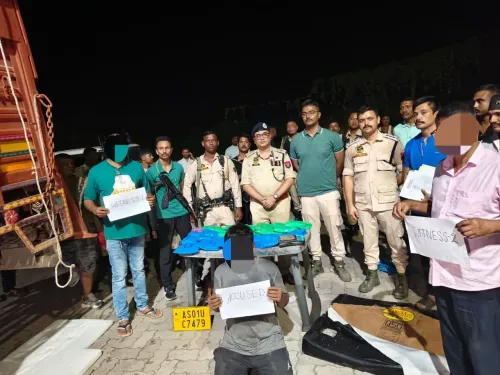
Assam's Special Task Force arrested two persons in Tamulpur and seized two elephant ivory tusks weighing 4 kg, Chief Minister Himanta Biswa Sarma announced on 8 August 2026, reaffirming a zero-tolerance stance on wildlife trafficking under the Wildlife (Protection) Act, 1972.
Key Takeaways
STFAssam apprehended two persons in Tamulpur district, Assam on 8 August 2026 .
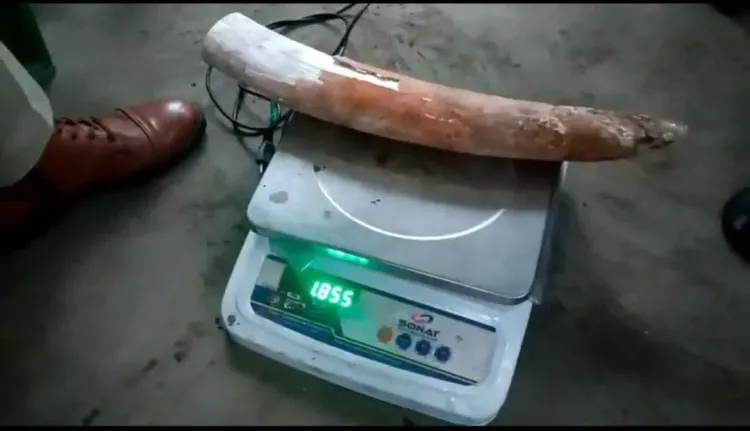
Two elephant ivory tusks with a combined weight of 4 kg were seized in the operation.
Trade in elephant ivory is banned under the Wildlife (Protection) Act, 1972 and India's CITES obligations.
Tamulpur , along the Bhutan foothills, has been identified as a transit corridor for wildlife contraband in Northeast India.
Chief Minister Himanta Biswa Sarma has consistently used STF operations to signal statewide zero-tolerance enforcement on poaching and trafficking.
Court proceedings and convictions from this case will determine whether enforcement translates into lasting deterrence.
Two elephant ivory tusks weighing 4 kg are off the black market — and two suspects are in custody — after Assam Chief Minister Himanta Biswa Sarma's Special Task Force moved against a wildlife trafficking operation in Tamulpur district on 8 August 2026.
The Tamulpur seizure: what STF recovered
The Special Task Force of Assam (STFAssam) apprehended two persons in Tamulpur and seized the ivory tusks in what the Chief Minister described as a zero-tolerance enforcement action. Ivory from elephants is strictly banned under the Wildlife (Protection) Act, 1972, which prohibits trade in all elephant parts across India. Sarma was unambiguous: 'Illegal wildlife trafficking will face the full force of law.'
Assam's elephant country — and why it's a trafficking flashpoint
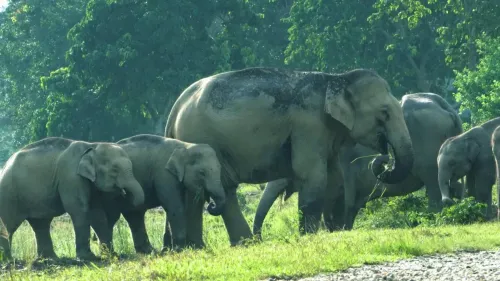
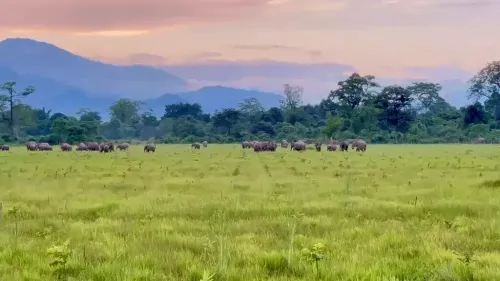
Assam is home to one of India's largest wild elephant populations, concentrated across protected reserves in the Brahmaputra valley. That ecological richness makes it a persistent target for poachers feeding both domestic and cross-border smuggling networks. Tamulpur, a district carved out of the former Baksa district along the Bhutan foothills, sits on terrain that has historically served as a transit corridor for wildlife contraband moving between Northeast India and neighbouring countries.
India's obligations under CITES — the Convention on International Trade in Endangered Species — place a hard ban on commercial ivory trade, and successive Assam governments have deployed the STF as a frontline enforcement instrument to honour those commitments at the ground level.
A pattern of STF pressure on trafficking networks
The Tamulpur bust is not an isolated event. STFAssam has run a sustained campaign against poaching and parts-trafficking networks that target both elephants and one-horned rhinos — Assam's two most iconic and most endangered large mammals. Enforcement actions have repeatedly disrupted local syndicates with links to longer supply chains. Chief Minister Sarma's public messaging after each operation follows a deliberate pattern: name the agency, name the location, name the seizure, and signal that the state is watching every district.
Court proceedings and any convictions arising from this Tamulpur case will be the next test of whether the enforcement chain holds beyond the arrest stage.
Point of View
And sustained STF operations are the state's primary answer to that scrutiny. The real test, however, lies downstream — in prosecutions and convictions, not just arrests. Without a strong conviction rate, even frequent seizures risk becoming performative rather than structural deterrents.
NationPress
23 Sept 2026
Frequently Asked Questions
What did Assam STF seize in Tamulpur in August 2026?
STFAssam seized two elephant ivory tusks weighing a combined 4 kg and arrested two persons in Tamulpur district, Assam, as announced by Chief Minister Himanta Biswa Sarma on 8 August 2026.
Is elephant ivory trade legal in India?
No. Trade in elephant ivory is strictly prohibited under the Wildlife (Protection) Act, 1972, and India is also bound by the CITES international ban on commercial ivory trade.
What is STFAssam and what does it do?
STFAssam is the Special Task Force of Assam, a dedicated enforcement unit that carries out operations against serious crimes including wildlife trafficking, poaching, and organised criminal networks in the state.
Why is Tamulpur a hotspot for wildlife trafficking?
Tamulpur district lies along the Bhutan foothills in western Assam and has historically served as a transit corridor for wildlife contraband moving between Northeast India and neighbouring countries.
What happens to those arrested for ivory trafficking in India?
Those arrested for ivory trafficking face prosecution under the Wildlife (Protection) Act, 1972, which provides for imprisonment and fines. Convictions depend on court proceedings following the arrest and seizure.