Assam has India's 2nd largest elephant population: CM Himanta Biswa Sarma

Synopsis
Assam's 5,800-plus elephants make it India's second-largest elephant habitat — a fact Chief Minister Himanta Biswa Sarma highlighted with a cultural flourish, invoking the Kamakhya temple. Behind the pride, however, lies a persistent challenge: human-elephant conflict that continues to test communities living at the forest edge.
Key Takeaways
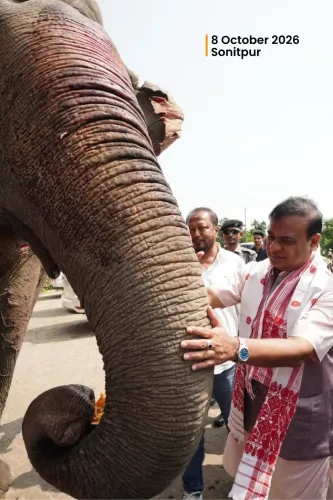
Assam CM Himanta Biswa Sarma confirmed on 8 October 2026 that Assam has India's second-largest elephant population .
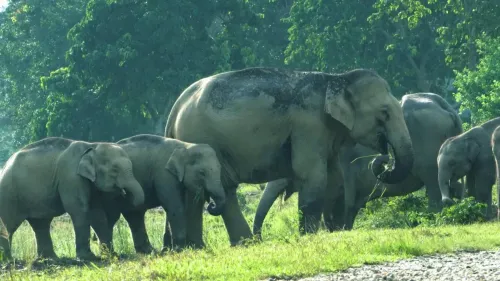
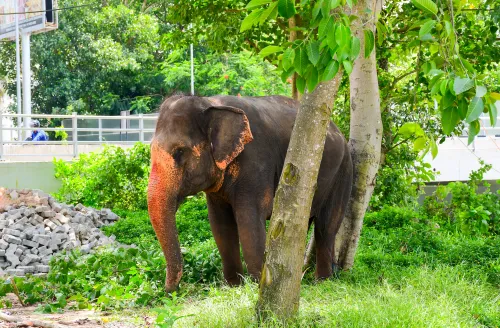
The state is home to more than 5,800 Asian elephants across its forests and protected areas.
Sarma linked the elephant population to Assam's cultural identity, invoking the Kamakhya temple and Lord Ganesha.
Human-elephant conflict remains a significant challenge in Assam, affecting crops, property, and lives in forest-fringe communities.
Assam accounts for nearly one-fifth of India's estimated 30,000 elephants, underscoring its national conservation importance.
Conservation efforts focus on protecting forest corridors , deploying early-warning systems, and supporting affected communities.
Assam Chief Minister Himanta Biswa Sarma on Thursday, 8 October 2026, confirmed that Assam is home to the second-largest elephant population in India, with more than 5,800 Asian elephants inhabiting its forests. The announcement, made via a post on social media platform X, drew attention to the state's status as a critical wildlife habitat and its enduring cultural connection with elephants.
Scale of the Population
With over 5,800 elephants roaming its forests and protected areas, Assam trails only one other Indian state in elephant numbers. Chief Minister Sarma described the presence of such a large population as a point of pride, noting that the animals inhabit a landscape defined by extensive forest cover, biodiversity corridors, and nationally significant ecosystems.
Asian elephants are a Schedule I protected species under the Wildlife Protection Act and are classified as Endangered on the IUCN Red List, making Assam's population ecologically significant well beyond state borders.
Cultural and Spiritual Significance
Sarma also drew a symbolic connection between the elephant population and Assam's spiritual identity. 'Where Mother Kamakhya resides, it is only natural for Lord Gajanana to be present as well,' the Chief Minister said, invoking the revered Kamakhya temple in Guwahati and Lord Ganesha's elephant-headed form. The remark underscored how wildlife conservation in Assam is intertwined with cultural heritage, lending political and popular resonance to conservation messaging.
Ecological Role and Conservation Challenges
Elephants are considered keystone species — their movement patterns influence seed dispersal and forest regeneration, shaping entire ecosystems. Assam's forest corridors, particularly those linking protected areas in the Brahmaputra Valley, are vital to maintaining genetically diverse elephant herds.
However, the same proximity of elephants to human settlements has made human-elephant conflict a persistent concern across several districts of Assam. Periodic incidents of crop damage, property destruction, and loss of human and elephant lives have prompted ongoing policy attention. Conservation efforts in the state have focused on reinforcing wildlife corridors, deploying early-warning systems for affected communities, and rehabilitating degraded forest patches.
Broader Conservation Context
Assam's elephant figures come at a time when India is intensifying its focus on wildlife protection under the Project Elephant initiative, which was launched in 1992 to protect the country's elephant habitats and mitigate human-elephant conflict. According to the most recent national census data, India's overall elephant population stands at roughly 30,000, making Assam's share of nearly one-fifth particularly significant.
The Assam government has also been actively promoting its natural heritage as part of a broader push to strengthen ecotourism and conservation-linked livelihoods for forest-fringe communities. As the state balances ecological imperatives with the livelihood needs of people living near forests, Chief Minister Sarma's remarks signal that wildlife conservation will remain a visible part of the administration's public communication.
Point of View
800-elephant figure also carries an uncomfortable shadow: Assam's human-elephant conflict ranks among the most acute in India, with scores of lives and livelihoods lost annually. Celebrating the population milestone without equal emphasis on conflict mitigation and corridor protection risks reducing a complex conservation story to a headline number. The real test for Assam's elephant policy is not the census count but whether forest corridors remain intact and whether affected communities receive meaningful, timely support.
NationPress
9 Oct 2026
Frequently Asked Questions
Which state has the largest elephant population in India?
According to Chief Minister Himanta Biswa Sarma's statement, Assam ranks second in India for elephant population with over 5,800 elephants. The state with the largest population was not named in his remarks, but Karnataka has historically led national elephant census figures.
How many elephants are there in Assam?
Assam has more than 5,800 elephants, as confirmed by Chief Minister Himanta Biswa Sarma on 8 October 2026. The animals inhabit the state's forests and protected areas, forming a critical part of India's Asian elephant conservation landscape.
What is the human-elephant conflict situation in Assam?
Human-elephant conflict is a longstanding challenge in Assam, where elephants living near human settlements periodically cause crop damage, property destruction, and loss of lives. Conservation efforts focus on maintaining forest corridors, early-warning systems, and community engagement to reduce such incidents.
Why is Assam's elephant population ecologically important?
Elephants are keystone species that support forest regeneration through seed dispersal and habitat modification. With over 5,800 animals, Assam holds nearly one-fifth of India's estimated 30,000 elephants, making its forest corridors vital to the long-term health of the country's Asian elephant population.
What is Project Elephant and how does it relate to Assam?
Project Elephant is a central government initiative launched in 1992 to protect elephant habitats, maintain wildlife corridors, and mitigate human-elephant conflict across India. Assam is one of the programme's key focus states given its large elephant population and the conflict challenges faced by communities living near forest areas.