Tejashwi Yadav Blasts Bihar Police, CM Over Law-and-Order Crisis
Synopsis
RJD leader Tejashwi Yadav launched a sharp attack on the Bihar government on 7 November 2026, alleging police are shooting civilians at home, criminals are shooting police, and the Chief Minister is ordering caste-selective encounters to distract from a worsening law-and-order crisis.
Key Takeaways
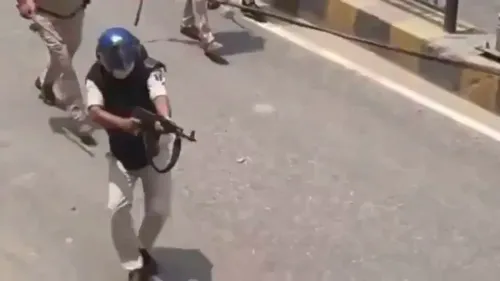
Tejashwi Yadav posted on 7 November 2026 accusing Bihar Police of entering homes and shooting ordinary citizens.
He alleged that criminals are simultaneously shooting at police, pointing to a two-sided breakdown of public order.
He framed encounters targeting a 'specific caste' as a deliberate political diversionary tactic by the state government.
He described the Bihar Chief Minister as having a 'murder-accused, criminally-minded' background — a direct personal attack on the incumbent.
The specific incidents cited in the post are unverified; the broader pattern of opposition allegations on encounters in Bihar is long-established.
No official response from the Bihar government or state police had been issued at the time of publication.
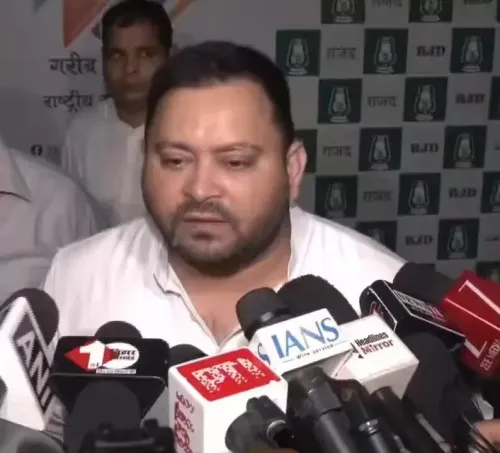
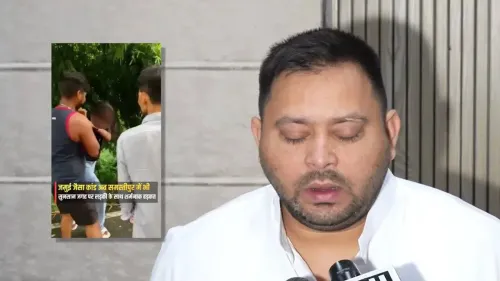
A scathing political salvo landed on Bihar's ruling establishment on Saturday, 7 November 2026, as RJD leader and Leader of the Opposition Tejashwi Yadav accused the state police of shooting civilians inside their homes — and charged that a 'criminally-minded Chief Minister' was using caste-targeted encounters to deflect from a spiralling law-and-order collapse.
The accusation: police shooting civilians, criminals shooting police
Tejashwi posted in Hindi, quoting what he described as an official advisory — 'Apni jaan ki zimmewaari janata khud hogi.. CM lagwa dein har jagah board' ('The public will itself be responsible for its own life — the CM should put up boards everywhere') — framing it as a chilling admission of state failure. His central charge was blunt: Bihar Police is entering homes and shooting ordinary people, while armed criminals are, in turn, shooting at the police. 'Horrifying conditions in Bihar after a murder-accused, criminally-minded person became Chief Minister,' he wrote.
The sharpest line in the post was a structural political argument: when an 'unaccountable police force and a criminal Chief Minister are cornered on rampant crime,' Tejashwi alleged, they resort to encounters targeting people of a 'specific caste' as a diversionary tactic. The claim directly invokes Bihar's most electrically charged political fault line — caste — and frames police violence as a tool of political survival rather than law enforcement.
Bihar's long shadow: encounters, caste, and opposition politics
Bihar has a documented history — stretching across multiple governments since the early 2000s — of opposition parties accusing the ruling coalition of deploying police encounters for political cover. The Rashtriya Janata Dal, founded by Lalu Prasad Yadav, has consistently positioned itself as the voice of marginalised caste communities in the state, making allegations of caste-selective policing a recurring and resonant pillar of its opposition strategy.
The post does not name the specific incidents it references, and the precise encounters or home-shooting cases cited cannot be independently verified from available information. What is verifiable is the political pattern: Tejashwi, as Leader of the Opposition in the Bihar Legislative Assembly, has made law-and-order accountability a central plank of his opposition platform, and posts of this intensity typically precede or accompany formal demands for assembly debates, adjournment motions, or public protests.
What the Bihar government and police have yet to say
As of the time of publication, no official response from the Bihar government or the state police department had been issued in reply to Tejashwi's allegations. The ruling coalition's counter-narrative — when it comes — will likely focus on crime-rate data, encounter justifications, or procedural compliance. Whether these specific charges surface during the next sitting of the Bihar Legislative Assembly will be a key indicator of how seriously the opposition intends to press them.
Bihar's voters, particularly those from communities historically targeted in police actions, will be watching whether this post is the opening move of a sustained campaign — or a single political salvo into an election-season wind.
Point of View
Criminal impunity, and caste targeting into a single indictment of the ruling government. By quoting a purported official advisory that blames citizens for their own safety, he reframes the law-and-order debate as one of state abdication rather than individual crime. The caste-encounter angle is politically potent in Bihar, where such allegations have historically mobilised voter blocs. The real test is whether this translates into a structured assembly offensive or remains rhetorical pressure ahead of an electoral cycle.
NationPress
7 Nov 2026
Frequently Asked Questions
What did Tejashwi Yadav say about Bihar Police in November 2026?
Tejashwi Yadav alleged on 7 November 2026 that Bihar Police is shooting ordinary people inside their homes, while criminals are shooting at the police — indicating a complete breakdown of law and order in the state.
Why did Tejashwi Yadav accuse Bihar of caste-targeted encounters?
He alleged that when the Bihar Chief Minister and police face criticism for rampant crime, they order encounters targeting people of a specific caste community as a diversionary tactic to shift public attention.
What is Tejashwi Yadav's role in Bihar politics?
Tejashwi Yadav is the Leader of the Opposition in the Bihar Legislative Assembly and a senior leader of the Rashtriya Janata Dal, the party founded by his father Lalu Prasad Yadav.
Has the Bihar government responded to Tejashwi's law-and-order allegations?
As of the time of publication on 7 November 2026, no official response from the Bihar government or state police department had been issued regarding these specific allegations.
Is this the first time Bihar's opposition has raised encounter-related caste allegations?
No. Bihar opposition parties have periodically raised allegations linking police encounters to caste targeting and political distraction across multiple governments since the early 2000s, making it a recurring fault line in state politics.